


 MediaTek Unveils 2nm Dimensity 9600 Pro AI Chip
  Burnham Eyes UK Leadership Role in AI Ahead of Trump Meeting
  DOJ Will Investigate AI-Related Crimes, Attorney General Blanche Says
  Japan, U.S. Discuss $19 Billion GlobalFoundries Chip Plant
  Rosenblatt Starts Nokia at Buy on AI Networking Growth
  Physicists zoom into the birth of cosmic rainstorms with new CERN study
  Europe can’t achieve space sovereignty alone. Here’s why
  Westinghouse Targets $50 Billion Valuation in U.S. IPO
  Cathie Wood Backs AI Slowdown as Safety Concerns Grow
  Nvidia CEO Jensen Huang Expected at Trump-Xi State Dinner
  Apple Pay Set for India Launch With Axis Bank
  OpenAI Urges US-Led Global Standards for Frontier AI
  AI is supercharging money scams – here’s what you can do to protect yourself
  Big AI wants to slow down AI research. Is it a safety pause or a strategic retreat?
  Databricks to Invest $350 Million in Singapore AI Expansion
  SpaceX Nasdaq 100 Weight to More Than Double in Rebalance
  SoftBank Shares Jump 8% as SB Energy IPO Optimism Builds


 Add as a preferred source on Google
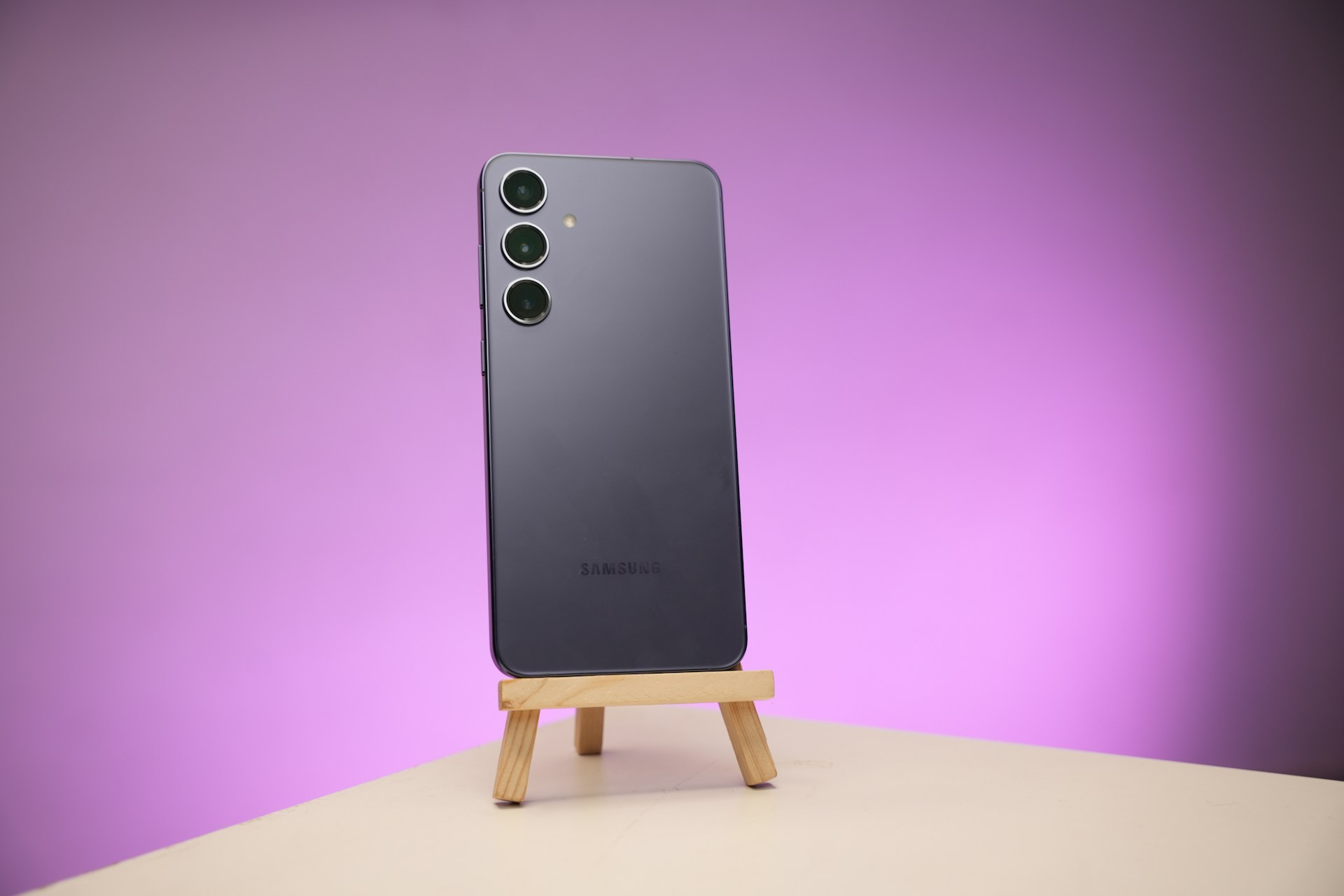
In an unexpected twist, Samsung is set to continue its dual-chip approach for the upcoming Galaxy S25 series despite rumors of a switch to an all-Exynos lineup.
A recent report counters speculation, suggesting that the tech giant will incorporate its in-house Exynos and Qualcomm's Snapdragon processors across different markets. This decision comes as Samsung further develops its Exynos chips, aiming for superior performance to rival Snapdragon’s offerings in future devices.
Samsung's Strategic Shift: Balancing Exynos and Snapdragon for Galaxy Flagships
In a recent report by Android Headlines, Samsung has long used Exynos and Snapdragon processors in its flagship phones. It ships the phones with the former in most global markets, but the US, China, and a few other regions have always received the latter. The trend shifted for the better in 2023 when the Galaxy S23 series was released globally with the Snapdragon 8 Gen 2. Everyone welcomed this move because Exynos versions have historically underperformed.
However, Exynos has returned to the Galaxy S24 this year, albeit only in the smaller two models. Globally, the Galaxy S24 Ultra is powered by the Snapdragon 8 Generation 3. Despite Samsung's improvements, the Galaxy S24's Exynos 2400 still struggles to compete with the latest Snapdragon. Ideally, fans want the company to return to an all-Snapdragon strategy for the Galaxy S25 series next year. But it has different plans.
The Korean behemoth is not just developing specialized Exynos chips for its flagships; it's crafting a potential game-changer. These chips could match but potentially outperform competing Snapdragon solutions in terms of performance. A dedicated team is optimizing the chips for Samsung's phones from the ground up, with the first-generation solution set to debut in 2025. This has sparked rumors that the Galaxy S25 phones could be shipped worldwide with this custom Exynos chip, heralding a new era of Samsung's chip strategy.
Samsung's Dual Chip Strategy: A Delicate Balance Between Exynos and Snapdragon
According to DigiTimes, this may not occur. Samsung still intends to use Snapdragon processors in its 2025 flagship models. Details are scarce, but the Galaxy S25 Ultra will likely use the Snapdragon 8 Gen 4 in all markets. In some regions, the other two models will be powered by the Exynos 2500. You'll find out in time whether it's the rumored "special" Exynos chip from Samsung or the standard one.
Contrary to your expectations, Samsung is not stepping back from Exynos chips in its flagship phones. It's making a strategic shift. The company aims to increase the share of its in-house processors in Galaxy devices, potentially including the Galaxy Z Flip 6 equipped with an Exynos chip this year. This move, hinted at by a few tipsters, could mark a significant departure for Samsung, as it would be the first Samsung foldable without a Snapdragon processor. Watch for the Galaxy Z Flip 6 and Galaxy Z Fold 6, set to be released in July, to see this strategy in action.
Photo: Dhruv vishwakarma/Unsplash







