


 Jeff Bezos Eyes $100 Billion Fund to Transform Manufacturing With AI
  Nomura Upgrades PDD Holdings to Buy, Calls Stock Too Cheap to Ignore
  Reflection AI Eyes $25 Billion Valuation in Massive $2.5 Billion Funding Round
  Bank of America's $72.5M Epstein Settlement: What You Need to Know
  SMIC Allegedly Supplies Chipmaking Tools to Iran's Military, U.S. Officials Warn
  9 Tips for Avoiding Tax Season Cyber Scams
  Palantir's Maven AI Earns Pentagon "Program of Record" Status, Reshaping Military AI Strategy
  Lynas Rare Earths Signs Vietnam Deal with LS Eco Energy to Boost Magnet Metal Production
  Meta and Google just lost a landmark social media addiction case. A tech law expert explains the fallout
  NVIDIA's Feynman AI Chip May Face Redesign Amid TSMC Capacity Crunch
  Cathay Pacific Holds Firm on Flight Capacity Amid Middle East Conflict and Rising Fuel Costs
  Nanya Technology Shares Surge 10% After $2.5 Billion Private Placement from Sandisk and Cisco
  Trump White House Unveils National AI Policy Framework for Congress
  Chinese Universities with PLA Ties Found Purchasing Restricted U.S. AI Chips Through Super Micro Servers
  Eli Lilly and Insilico Medicine Forge $2.75 Billion AI-Driven Drug Discovery Deal
  Innate Pharma Reports 55% Revenue Drop and €49.2M Net Loss for 2025


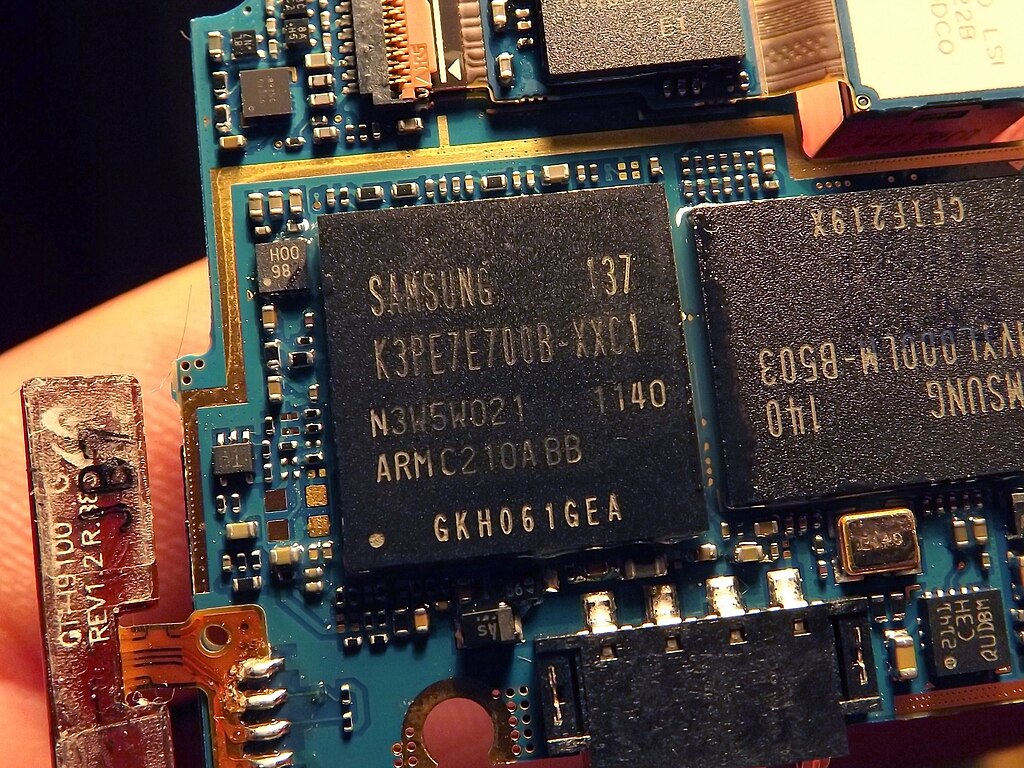
Samsung Electronics reported a better-than-expected 0.2% drop in Q1 operating profit, reaching 6.6 trillion won ($4.49 billion), beating market forecasts of 5.1 trillion won. This resilience was driven by solid memory chip sales and robust demand for its Galaxy S25 smartphones, boosted by AI features and early orders from North American buyers anticipating potential U.S. tariffs.
Analysts noted that demand for conventional and AI memory chips exceeded expectations as customers stockpiled semiconductors ahead of possible U.S. trade actions. Despite a dip in general memory prices, shipments remained strong, supported by tariff-related concerns. Samsung shares rose 2.6% following the announcement, outperforming the KOSPI’s 1.6% gain.
Samsung’s Q1 profit is nearly flat compared to 6.61 trillion won a year earlier and slightly up from 6.49 trillion won in the previous quarter. However, analysts expect a weaker Q2, with shipment declines likely as demand normalizes. Delays in acquiring clients for high-bandwidth memory (HBM) chips could also weigh on future performance.
Samsung’s foundry division, which manufactures chips for Nvidia, Qualcomm, and AMD, likely faced losses that offset some of the gains from the memory business. The company previously cited U.S. export restrictions to China—its top market—as a factor limiting AI chip sales.
While Samsung plans to begin supplying its upgraded HBM3E 12-high chips to Nvidia mid-year, executives warned of ongoing challenges and apologized in March for lagging behind in the AI chip race. The company anticipates improved performance in the second half, driven by demand from smartphones and data centers.
Samsung will release full Q1 results on April 30. Meanwhile, rivals like SK Hynix and Micron are also experiencing strong AI chip demand, although caution remains around long-term recovery trends.







