


 Meta, U.S. States Discuss Settlement in Teen Addiction Trial
  Faraday Future Delivers First Robots in Middle East, Plans September Launches
  PayPal Shares Sink as $50 Billion Takeover Bid Collapses
  U.S. Probes Apex Logistics Over Nvidia AI Chip Shipments to China
  Pinterest Stock Falls as CFO Julia Brau Donnelly Resigns
  Nvidia Revenue Soars 106% as AI Demand Hits ‘Inflection Point’
  Thomson Reuters C-Track Cyberattack Hits Courts Across U.S. and Canada
  BofA Names ASML Top Semiconductor Equipment Pick on Growth, Valuation
  US Tech Giants’ AI Bond Boom Raises Euro Zone Borrowing Risks
  SpaceX Mobile Network Could Cost Up to $130 Billion, Bernstein Says
  MediaTek Shares Jump 10% on Nvidia’s $3.5 Billion Investment
  OpenAI Data Center Chief Chris Malone Exits Ahead of Planned 2027 Listing
  Google Changes EU Spam Policy Amid Antitrust Scrutiny
  OpenAI Nears Astra AI Model Launch With Safety Focus
  Nvidia Pauses AI Cloud Financing Deals Amid Antitrust Concerns
  ByteDance Secures $29.6 Billion Loan to Boost AI Investment


 Add as a preferred source on Google
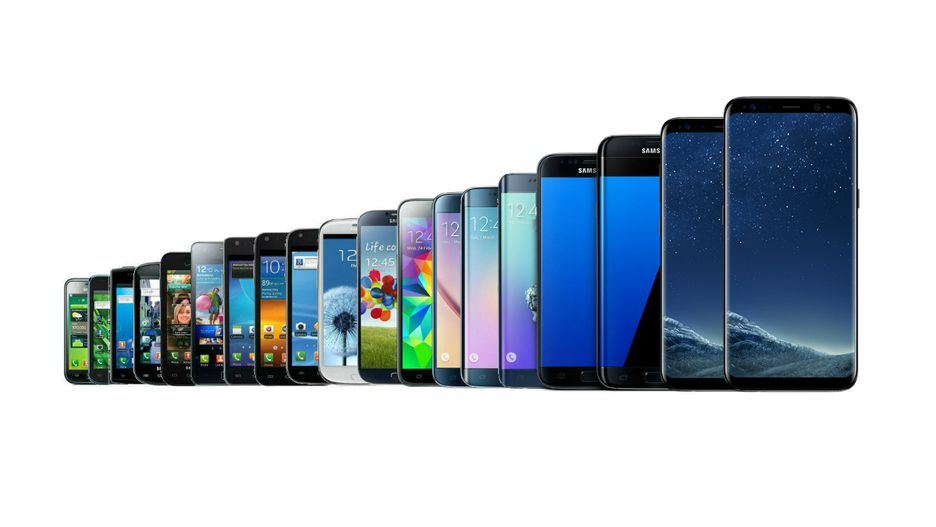
In an attempt to distance itself from what its competitors are doing, Samsung is integrating a new feature into its upcoming Samsung Galaxy S10 smartphone. While the iPhone X uses the facial recognition technology and Chinese smartphones have an optical in-display fingerprint sensor, the Galaxy S10 will be using an ultrasonic fingerprint sensor, BGR reported.
Although there have been patents filed for this technology in the past, it hasn’t really been used on a smartphone before. The company means to change that with its Samsung Galaxy S10.
The ultrasonic sensor will allow for the recognition of fingerprints using ultrasound. Samsung CEO DJ Koh said it’s using this innovation for the Samsung Galaxy S10 as optical sensing is unreliable and therefore isn’t in line with what the company stands for.
The Samsung Galaxy S10 is slated to be released in three different screen sizes, namely 5.8 inches, 6.1 inches, and 6.4 inches. Similar to its predecessor, the smallest unit will have the ultrasonic fingerprint sensor placed on its rear as opposed to previous reports that it’s going to be mounted on the side, which would’ve been somewhat awkward.
Apart from the Samsung Galaxy S10, the company will launch several more smartphones designed to be marketed to different consumers. For instance, its Samsung Galaxy F – previously thought to be the Samsung Galaxy X – is going to be the first foldable smartphone ever. It is around the high-end mark with an estimated value of $1,850, which is a staggering amount to pay for a smartphone.
Still, it’s safe to say that people will still buy the Samsung Galaxy F because of its unique display and other notable features. As for the Samsung Galaxy S10, its price has yet to be released and even rumors are not many at the moment. But if the previous model is anything to go by, its price tag is likely going to be around $719 for the regular Galaxy S10 and $840 for the Galaxy S10 Plus.







