


 Paramount-Warner Bros $110 Billion Deal Draws Antitrust Backlash
  Meta Partners With Shopify to Bring Shop Pay Checkout to Muse AI
  White House Bars CNN, MS NOW and Politico Reporters
  Trump Scales Back Endangered Species Act Protections
  Australia Plans New Rules Giving Users Control Over Social Media Feeds
  NASA, Boeing Discuss Expanding Starliner Missions
  Trump Plans Federal AI Force and AI Czar
  US Judge Dismisses Imran Ahmed Deportation Lawsuit
  Trump Grants Clemency to Jay-Z Associate Emory Jones
  Saudi Arabia Shuts East-West Oil Pipeline After Drone Attack
  US Resumes Immigrant Visa Processing for Hungary, Poland
  ICE Officer Shoots Man in Austin, Sparking Calls for Independent Probe
  AfD Wins German State Election as Merz’s CDU Hits Historic Low
  Vietnam, US Trade Deal Could Be Signed Soon, To Lam Says
  LVMH-Hermès Dispute Deepens Over Secret 2002 Share Deal
  Allegro Raises 2026 Outlook as International GMV Surges


 Add as a preferred source on Google
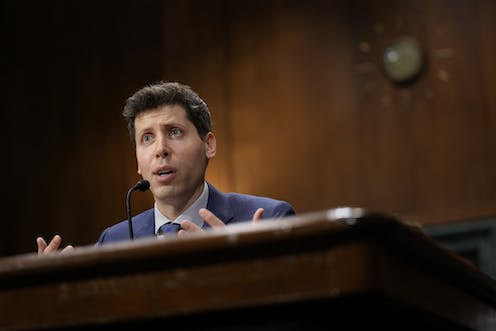
OpenAI CEO Sam Altman has voiced strong concerns over U.S. Immigration and Customs Enforcement (ICE) actions, telling employees that the agency is “going too far” amid an aggressive immigration crackdown in Minneapolis. His internal message, shared on Slack and later reported by The New York Times’ DealBook, positions Altman among a growing list of corporate executives speaking out against heavy-handed immigration enforcement under President Donald Trump’s second term.
Altman emphasized the importance of distinguishing between deporting violent criminals and the broader enforcement actions currently unfolding. He reaffirmed his support for American democratic values, stating that part of loving the United States is pushing back against government overreach. His remarks come during a period of heightened tension following the fatal shooting of a protester by federal agents in Minneapolis over the weekend, marking the second such incident this month and intensifying public backlash against ICE.
The Minneapolis enforcement effort, known as “Operation Metro Surge,” began in December and has drawn criticism for its impact on the city, a liberal Midwestern hub with a strong corporate presence. Until recently, many major Minnesota-based companies remained silent. However, following the latest shooting, executives from firms such as 3M, UnitedHealth Group, and General Mills have publicly called for de-escalation and calmer approaches to immigration enforcement.
Corporate pressure has also increased nationwide. More than 60 CEOs have signed a statement urging restraint, while over 450 employees from companies including Google, Meta, Salesforce, and OpenAI signed a letter demanding that ICE withdraw from U.S. cities, cancel federal contracts, and address alleged violence linked to enforcement actions. This employee-led activism highlights growing internal resistance within the tech and corporate sectors.
Altman’s comments also intersect with tensions at Khosla Ventures, an early OpenAI backer, where leadership distanced itself from controversial remarks made by partner Keith Rabois regarding law enforcement and undocumented immigrants. Despite the political sensitivity, Altman expressed hope that President Trump would work to unite the country, rebuild trust, and support transparent investigations. His stance underscores a broader shift as business leaders increasingly engage in national immigration and human rights debates.







