


 American Airlines CEO to Meet Pilots Union Amid Storm Response and Financial Concerns
  Alphabet’s Massive AI Spending Surge Signals Confidence in Google’s Growth Engine
  Weight-Loss Drug Ads Take Over the Super Bowl as Pharma Embraces Direct-to-Consumer Marketing
  Toyota’s Surprise CEO Change Signals Strategic Shift Amid Global Auto Turmoil
  FDA Targets Hims & Hers Over $49 Weight-Loss Pill, Raising Legal and Safety Concerns
  Once Upon a Farm Raises Nearly $198 Million in IPO, Valued at Over $724 Million
  CK Hutchison Launches Arbitration After Panama Court Revokes Canal Port Licences
  Ford and Geely Explore Strategic Manufacturing Partnership in Europe
  TSMC Eyes 3nm Chip Production in Japan with $17 Billion Kumamoto Investment
  Nvidia CEO Jensen Huang Says AI Investment Boom Is Just Beginning as NVDA Shares Surge
  SpaceX Pushes for Early Stock Index Inclusion Ahead of Potential Record-Breaking IPO
  Uber Ordered to Pay $8.5 Million in Bellwether Sexual Assault Lawsuit
  Missouri Judge Dismisses Lawsuit Challenging Starbucks’ Diversity and Inclusion Policies
  Nvidia, ByteDance, and the U.S.-China AI Chip Standoff Over H200 Exports
  SoftBank Shares Slide After Arm Earnings Miss Fuels Tech Stock Sell-Off
  Prudential Financial Reports Higher Q4 Profit on Strong Underwriting and Investment Gains
  SpaceX Prioritizes Moon Mission Before Mars as Starship Development Accelerates


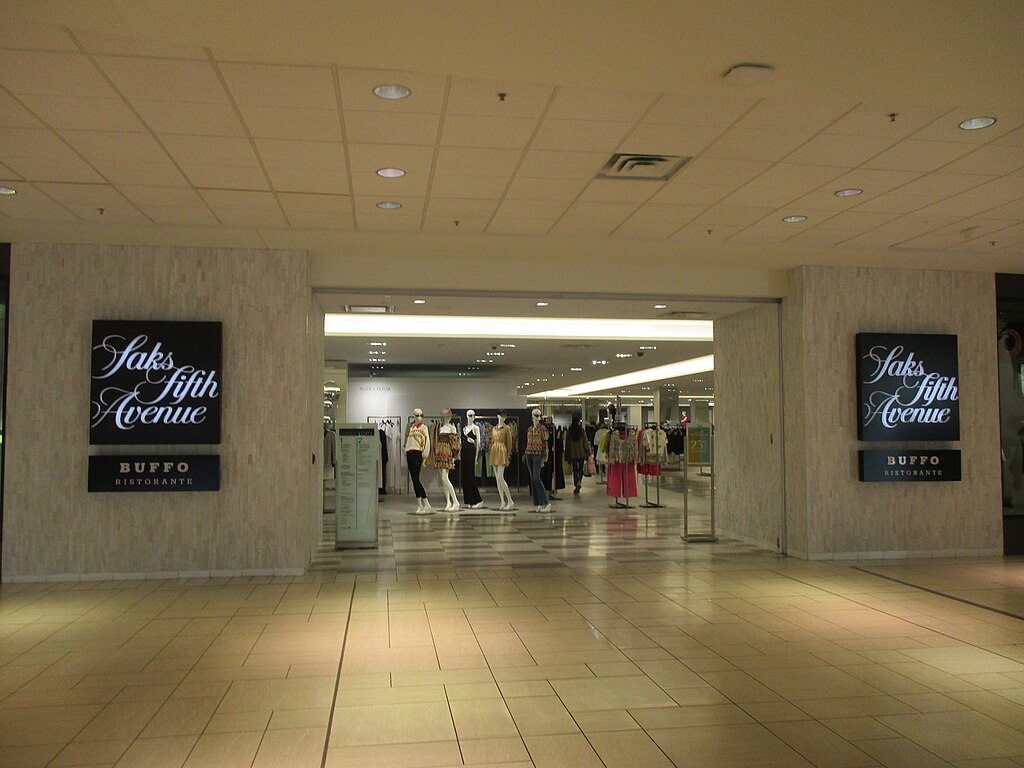
Saks Global, the parent company of luxury department store brands including Saks Fifth Avenue and Neiman Marcus, is reportedly considering Chapter 11 bankruptcy as a last-resort option as it faces mounting financial pressure. According to a Bloomberg News report citing people familiar with the situation, the company has limited options ahead of a debt payment exceeding $100 million due by the end of this month.
The luxury retail group is actively exploring multiple strategies to boost liquidity, including raising emergency financing and selling assets. A spokesperson for Saks Global confirmed that the company is evaluating all potential paths to ensure long-term stability, underscoring the seriousness of the situation without confirming a bankruptcy filing.
Recent discussions among Saks Global lenders have focused on assessing the company’s cash needs, with particular attention on the possibility of a debtor-in-possession loan. This type of financing is commonly used during Chapter 11 bankruptcy proceedings to allow companies to continue operations while restructuring debt. These talks have reportedly been held on a confidential basis, highlighting lender concerns about near-term liquidity.
Saks Global has also been working to reduce its debt load through asset sales. In September, a company spokesperson told Reuters that Saks was considering selling a minority stake in Bergdorf Goodman, its iconic luxury retailer, as part of efforts to strengthen its balance sheet.
The company’s challenges are unfolding amid broader weakness in the U.S. luxury retail market. Persistent inflation, a softer labor market, and cautious consumer spending have weighed on demand for non-essential and high-end goods, making it harder for luxury retailers to drive sales growth.
Saks Global was formed in July of last year by Hudson’s Bay Company following its $2.65 billion acquisition of Neiman Marcus. The deal combined Saks Fifth Avenue, Neiman Marcus, and several luxury retail and real estate assets to better compete with rivals such as Nordstrom, Bloomingdale’s, and Macy’s. The acquisition was financed through a mix of shareholder funds and significant debt, including $1.15 billion from Apollo Global Management and $2 billion from a syndicate of Wall Street banks, contributing to the financial strain the company now faces.













