


 Trump Asks Supreme Court to Restore Third-Country Deportations
  Trump Bans CNN, MS NOW and Politico From White House
  South Africa Seeks US Talks Despite Visa Restrictions
  Australia Tightens Student Visa Rules, Targets Migration Cut by 2028
  Judge Blocks Trump Rule Limiting Foreign Student Visas
  What ‘Taiwan Independence’ Means as Xi Presses Trump on US Policy
  US Judge Dismisses Imran Ahmed Deportation Lawsuit
  FCC Approves Foreign Investment in $110B Paramount-Warner Bros. Deal
  Colombia Extradites FARC Dissident Leader ‘Spider’ to US
  Iran Rejects Nuclear Concessions in Hormuz Deal
  FDA Weighs Safety Standards for Psychedelic Therapies
  Saudi Arabia Shuts East-West Oil Pipeline After Drone Attack
  Netanyahu Defends Israel at UN as Delegates Stage Walkout
  Abbas Reaffirms November 28 Palestinian Elections
  Xi Calls for Deeper U.S.-China AI Cooperation in Trump Talks
  White House Bars CNN, MS NOW and Politico Reporters
  Ukrainian Drone Attacks Hit Russian Regions, Injuring at Least 12


 Add as a preferred source on Google
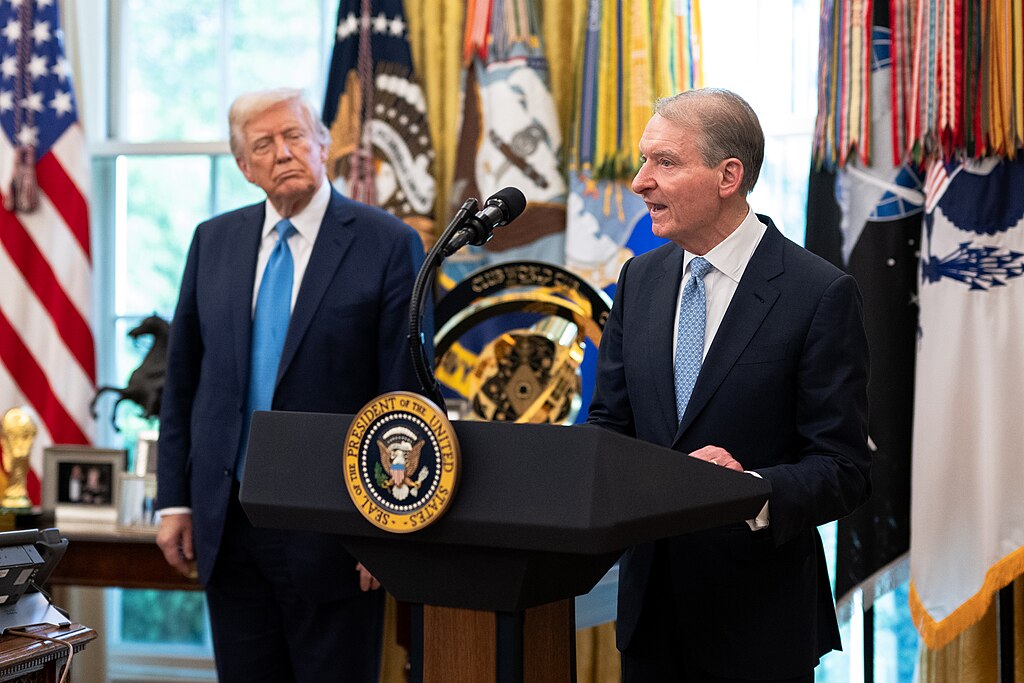
U.S. Securities and Exchange Commission (SEC) Chairman Paul Atkins has reaffirmed his commitment to keeping financial regulation at a minimum while supporting a major change in corporate reporting requirements. In an opinion piece for the Financial Times, Atkins emphasized that the SEC would aim to administer only the “minimum dose” of regulation necessary to maintain fair and transparent markets.
One of the key initiatives he highlighted is the push to accelerate President Donald Trump’s proposal to end the long-standing practice of quarterly corporate reporting. Instead, companies would be given the option to issue financial reports on a semi-annual basis. The move, according to proponents, would ease the administrative burden on businesses, reduce costs, and allow executives to focus more on long-term growth strategies rather than short-term earnings pressure.
Quarterly reporting has long been criticized for fostering a short-term mindset on Wall Street, where investors and analysts scrutinize every three-month earnings report. By shifting to a six-month reporting schedule, Atkins argues that companies will have more breathing room to invest in innovation, strengthen competitiveness, and create sustainable shareholder value.
While the proposal has sparked debate, with some investors concerned that less frequent reporting could reduce market transparency, Atkins underscored that the SEC’s approach would still prioritize accountability and investor protection. He noted that companies choosing the semi-annual option would remain subject to strict disclosure rules and oversight.
The push for regulatory reform and flexible reporting standards reflects the broader agenda of the Trump administration to reduce red tape for U.S. businesses. If implemented, this change could mark one of the most significant shifts in American corporate governance in decades.
Atkins’ remarks highlight the SEC’s balancing act between ensuring market integrity and giving companies the flexibility they need to thrive in an increasingly competitive global economy.







