


 Goldman Sachs Raises USD/JPY Forecast, Sees Yen Weakness Persist Through 2027
  Goldman Sachs Flags 3 Key Risks Ahead of Europe’s Earnings Season
  Gold Price Surges Above $4,120 as Weak US Jobs Data Lowers Fed Rate Hike Expectations
  Asian Currencies Stay Under Pressure as Dollar Holds Near 13-Month High Ahead of U.S. Jobs Report
  Turkey Vehicle Sales Fall 11.4% in June as Auto Market Weakens
  Gold Price Today: Bullion Heads for First Weekly Gain as Weak U.S. Jobs Data Eases Rate Hike Fears
  Trump Administration Declines USMCA Renewal, Opens Talks on New Trade Changes
  Oil Prices Slip as Oversupply Concerns and U.S.-Iran Talks Shape Market Outlook
  Wall Street Ends Mixed as Weak Jobs Data Lowers Fed Rate Hike Bets, Chip Stocks Tumble
  Mary Daly Says AI Uncertainty Clouds Fed Rate Outlook Despite Restrictive Policy
  Brazil to Phase Out Gasoline Subsidy First as Diesel Support Stays Longer
  Denmark Central Bank Intervenes to Support Krone Peg Against Euro
  China Services PMI Beats Forecasts as Strong Demand Supports June Growth
  JPMorgan Cuts Gold Price Forecast, Sees Bullion Reaching $4,500 by End of 2026
  Asian Stocks Rebound as Tech Shares Rally on Fed Rate Cut Hopes and Easing Iran Tensions
  New Zealand Consumer Confidence Rises in June as Inflation Expectations Ease


South Korea’s food prices surged by 7.3 percent on-year due to a short supply of agricultural products amid the outbreak of bird flu.
Consequently, the country's food price inflation in the second quarter ranked the third-highest among members of the Organization for Economic Cooperation and Development (OECD).
The on-year rise was the fastest gain since 2011 when food prices soared 7.8 percent in the same period, according to the OECD and Statistics Korea.
It was also far above the OECD average of 1.6 percent and the third-highest among the 38 OECD member countries that announced their inflation indexes, following Turkey with 18 percent and Australia with 10.6 percent.
It climbed up 23 notches from last year when its grocery and nonalcoholic beverage prices increased 2.5 percent.
Such an uptrend in food prices continued to prolong in July, raising concerns that the current contracted supplies will continue to fail to meet demand until next month when the Chuseok holiday starts.
Last month, agricultural, livestock, and fisheries product prices advanced 9.6 percent on-year.
The country's prices of agricultural, livestock and fisheries products grew 17.9 percent on year in April, with those of green onions soaring 270 percent.
Due to higher farm product costs, consumer prices rose over 2 percent for the third straight month in June, indicating an inflationary pressure buildup.
Dining out also became more expensive with the prices of seven out of the eight dishes most favored by South Koreans increasing between the January-June period.
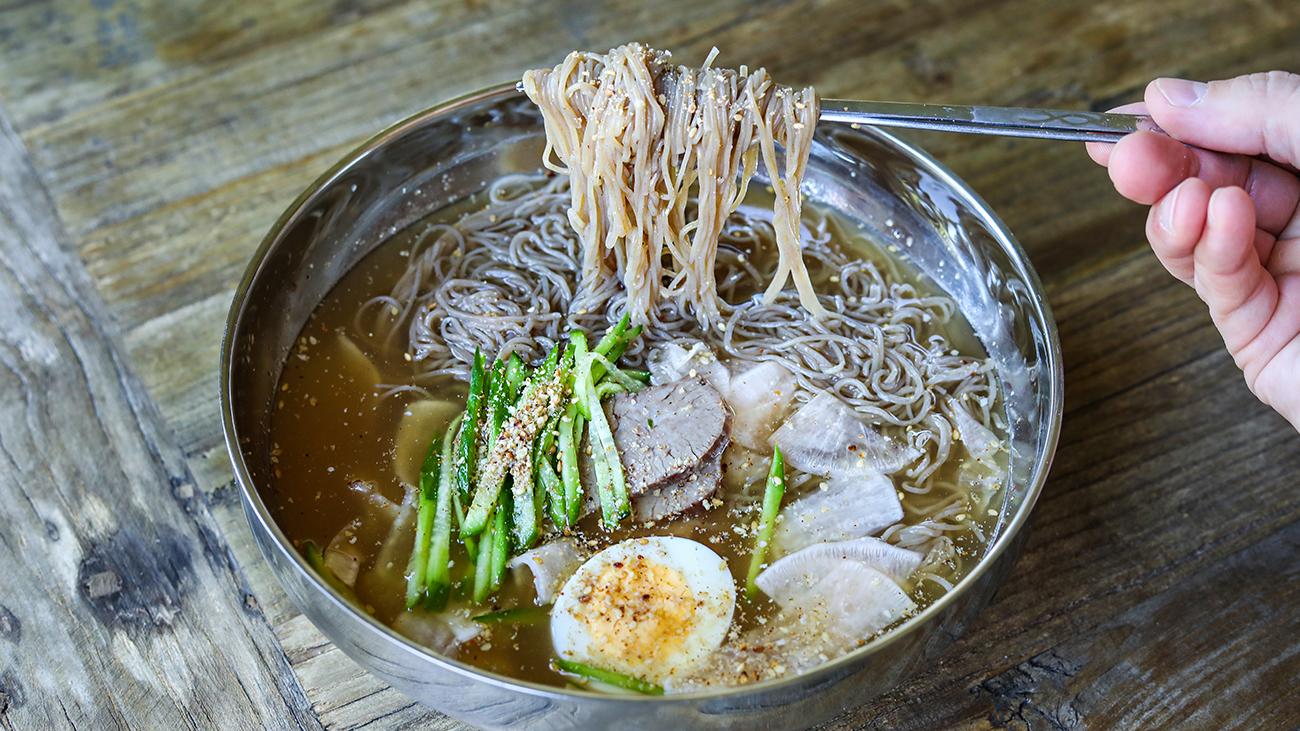
Prices of naengmyeon in the Seoul metropolitan area shot up nearly 6 percent in April to 9,500 won, on average.
The second-largest gainer was gimbap, with prices increasing 3.2 percent on-year gain to 2,731 won.







