


 American Airlines CEO to Meet Pilots Union Amid Storm Response and Financial Concerns
  Washington Post Publisher Will Lewis Steps Down After Layoffs
  Rio Tinto Shares Hit Record High After Ending Glencore Merger Talks
  Once Upon a Farm Raises Nearly $198 Million in IPO, Valued at Over $724 Million
  Sony Q3 Profit Jumps on Gaming and Image Sensors, Full-Year Outlook Raised
  Trump Backs Nexstar–Tegna Merger Amid Shifting U.S. Media Landscape
  TrumpRx Website Launches to Offer Discounted Prescription Drugs for Cash-Paying Americans
  Prudential Financial Reports Higher Q4 Profit on Strong Underwriting and Investment Gains
  CK Hutchison Launches Arbitration After Panama Court Revokes Canal Port Licences
  Weight-Loss Drug Ads Take Over the Super Bowl as Pharma Embraces Direct-to-Consumer Marketing
  Toyota’s Surprise CEO Change Signals Strategic Shift Amid Global Auto Turmoil
  SpaceX Prioritizes Moon Mission Before Mars as Starship Development Accelerates
  Instagram Outage Disrupts Thousands of U.S. Users
  Hims & Hers Halts Compounded Semaglutide Pill After FDA Warning
  SpaceX Pushes for Early Stock Index Inclusion Ahead of Potential Record-Breaking IPO
  Amazon Stock Rebounds After Earnings as $200B Capex Plan Sparks AI Spending Debate
  Nvidia, ByteDance, and the U.S.-China AI Chip Standoff Over H200 Exports


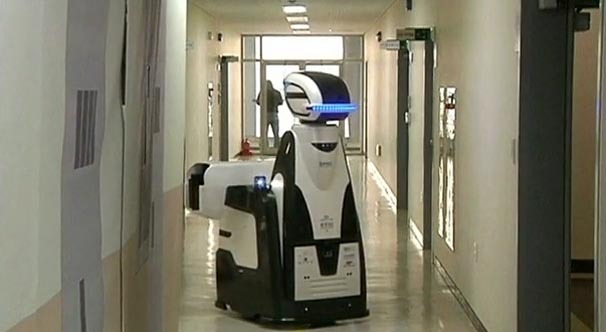
South Korea will allocate 194.4 billion won for the development of robot technology next year, up 32 percent from 2020, to have robots play bigger roles assisting workers through 2022, and have them operate autonomously by 2026.
The country plans to lift a set of regulations to pave the way for local firms to develop customized robots for four major areas, namely the industry, commerce, medical, and public sectors.
South Korea's robot industry is expected to reach 20 trillion won in 2025, up from around 5.8 trillion won in 2018, to become among the world's top four players.
The number of local professional robot companies could increase to 20 from just six in 2018.
The country has already kicked off efforts to revise 33 sets of related regulations in different industries.
According to Prime Minister Chung Sye-kyun, South Korea will adjust unnecessary regulations that may hinder the utilization of robots in different industries.
Among the regulations to be introduced are those allowing self-driving delivery robots to run on sidewalks by 2025, providing subsidies on the acquisition of caretaker robots by 2024, setting new rules for valet parking robots, and establishing safety standards for robots deployed in disinfection efforts.













