


 Airbus Finds A321neo Fuselage Quality Issue
  FDA Investigates New Cyclospora Outbreak as U.S. Cases Continue to Rise
  SK Biopharmaceuticals Secures Global Rights to Biohaven Epilepsy Drug Opakalim
  Moderna Wins FDA Approval for mFLUSIVA mRNA Flu Vaccine for Adults 50+
  The American mass exodus to Canada amid Trump 2.0 has yet to materialize
  Alcohol is one of the most dangerous drugs, yet its presence is ubiquitous in social settings and celebrations
  Want to cut your energy bills? Here’s how five experts are doing it
  DaVoice Sues Perplexity AI Over Trade Secrets
  AI is driving down the price of knowledge – universities have to rethink what they offer
  GSK Unveils $2.52 Billion Cost-Cutting Plan to Accelerate Drug Pipeline
  Almonty Industries Shares Jump 8% After Stifel Sets $25 Target
  Disaster or digital spectacle? The dangers of using floods to create social media content
  The ghost of Robodebt – Federal Court rules billions of dollars in welfare debts must be recalculated
  Office design isn’t keeping up with post-COVID work styles - here’s what workers really want
  SoftBank Shares Fall as Oracle Flags Stargate Data Center Delay Risk
  Glastonbury is as popular than ever, but complaints about the lineup reveal its generational challenge


 Add as a preferred source on Google
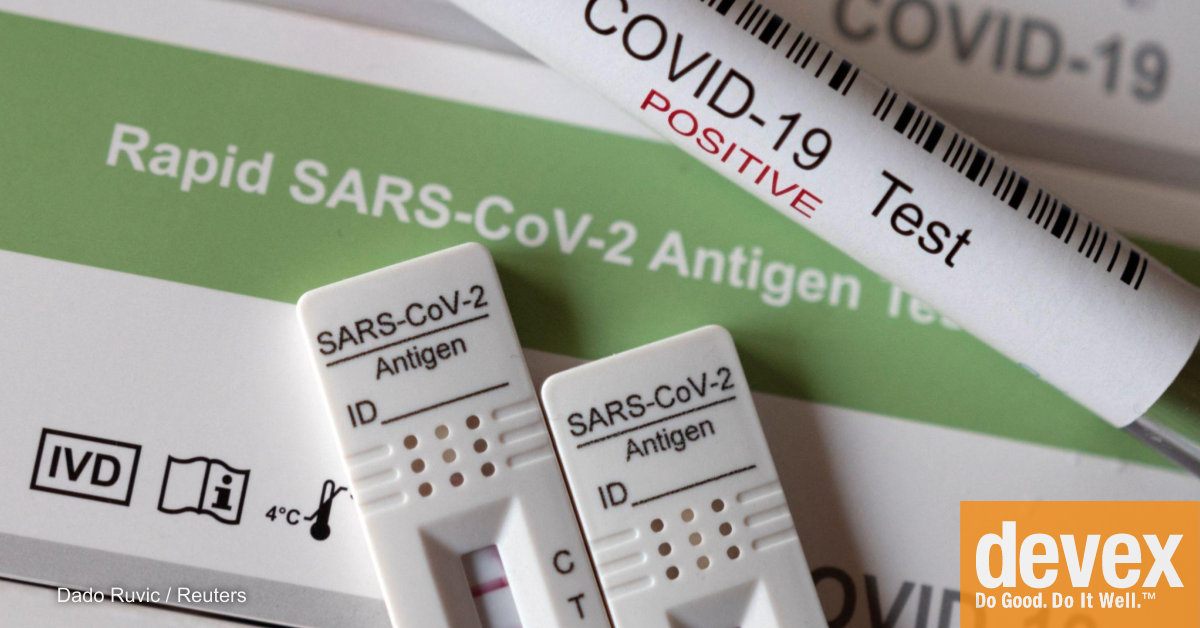
South Korea will require travelers from China to show either a negative PCR or antigen test for the coronavirus before boarding flights to the country by March, according to Prime Minister Han Duck-soo.
All travelers from China should receive a PCR test within 48 hours or an antigen test within 24 hours before their arrival.
They will also be required to receive a PCR test on the first day of their arrival.
South Korea will also restrict issuing short-term visas for Chinese nationals, excluding diplomats, public officials, and essential business and humanitarian purposes, The visa restriction will be applied by February.
In addition, South Korea will temporarily stop expanding flights to China, and all flights from China will be required to arrive at Incheon International Airport for proper containment management.
South Korea is facing a “twindemic” of the flu and the coronavirus.







