


 Tabletop particle accelerator could transform medicine and materials science
  Neuralink Expands Brain Implant Trials with 12 Global Patients
  Blue Origin’s New Glenn Achieves Breakthrough Success With First NASA Mission
  Gold Prices Steady as Oil Disruptions Boost Fed Rate Hike Bets
  China vs. NASA: The New Moon Race and What's at Stake by 2030
  China Home Prices Fall Again as Property Slump Drags on Growth
  Trump Signs Executive Order to Boost AI Research in Childhood Cancer
  Asian Currencies Subdued as Yen Weakens Ahead of Fed, BOJ Decisions
  NASA and Roscosmos Chiefs Meet in Florida to Discuss Moon and ISS Cooperation
  Asian Stocks Slide as Oil Surge Fuels Rate Hike Fears
  Blue Origin New Glenn Rocket Explodes During Launch Pad Test, Delaying Space Ambitions
  EUR/USD Eyes 1.17 as Fed Decision Could Weigh on Dollar
  Global Central Banks Brace for More Rate Hikes as Inflation Risks Rise
  Finland Raises 2026 Growth Forecast as Exports and Investment Surge
  Trump Administration to Launch Autism Initiatives Targeting Acetaminophen Use and New Treatment Options
  SpaceX Pivots Toward Moon City as Musk Reframes Long-Term Space Vision


 Add as a preferred source on Google
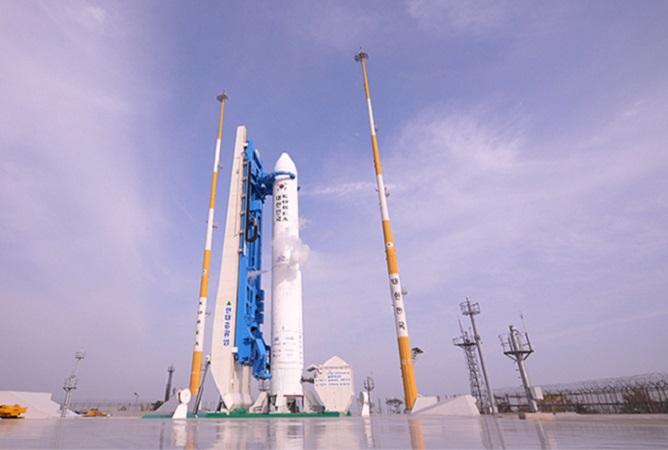
South Korea will invest 12 billion won in developing high-performance, liquid-fuel engines by next year as part of its space project, according to the ICT and science ministry.
The country unveiled the "Space Challenge" program in 2020 intending to invest 49.6 billion won until 2028 to secure future space industry technologies and leadership in 2030.
Of the total, the ministry has set aside a budget of 4.5 billion won this year and 7.5 billion won for 2023 to develop a 100-ton liquid-fuel engine.
The project also seeks to develop the next-generation rocket to succeed the Nuri rocket, which was equipped with 75-ton engines.
Nuri, also known as the KSLV-II, is South Korea's first homegrown space launch vehicle that successfully flew to a target altitude of 700 kilometers in October last year.
However, Nun failed to put a dummy satellite into orbit as its third-stage engine burned out sooner than expected.
South Korea plans to launch its first lunar orbiter this year.







