


 Japan Economy Poised for Q4 2025 Growth as Investment and Consumption Hold Firm
  Gold and Silver Prices Rebound After Volatile Week Triggered by Fed Nomination
  LA fires: Long-term exposure to wildfire smoke is poorly understood − and a growing risk
  Fed Governor Lisa Cook Warns Inflation Risks Remain as Rates Stay Steady
  U.S.-India Trade Framework Signals Major Shift in Tariffs, Energy, and Supply Chains
  Burkina Faso and Mali’s fabulous flora: new plant life record released
  As the Black Summer megafires neared, people rallied to save wildlife and domestic animals. But it came at a real cost
  Oil Prices Slide on US-Iran Talks, Dollar Strength and Profit-Taking Pressure
  China Extends Gold Buying Streak as Reserves Surge Despite Volatile Prices
  Trump Endorses Japan’s Sanae Takaichi Ahead of Crucial Election Amid Market and China Tensions
  Dollar Steadies Ahead of ECB and BoE Decisions as Markets Turn Risk-Off
  An unexpected anomaly was found in the Pacific Ocean – and it could be a global time marker
  Russian Stocks End Mixed as MOEX Index Closes Flat Amid Commodity Strength
  Extreme heat, flooding, wildfires – Colorado’s formerly incarcerated people on the hazards they faced behind bars
  Parasites are ecological dark matter – and they need protecting


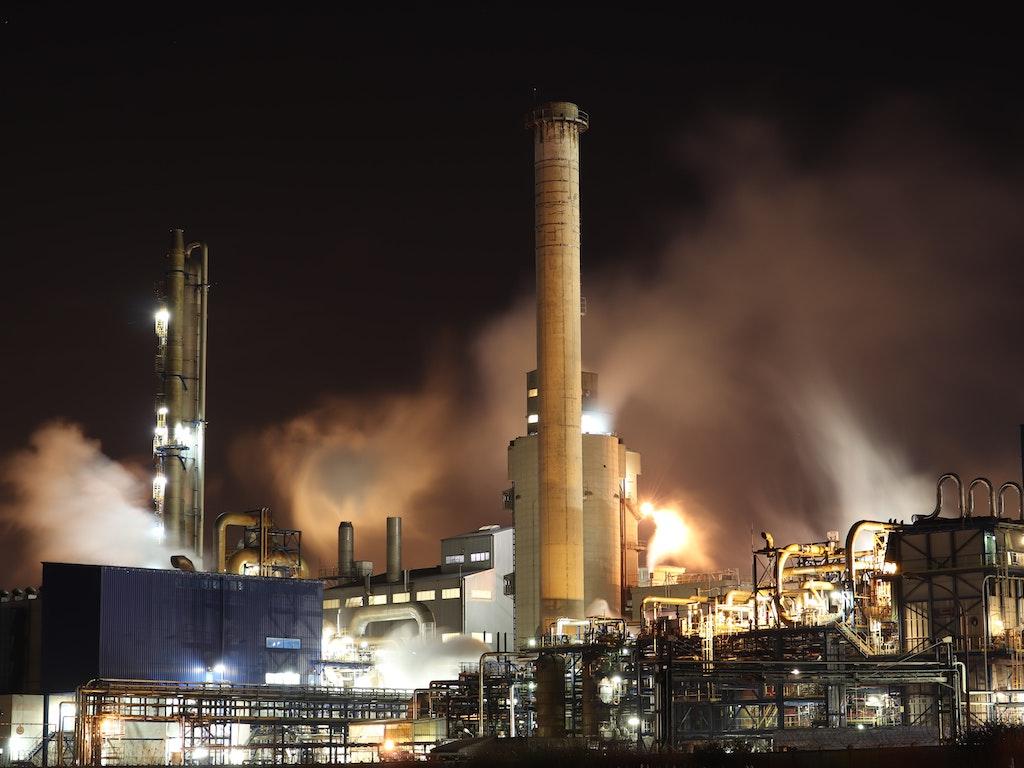
South Korea will refrain from investing in overseas coal projects using public funds beginning October, in line with the global initiatives to go carbon neutral by 2050.
According to the Ministry of Trade, Industry, and Energy, the public funds include all types of tax-backed support, including official development assistance, export finances, and investment.
A guideline to be implemented next month mandates all public organizations to withhold disbursing funds to overseas coal power plants, while government-funded private businesses will also be persuaded to follow the measure.
However, South Korea will maintain the continuity of existing projects with partner countries in observance of economic and diplomatic ties.
South Korea said it will also actively participate in the global discussions to cut the use of fossil fuels, including those from the Organization for Economic Cooperation and Development, aiming to apply stricter measures to local coal plants.













