


 Toyota’s Surprise CEO Change Signals Strategic Shift Amid Global Auto Turmoil
  Hims & Hers Halts Compounded Semaglutide Pill After FDA Warning
  Weight-Loss Drug Ads Take Over the Super Bowl as Pharma Embraces Direct-to-Consumer Marketing
  Tencent Shares Slide After WeChat Restricts YuanBao AI Promotional Links
  CK Hutchison Launches Arbitration After Panama Court Revokes Canal Port Licences
  Amazon Stock Rebounds After Earnings as $200B Capex Plan Sparks AI Spending Debate
  SpaceX Prioritizes Moon Mission Before Mars as Starship Development Accelerates
  Rio Tinto Shares Hit Record High After Ending Glencore Merger Talks
  TrumpRx Website Launches to Offer Discounted Prescription Drugs for Cash-Paying Americans
  Sony Q3 Profit Jumps on Gaming and Image Sensors, Full-Year Outlook Raised
  Ford and Geely Explore Strategic Manufacturing Partnership in Europe
  Global PC Makers Eye Chinese Memory Chip Suppliers Amid Ongoing Supply Crunch
  Nasdaq Proposes Fast-Track Rule to Accelerate Index Inclusion for Major New Listings
  Missouri Judge Dismisses Lawsuit Challenging Starbucks’ Diversity and Inclusion Policies
  Uber Ordered to Pay $8.5 Million in Bellwether Sexual Assault Lawsuit
  Alphabet’s Massive AI Spending Surge Signals Confidence in Google’s Growth Engine


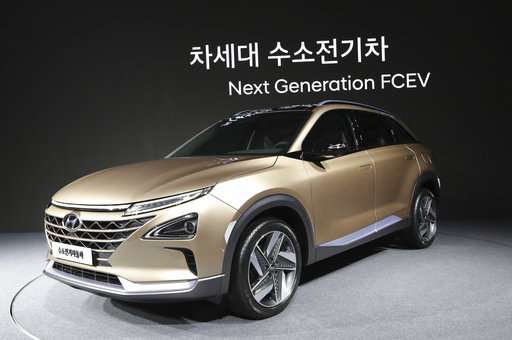
South Korea plans to build more hydrogen production facilities in Busan, Daejeon, and three other cities that could power 49,000 cars or 760 buses annually.
The facilities would utilize liquefied natural gas to produce 7,400 tons of hydrogen every year.
The move is in pursuance of the country's latest green energy vision that would break away from using fossil fuels and promote hydrogen fuel cell automobiles.
South Korea plans to increase the number of hydrogen passenger cars running in the streets to 15,158 units by the end of 2020 and to have 2.7 million of such automobiles by 2040.
The number of charging stations for hydrogen-powered will be increased from 34 in 2019, to around 350 by 2022, and 1,200 in 2040.













