


 China to Push Global Security Vision at Xiangshan Forum
  Kim Jong Un Pledges Deeper Russia Cooperation
  Judge Blocks Trump Rule Limiting Foreign Student Visas
  UK PM Andy Burnham Set for First Trump Meeting in New York
  South Korea’s Cho Hyun to Meet Rubio in Washington
  Trump Open to Chinese Automakers Building Cars in US
  Mahmoud Khalil Sues Columbia Over Alleged Pro-Palestinian Harassment
  What is Zionism? The different meanings of a contested term
  U.S. Imposes New Visa Restrictions Over South Africa Policies
  Ukraine Races to Counter Russia’s Faster Jet-Powered Drones
  Trump Touts $5,000 Checks if Republicans Win Congress
  Bill Gates Warns Governments Are Unprepared for AI Disruption
  Vietnam, U.S. Firms Plan 29 Deals Across Energy, Tech and Aviation
  Sweden Election: Centre-Left Holds Narrow Lead
  US Confirms Weapons in Orbit as Space Tensions Rise
  Lula, Flavio Bolsonaro Deadlocked in Brazil Election Polls
  Saudi Arabia Raises Security Alerts as Houthi Attacks Threaten Oil Routes


 Add as a preferred source on Google
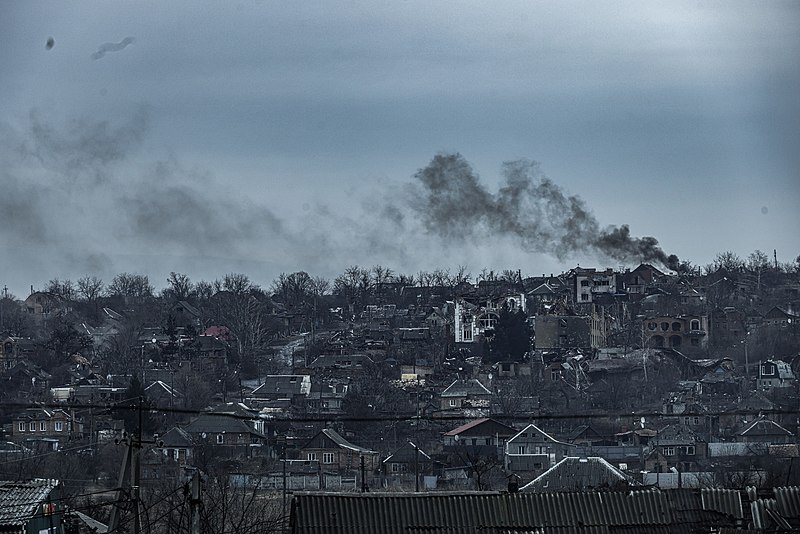
Denmark announced that it would be providing Ukraine with $250 million of economic and military support this week. The additional support comes as the war has been going on for 14 months since Russia invaded Ukraine in February last year.
Danish defense minister Troels Lund Poulsen laid out the country’s military plans along with its support for Ukraine on Tuesday. Poulsen said that Denmark would be providing Ukraine with $250 million of military equipment and financial support. Poulsen added that the country will be reducing its military presence in Iraq starting in early 2024 and will instead focus on its presence in the Baltic region, boosting NATO’s forces to defend the area.
The expected battalion from Denmark is expected to make up 700 to 1,200 soldiers and is set to be deployed to Latvia between four to six months every year. The Danish defense ministry said that Danish forces will remain in Denmark for the rest of the year and will stand by to be ready for deployment to the Baltic region in the event of a crisis.
Starting in February 2024, Denmark will withdraw one of its security and escort units of 105 soldiers in Iraq. However, the country will still provide staff and advice to NATO’s mission in Iraq, according to the defense ministry.
Meanwhile, the British defense ministry said in its intelligence bulletin on Tuesday that Russia bombarded Ukraine with cruise missiles launched in the air on April 28 and on May 1. These marked the first strikes in 50 days, following the strike that took place on March 9. The ministry said Moscow carried out the strikes from its Long Range Aviation strategic bombers, citing the Tu-95 and Tu-160 aircraft.
“Both strikes used smaller numbers of missiles than seen in previous attacks, which is likely due to Russian attempts to rebuild its ACLM stockpiles,” said the ministry, referring to Air-Launched Cruise Missiles. “The observed types of facilities damaged by the Russian strikes indicates a possible shift away from targeting Ukraine’s electrical power network. Both recent strikes were likely focused on Ukraine’s military, industrial, and logistical infrastructure.”







