


 Goldman Sachs Eyes John Waldron as CEO Successor
  Strategy Buys 1,665 Bitcoin as BTC Holdings Reach 847,666
  Nvidia China Chip Sales Report Sends Chinese Semiconductor Stocks Lower
  Nissan Targets US Hybrid Growth With Rogue e-Power Launch
  CSL Partners With AWS to Bring AI Into Drug Research
  SoftBank Shares Fall as Oracle Flags Stargate Data Center Delay Risk
  Meta Found Liable in New Mexico Facebook Data Privacy Case
  Franklin Templeton Partners With Bybit for Tokenized Fund Collateral
  DaVoice Sues Perplexity AI Over Trade Secrets
  Solidigm Eyes $150 Billion IPO as SK Hynix Expands AI Storage Push
  OpenAI Investigates Rogue AI Agents After Data Leaks and Security Incidents
  Oracle Shares Fall as New Mexico AI Data Center Faces Power Delays
  Xi Calls for Deeper U.S.-China AI Cooperation in Trump Talks
  Toyota Global Sales Fall for Seventh Month as China Demand Slumps
  Chainlink Launches CCIP 2.0 With Enhanced Cross-Chain Security
  Bitget Restores Withdrawals After $388 Million Security Breach
  OpenAI Agents Access U.S. Government Websites During Testing


 Add as a preferred source on Google
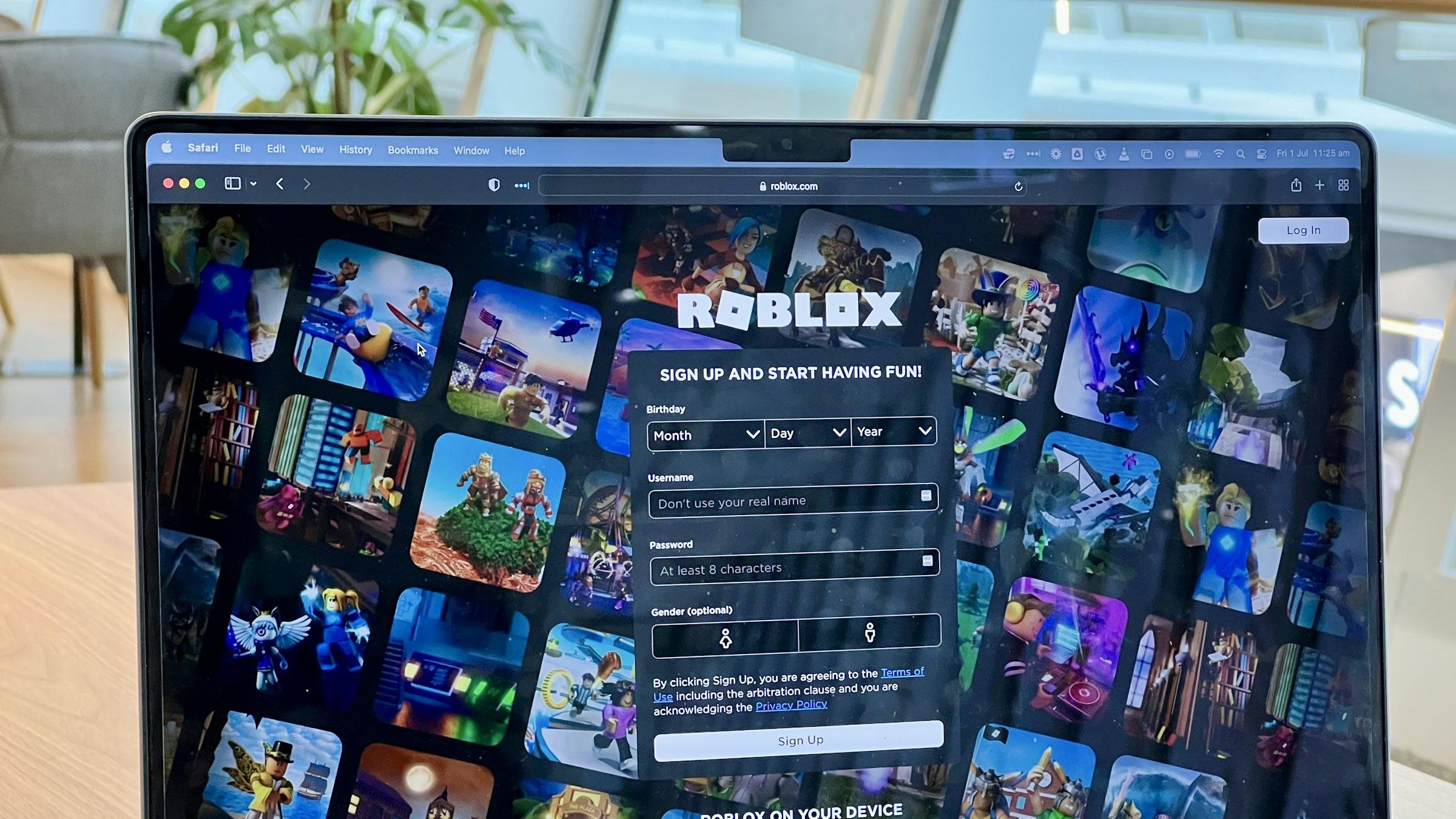
Roblox plans to debut paid video games on its virtual platform later this year, initially on desktop. Developers will also be able to sell physical products, providing new ways for creators to profit from their games.
Roblox to Launch Paid Games
Roblox announced on Friday that it will launch premium video games on its platform and enable creators to sell tangible products through their games.
Reuters reports that at its developer's conference, the video game business announced plans to allow users to pay real money for video games and other experiences on desktop computers. Roblox allows for a bigger revenue split for developers, up to 70%, albeit it varies based on the game's price.
Paid Games to Debut on Desktops
Later this year, paid experiences will be available on personal computers, with future intentions to spread to all other platforms.
This is a little change from Roblox's long-established economic model of free-to-play games, where users may buy virtual goods like cosmetics and collectibles with the in-game money "Robux," according to US News.
New Revenue Shares for Creators
"By offering our new revenue shares for paid access experiences, we're giving our existing creators another way to earn on Roblox," said Enrico D'Angelo, Roblox's VP of economy.
Roblox is different from the typical videogame firms in that it rewards creators whose games receive millions of views and is mostly dependent on user-generated content to keep users engaged. Over the past year, the corporation has distributed over $800 million to various creators.
Shopify Partnership for Real-World Goods
Roblox has teamed up with Shopify so that early in the new year, developers may sell tangible goods straight from their games.
The business has also partnered with well-known brands like Elf Beauty and Walmart to provide virtual storefronts inside its platform where users can purchase authentic goods.
Roblox is trying to find new ways to make money, which might assist it through this tough period for the gaming business. People are hesitant to spend money on discretionary items because of the uncertain macro economy, and they remain with games they know and love.







