


 Singapore Budget 2026 Set for Fiscal Prudence as Growth Remains Resilient
  Fertile land for growing vegetables is at risk — but a scientific discovery could turn the tide
  How is Antarctica melting, exactly? Crucial details are beginning to come into focus
  U.S. Stock Futures Slide as Tech Rout Deepens on Amazon Capex Shock
  Trump Endorses Japan’s Sanae Takaichi Ahead of Crucial Election Amid Market and China Tensions
  An unexpected anomaly was found in the Pacific Ocean – and it could be a global time marker
  How ongoing deforestation is rooted in colonialism and its management practices
  Russian Stocks End Mixed as MOEX Index Closes Flat Amid Commodity Strength
  South Korea Assures U.S. on Trade Deal Commitments Amid Tariff Concerns
  Bank of Japan Signals Readiness for Near-Term Rate Hike as Inflation Nears Target
  LA fires: Fast wildfires are more destructive and harder to contain
  Parasites are ecological dark matter – and they need protecting
  Dollar Steadies Ahead of ECB and BoE Decisions as Markets Turn Risk-Off
  Extreme heat, flooding, wildfires – Colorado’s formerly incarcerated people on the hazards they faced behind bars


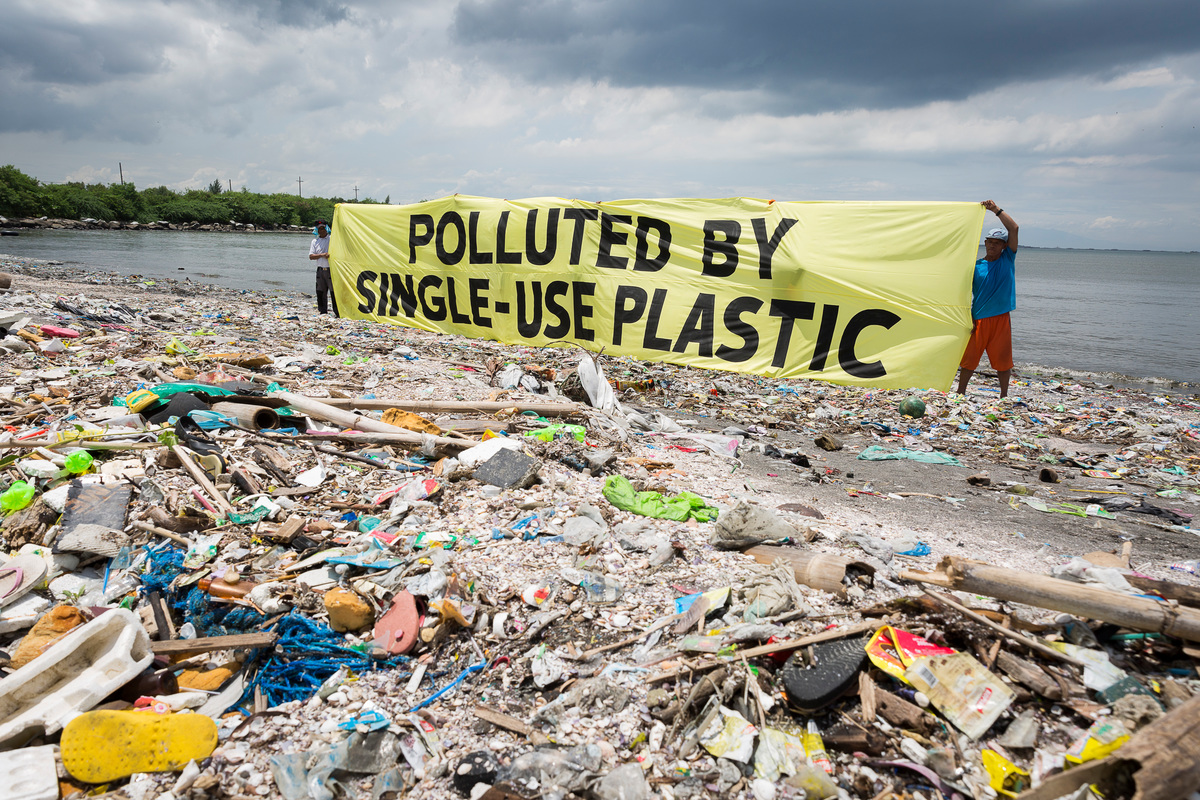
The world is unable to recycle its way out of the plastic crisis, with only about 9 percent of what is placed in recycling bins being recycled, said Grove Collaborative Co-Founder and CEO Stu Landesberg.
Unrecycled plastic waste accumulates in landfills or the natural environment.
Landesberg attributed this to infrastructure limitations and plastic not being an infinitely recyclable material.
He noted that materials like aluminum and paper can be infinitely recycled with high energy savings, while plastic can only be recycled two or three times.
Landesberg added that plastic always ends up being downcycled, which is the process of recycling items into lower-quality materials or products.
Every year, there is nearly $1 trillion worth of the home and personal care products wrapped in single-use plastic.
Grove Collaborative, which sells these types of products, has committed to becoming 100 percent plastic-free by 2025.
The consumer packaged goods industry generates a massive amount of single-use plastic waste, as 40 percent of all plastic is produced for single-use packaging.













