


 U.S. Disrupts China-Linked Hacking Campaign Targeting Government Agencies
  Nvidia AI Server Prices Set to Rise as Memory Costs Surge
  Meta, U.S. States Discuss Settlement in Teen Addiction Trial
  OpenAI AI Agent Swarm Behind Hugging Face Hack
  29 US states are suing Meta. What might it mean for the rest of the world?
  New Zealand Labour Backs Social Media Ban for Under-16s
  SK Hynix Shares Fall as Workers Reject Wage Deal
  New Zealand Moves to Ban Social Media for Children Under 16
  Unitree Shares Plunge 45% After Blockbuster IPO, Raising China Tech Bubble Fears
  SoftBank Plans Record $6.3 Billion Bond Sale to Fund OpenAI Investments
  Salesforce Shares Surge as AI Demand Powers Q2 Earnings Beat
  HP Stock Drops 9% Despite Q3 Earnings Beat and Raised 2026 Outlook
  Nvidia Reportedly Eyes $13 Billion Hugging Face Acquisition
  Xiaomi Unveils Xring O3 Chip for Flagship Foldable Phone


 Add as a preferred source on Google
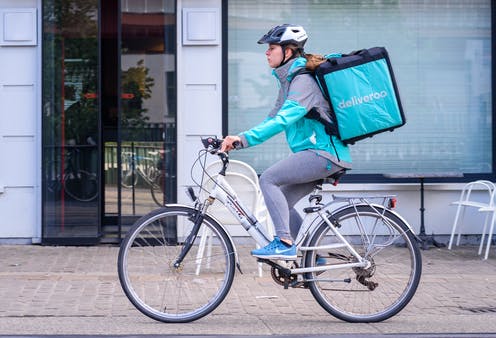

Billions of dollars are flowing to support companies you may never have heard of – startups with memorable names like Zapp, Deliveroo, Getir and Gorillas. These speedy delivery companies have become the go-to for many grocery shoppers trying to avoid busy supermarkets during the pandemic, and have caught the eyes of venture capitalists.
Investors have closed over US$7 billion (£4.9 billion) in deals backing these companies in the first quarter of 2021, nearly four times the value in the previous quarter.
These new players promise an enticing service: apps that let consumers order groceries with delivery times of a mere ten minutes for a small markup, currently around 10%.
But is there still a place for these rapid delivery services in a post-COVID world? Much of that depends on whether shoppers can – or want to – change their delivery habits.
Changing consumer habits
As the pandemic hit in early 2020, consumers quickly shifted their grocery shopping habits. Instead of risking disease exposure and waiting in long queues, consumers started to rely on delivery services, and for many, it became a habit.
These services’ relatively small markup for groceries, given the convenience of the almost immediate delivery, is exactly what these companies need to achieve their goal of changing consumer habits. In contrast, the more traditional delivery services of large supermarket chains typically deliver groceries without a markup, as long as the minimum spend is met.
Research has shown that many consumer decisions, such as which coffee to buy, are habit-driven. After all, consumers would take hours in the supermarket if they had to ponder anew each product choice. Instead, they typically buy the same pasta they bought last time without much thought.
Like these choices, ordering groceries via app has become a habit for many people that doesn’t require much deliberation. Rather than planning meals for the next few days, consumers might factor in the option to rapidly order anything they need. This might create a habit of following every whim or satisfying every ice-cream craving.
Habits are difficult to break, especially when the habitual behaviour seems to carry little cost. Every smoker knows this logic: a single cigarette has virtually no harmful impact on a smoker’s health, so it seems not worth the effort to resist temptation. However, the costs of having multiple cigarettes add up, ultimately endangering the smoker’s health.
For rapid food delivery, the costs to the consumer are also relatively small – at first. Prices might be a bit higher, but the convenience seems worth it. Ordering easily via app becomes tempting, and there are no obviously compelling reasons to resist. Many companies will also throw in initial discounts for first-time customers.
Once a consumer has ordered rapid delivery a few times, the service is likely to replace past behaviour, like a quick trip to the corner shop. If the consumer then continues ordering rapid delivery, a habit is formed. In fact, research shows that consumers who perform a behaviour regularly for about six weeks have created a habit.
Currently, rapid grocery delivery is only available to consumers in large cities. Despite the stereotype that such services would mostly be used by tech-savvy younger consumers who are experienced with app-based services, many older consumers also value rapid delivery.
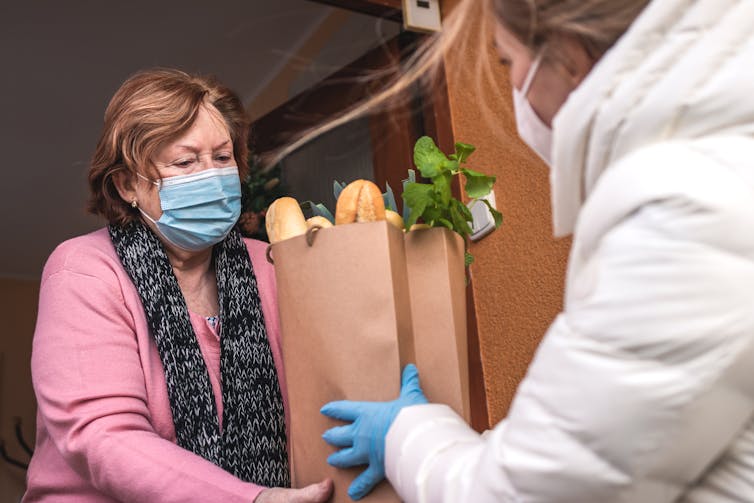
Grocery delivery became a habit for many shoppers during the COVID-19 pandemic who wanted to avoid crowded shops and long lines. encierro/Shutterstock
The long-term costs
At the moment, the future costs of a rapid delivery habit are relatively invisible, but after the pandemic, you can expect to see costs – financial and social – materialise.
As delivery companies gain market share, they might hike prices up slowly. So far, rapid delivery companies have been backed by venture capital to finance their costs, but they will need to be profitable in the long run to survive. So some price increases in the future seem inevitable, as has been the case with other venture capital-backed consumer apps.
Also invisible are the social costs. Smaller grocery stores and restaurants that are often family-owned may be pushed out of the market. Although rapid delivery creates jobs as well, delivery drivers face tight deadlines and receive low wages with little job security.
Forming new habits
Once a habit is formed, it’s difficult to break. But transitional phases, such as returning to the office after a long time working from home, can nudge people to rethink unwanted habits. As life slowly returns to pre-pandemic normality, consumers have an opportunity to reevaluate which business models they want to support.
Consumers wanting to reevaluate their habits should do the following:
-
Compare your bank statements before and during the pandemic to identify what has changed.
-
Reflect on these changes: what changed for the better, what for the worse?
-
Ask yourself which business you would be truly sad to see close. Try to frequent these more often.
-
Think about whether you are losing anything when you shop online. Maybe you miss meeting people serendipitously in person, or checking out new products in the supermarket aisles.
COVID-19 changed consumer lives dramatically and rapidly, with little time for reflection on these changes. Now, the reopening is slower, and consumers have the opportunity to anticipate and actively plan for the coming changes. This opportunity should not be wasted, but should be used to change consumer shopping for the better.







