


 Wall Street Futures Rally as Oil Prices Drop Amid Optimism Over U.S.-Iran Talks
  Trump Sends 5,000 Additional U.S. Troops to Poland Ahead of NATO Talks on Iran War
  Eurozone Recession Risks Rise as Middle East Conflict Threatens Growth, ECB Official Warns
  Japan Plans $19 Billion Extra Budget as Bond Market Faces Pressure
  BOJ Rate Hike Expectations Grow as Board Member Signals Hawkish Stance
  Rupee Rebounds as RBI Signals Strong Support Amid Falling Oil Prices
  Kevin Warsh Advances Toward Fed Chair Role Amid Political Tensions
  AI-Driven Memory Chip Prices May Be Skewing U.S. Inflation Data, Fed Minutes Suggest
  Shangri-La Dialogue 2026 to Focus on Iran War, Taiwan Tensions and U.S. Role in Asia
  Dollar Weakens as Iran Deal Hopes Boost Global Currencies and Risk Appetite
  Global Bond Selloff Pressures Stocks as Rising Oil Prices Fuel Inflation Fears
  Oil Prices Drop Below $100 as U.S.-Iran Talks Ease Strait of Hormuz Fears
  Trump’s White House Ballroom Project Draws Criticism Amid Rising Gas Prices
  Russia Launches Massive Missile and Drone Assault on Kyiv, Killing Civilians and Damaging Historic Sites
  Israeli Airstrike in Gaza Refugee Camp Kills Infant and Parents Amid Fragile Ceasefire


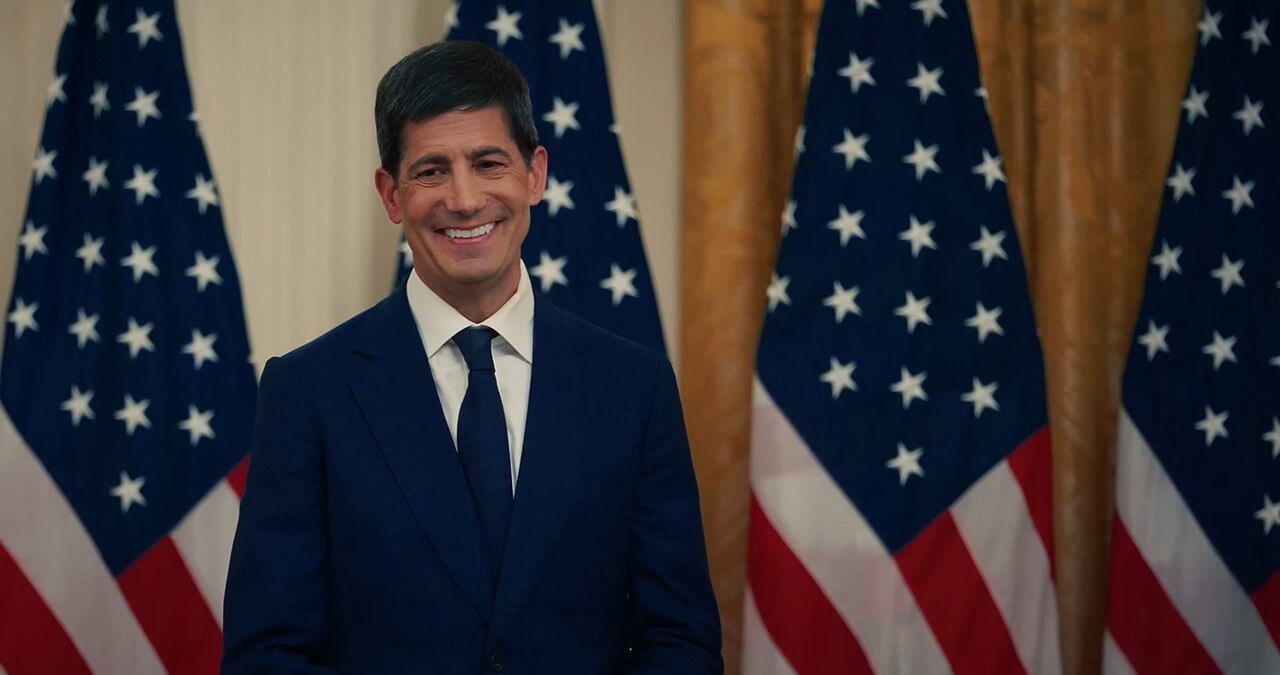
President Donald Trump can no longer blame former Federal Reserve Chair Jerome Powell for the state of the U.S. economy after appointing Kevin Warsh as the new head of the Federal Reserve. With Warsh now leading the central bank, Trump is directly tied to future economic performance, including inflation, mortgage rates, and overall consumer confidence.
Warsh officially took office during a White House ceremony attended by senior officials, Supreme Court justices, and cabinet members. Trump praised the new Fed chair and emphasized the need for stronger economic growth. However, the timing of the appointment comes as Americans continue to struggle with rising living costs and economic uncertainty.
Recent data shows consumer confidence has weakened significantly, especially among independent voters and Republicans ahead of the upcoming midterm elections. Mortgage rates have climbed above 6.5%, reaching their highest level in nine months, while inflation has accelerated from 2.3% to 3.5% since March 2025. Gas prices have also surged following geopolitical tensions linked to U.S. actions involving Iran.
Economic analysts say the Federal Reserve faces difficult choices. Raising interest rates could help slow inflation, but higher borrowing costs may further hurt consumers and weaken public support for Trump’s economic agenda. Unlike Powell, who often served as a political target for criticism, Warsh’s decisions will likely reflect directly on Trump’s leadership.
Warsh, a former Fed governor and experienced financier, is expected to bring a different style to the Federal Reserve. He has openly supported more aggressive policy debates and less predictable communication with financial markets. His approach could create volatility as investors closely watch whether interest rates rise further in response to persistent inflation concerns.
With the economy becoming a central issue ahead of the elections, both Trump and Warsh face growing pressure to deliver results while maintaining market stability and public confidence.







