


 Rubio Directs U.S. Diplomats to Use X and Military Psyops to Counter Foreign Propaganda
  Microsoft's $10 Billion Japan Investment: AI Infrastructure and Data Sovereignty Push
  TSMC Japan's Second Fab to Produce 3nm Chips by 2028
  Chinese Universities with PLA Ties Found Purchasing Restricted U.S. AI Chips Through Super Micro Servers
  OpenAI Executive Shake-Up Ahead of Anticipated 2026 IPO
  SpaceX Eyes Historic IPO at $1.75 Trillion Valuation
  SK Hynix Eyes Up to $14 Billion U.S. IPO to Fund AI Chip Expansion
  Apple Turns 50: From Garage Startup to AI Crossroads
  NASA's Artemis II Crew Arrives in Florida for Historic Moon Mission
  Britain Courts Anthropic Amid US Defense Department Dispute
  Samsung Electronics Posts Eightfold Profit Surge Driven by AI Chip Demand
  Federal Judge Blocks Pentagon's Blacklisting of AI Company Anthropic
  California's AI Executive Order Pushes Responsible Tech Use in State Contracts
  Nanya Technology Shares Surge 10% After $2.5 Billion Private Placement from Sandisk and Cisco
  Cybersecurity Stocks Tumble After Anthropic's Claude Mythos AI Leak Sparks Market Fears
  Google's TurboQuant Algorithm Sends Memory Chip Stocks Tumbling
  China's Push to Steal Taiwan's Chip Technology and Talent Raises Security Alarms


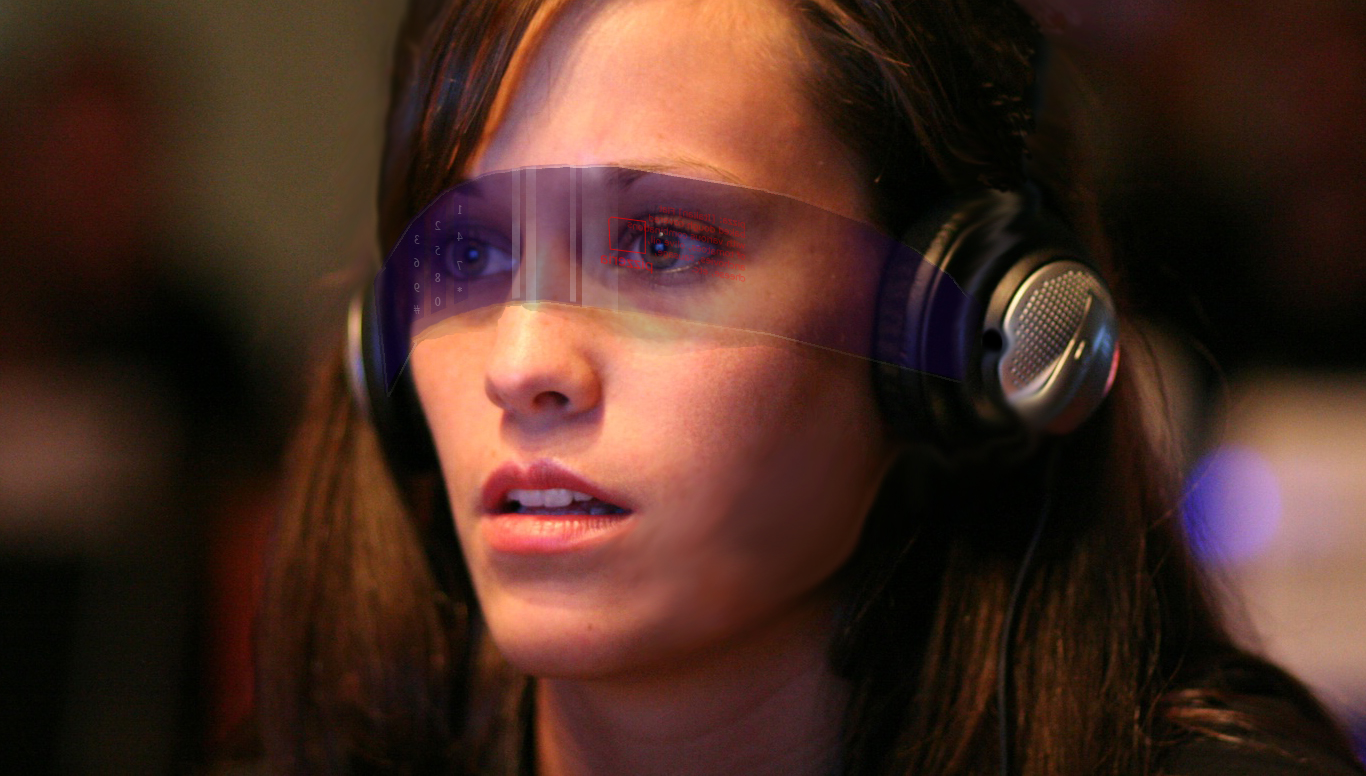
Attendees at the 2017 Consumer Electronics Show have seen some neat pieces of technological innovations, but Qualcomm’s new R-8 and R-9 augmented reality glasses courtesy of Osterhout Design Group definitely takes the cake for today. Housing the most powerful Android processor in the market in the Snapdragon 835, it immediately caught the eye of the media and drew mixed reactions.
CNET is of the opinion that the futuristic eyewear seems particularly apt as a representation of future wearable devices. The processor that powers the glasses is the same that is currently allowing high-end Android smartphones like the Samsung Galaxy S7 to perform as well as they do, which is a good sign that there’s plenty of muscle revving under those shades.
The two models are also distinct in that they cater to two different types of customers. The R-8 is meant for more casual users while the R-9 is intended to be used by more business-oriented consumers. Both feature AR programs, which will superimpose digital imagery and objects onto real-world environments. However, the glasses are also able to run virtual reality, though not as well as its more powerful counterparts.
Among the things that users can do with the glasses include watching videos, checking messages, and even take pictures using the onboard camera. It’s like Snap Inc.’s Spectacles, only with more functionality.
Even with all of these innovations, however, The Verge is still of the opinion that the two AR glasses are terrible devices. Its reason? The eyewear that contains the most powerful mobile processor in the market and a gamut of electronic features looks bulkier than actual glasses.
There’s also the part about the glasses costing $1,000 on the base model, which officially makes it more expensive than the Oculus Rift and the PS4 VR headsets combined. As such, it’s only natural to expect some skepticism from the media.







