


 Netanyahu Takes Aim at Mamdani as Israel Election Nears
  Sudan Rejects US Legitimacy Remarks, Defends Sovereignty
  Taiwan Thanks US for Support Ahead of Trump-Xi Summit
  Pezeshkian Says US Must Choose When Iran War Ends
  Yemen Violence Displaces 130,000 as Civilian Toll Rises
  Netanyahu Defends Israel at UN as Delegates Stage Walkout
  Trump, Xi Visit US National Archives After White House Summit
  France Defends Netanyahu Airspace Clearance Despite ICC Warrant
  US Senate Rejects Iran War Powers Resolution in 50-49 Vote
  Najib Razak Seeks Stay of 15-Year 1MDB Prison Sentence
  Trump, Xi Focus on Trade and AI at White House Summit
  Xi Calls for Deeper U.S.-China AI Cooperation in Trump Talks
  Trump Asks Supreme Court to Restore Third-Country Deportations
  Kremlin Says No Decision Yet on Putin-Trump December Summit
  Judge Orders Trump to Restore White House Access for CNN, MS NOW and Politico
  Mexico-US Trade Talks Delayed to October as Tariff Negotiations Continue
  North Korea Rejects Nuclear Test Warning, Calls Nuclear Status Irreversible


 Add as a preferred source on Google
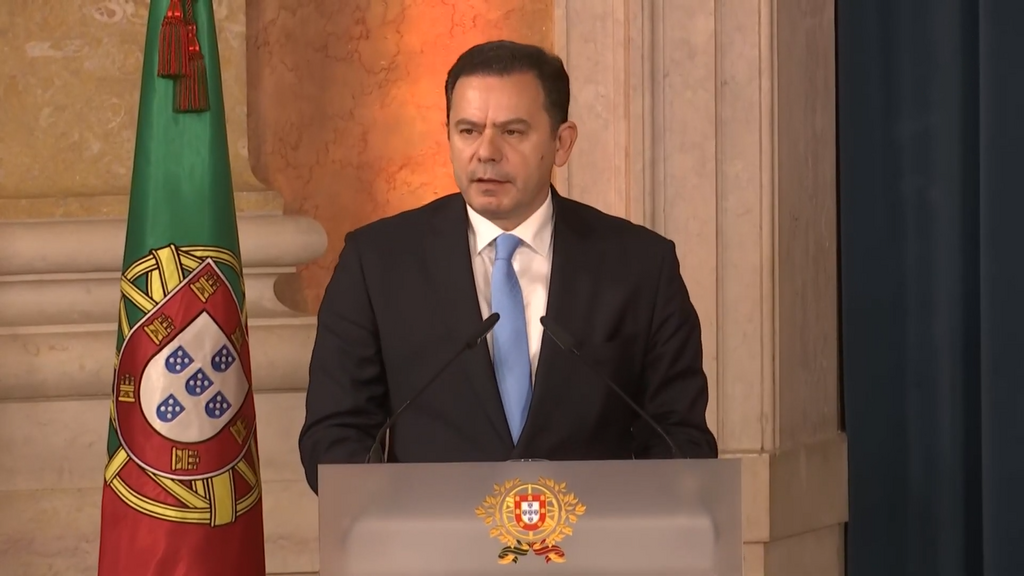
Portugal’s centre-right Democratic Alliance (AD) secured victory in Sunday’s early parliamentary election but again fell short of a majority, deepening political uncertainty. AD, led by Prime Minister Luis Montenegro, won 89 seats in the 230-seat parliament, nine more than the previous election. However, this still leaves Montenegro reliant on unstable, piecemeal support to govern, as he reaffirmed his refusal to ally with the far-right Chega party.
The election was triggered after Montenegro’s minority government lost a confidence vote in March, following controversy over his family’s consultancy dealings—a charge he denies. Voters appeared to reject the Socialist-led ouster, with the centre-left Socialist Party (PS) falling to 58 seats from 78. Socialist leader Pedro Nuno Santos announced his resignation after the results.
Chega, an anti-immigration party founded in 2019 by Andre Ventura, matched the Socialists with 58 seats, a remarkable surge that outperformed most polls. Final rankings may shift after overseas votes are counted, potentially placing Chega in second place—a historic setback for the Socialists, who have consistently ranked in the top two for nearly four decades.
Political analyst Adelino Maltez called the result a sign that Portugal’s era of bipartisanship is ending, suggesting a potential grand coalition between AD and PS to stabilize governance. However, Montenegro insists on forming another minority government.
Chega’s growth has disrupted traditional voting patterns, even winning in southern districts long dominated by the left. The election, shaped by concerns over housing and immigration, adds to a decade of fragile governance.
Portugal’s recent economic success—including EU-leading growth, budget surpluses, and debt reduction—could now be jeopardized. Ongoing instability may stall key initiatives, including lithium mining and the long-delayed privatisation of national airline TAP.







