


 GE Vernova Q2 Revenue Tops Estimates as Earnings Miss, Shares Slide Despite Higher 2026 Outlook
  Super Micro Computer Stock Jumps 20% After Record AI Orders and Margin Surge
  Samsung Eyes Up to $1.14 Billion Investment in AI Startup Mistral
  Rubio Rejects AI ‘Kill Switch’ Claims as U.S. Defends American Technology Abroad
  Wistron Opens $700M Texas AI Factory to Build Nvidia GB300 Superchips
  SpaceX Aborts Starship Test Flight as Engine Issue Delays Launch
  Elon Musk Fuels SpaceX-Tesla Merger Speculation After Earnings Call
  Morgan Stanley Downgrades Adobe, Workday as AI Transition Raises Growth Concerns
  KAIST, Stanford Develop Self-Dressing Robot for Cleanrooms and Emergency Gear
  Lockheed Martin Unveils Lower-Cost Patriot ACE Interceptor to Meet Rising Air Defense Demand
  DeepSeek Eyes $74 Billion Valuation Ahead of Planned China IPO
  Mikron H1 2026 Sales Fall 5.9% as Automation Weakness Weighs on Profit
  Belimo H1 Sales Surge as AI Data Center Cooling Drives More Than Half of Growth
  Nvidia Reveals 9.3% Stake in AI Cloud Firm Nebius Following $2 Billion Investment
  ASML Trillion-Dollar Valuation: Can Europe’s AI Chip Giant Reach the Historic Milestone?
  SpaceX Q2 Earnings on Aug. 4 Set Stage for Historic Insider Share Unlock
  SpaceX Targets Thursday Launch for Starship's 13th Test Flight After Last-Minute Delay


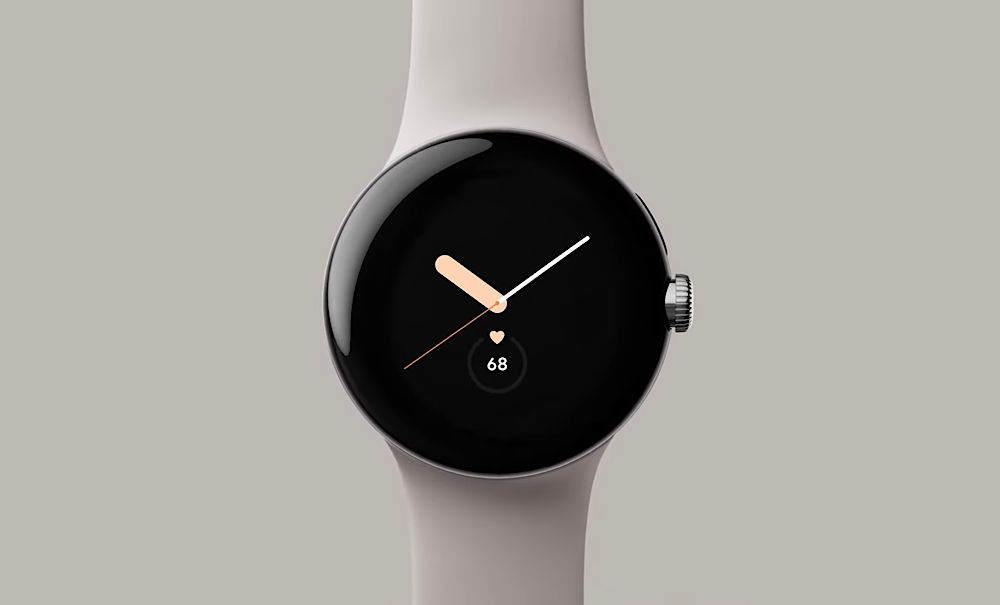
Google confirmed that the Wear OS would receive the same annual update treatment the Android operating system gets following the unveiling of the Pixel Watch last week. It means Google’s first in-house smartwatch will receive at least three versions of the Wear OS in the years to come.
The Wear OS went through somewhat of a rebirth last year. Apart from changing its name from Android Wear, Google also announced its partnership with Samsung to co-develop Wear OS as a “unified platform.” Now that Google has brought the Pixel Watch to the market, the company confirmed Wear OS would receive regular updates every year.
“Our goal is, from a platform perspective, for us to release a new version of Wear generally every year in a similar fashion to mobile, partly because we need to support mobile," Wear OS product management director Björn Kilburn told Wired. “If new functionalities added in Android are critical for watches and hearables, then we've got to find a way to get it into the watch.” Aside from a new version launching annually, Wear OS will also receive updates every quarter to add “new experiences” to the platform.
How Google will name the annual version of Wear OS is still unclear. New versions of Android used to launch with dessert-themed names until Google switched to a simpler numbering scheme in 2019, and it remains to be seen if the same approach will be used for Wear OS.
Similar to Android, the availability of over-the-air updates for new versions of Wear OS will also depend on every manufacturer starting in Wear OS 3. This means some smartwatch brands (like the Pixel Watch) will likely receive new versions and the latest updates earlier than others.
Shortly after the Pixel Watch launched, Google published a support page confirming that the smartwatch would receive at least three years of software updates. It means users can expect to get the new versions of Wear OS through October 2025.
Google is now accepting Pixel Watch pre-orders and has confirmed the device will ship to nine countries, including Australia, Canada, France, Germany, Ireland, Japan, Taiwan, the United States, and the United Kingdom. Its Bluetooth/Wi-Fi variant is available starting at $349, while its LTE version costs $399.







