


 Novo Nordisk Eyes Turnaround as Oral Wegovy Challenges Eli Lilly in Weight-Loss Drug Race
  SpaceXAI to Double Nvidia Chips at Colossus 2 by Year-End
  Venezuela Earthquake Health Risks Rise as Disease Monitoring Intensifies
  Oracle Shares Fall as New Mexico AI Data Center Faces Power Delays
  New Mexico Measles Outbreak Cost Reached $5.4 Million, Study Finds
  AstraZeneca Halts Phase III Volrustomig Lung Cancer Trial After Efficacy Setback
  Suzuki Targets Faster Car Development to Keep Pace With Chinese Rivals
  SoftBank Shares Fall as Oracle Flags Stargate Data Center Delay Risk
  Tesla Semi Rollout Begins at Nevada Factory
  Mercedes-Benz Eyes €800 Million Labor Cost Cuts in Germany
  Hanmi Pharm Soars 30% on $2.3 Billion Genentech Obesity Drug Deal
  Costco Revenue Beats Estimates as Inflation Drives Bulk Shopping
  Moderna Wins FDA Approval for mFLUSIVA mRNA Flu Vaccine for Adults 50+
  Novartis M&A Strategy Faces Investor Scrutiny After Drug Setbacks
  Meta Unveils Muse Charm AI Device, Expands Smart Glasses Lineup
  U.S. Issues Cuba Health Alert as Illnesses Rise


 Add as a preferred source on Google
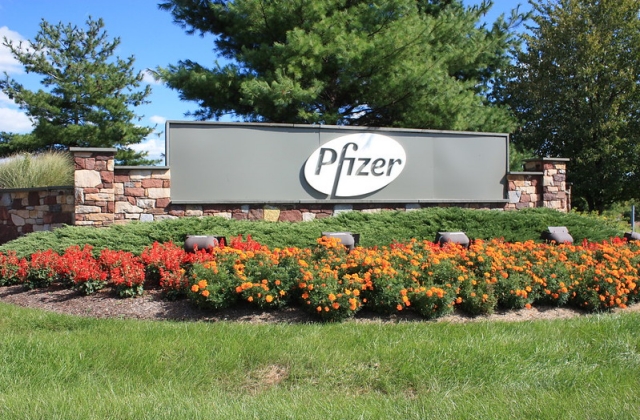
Pfizer has entered into a licensing agreement worth up to $6 billion with Chinese biopharmaceutical firm 3SBio Inc, aiming to advance a promising cancer treatment currently in clinical trials. The collaboration underscores Pfizer’s growing interest in oncology and its strategic push into the Asian pharmaceutical market.
Under the agreement, 3SBio will take charge of developing, manufacturing, and commercializing the investigational drug in China. The compound, still in trial phases, is designed to treat various cancers and tumors, though specific indications have not been disclosed. Pfizer retains rights outside of China and will receive milestone payments and royalties based on development progress and commercial performance.
This partnership highlights a trend of Western pharmaceutical giants teaming up with Chinese biotech firms to accelerate access to cutting-edge therapies in one of the world’s fastest-growing healthcare markets. For Pfizer, the deal not only strengthens its oncology portfolio but also aligns with its broader strategy of expanding its presence in emerging markets.
The deal’s structure includes upfront and milestone payments that could total $6 billion, signaling strong confidence in the drug’s potential. It also reflects Pfizer’s continued investment in targeted cancer therapies and biologics, which have become critical areas of growth amid increasing global demand.
By collaborating with 3SBio, a company with established R&D and commercial infrastructure in China, Pfizer leverages local expertise to navigate regulatory pathways and bring advanced treatments to Chinese patients faster. For 3SBio, the partnership provides access to innovative science and strengthens its oncology pipeline.
This move is part of Pfizer’s ongoing strategy to forge global alliances that accelerate innovation and deliver next-generation cancer treatments worldwide. With the global oncology market projected to surpass $500 billion by 2030, such partnerships are key to staying competitive and impactful in the pharmaceutical space.







