


 Nvidia Revenue Soars 106% as AI Demand Hits ‘Inflection Point’
  Yindjibarndi Appeals Fortescue Mining Compensation Ruling
  Bank of Korea Raises Rates to 3% as Inflation Stays Sticky
  Salesforce Shares Surge as AI Demand Powers Q2 Earnings Beat
  Australia’s Big Four Banks Face Mortgage Slowdown as Valuations Draw Scrutiny
  US Stocks Finish Flat as Inflation Data, Nvidia Earnings Keep Investors Cautious
  SEC Probes Banks Over Situational Awareness Hedge Fund Collapse
  US-Canada Tariff War Escalates With 50% Auto Duties
  Hong Kong Home Prices Fall 0.5% in July, Ending Long Winning Streak
  Tesla Raises Cybertruck Prices by $5,000 in US
  Asian Energy Stocks Slide as Iran-Oman Hormuz Talks Pressure Oil Prices
  OpenAI AI Agent Swarm Behind Hugging Face Hack
  SoftBank Eyes $20 Billion Bond Sale to Refinance OpenAI Loan
  Google Expands Gemini Enterprise With AI Tools for Legal Sector
  Bathla Group Hires Administrators as Australia Housing Slump Deepens
  Trian Drops Wendy’s Take-Private Bid Plans, Shares Plunge 14%


 Add as a preferred source on Google
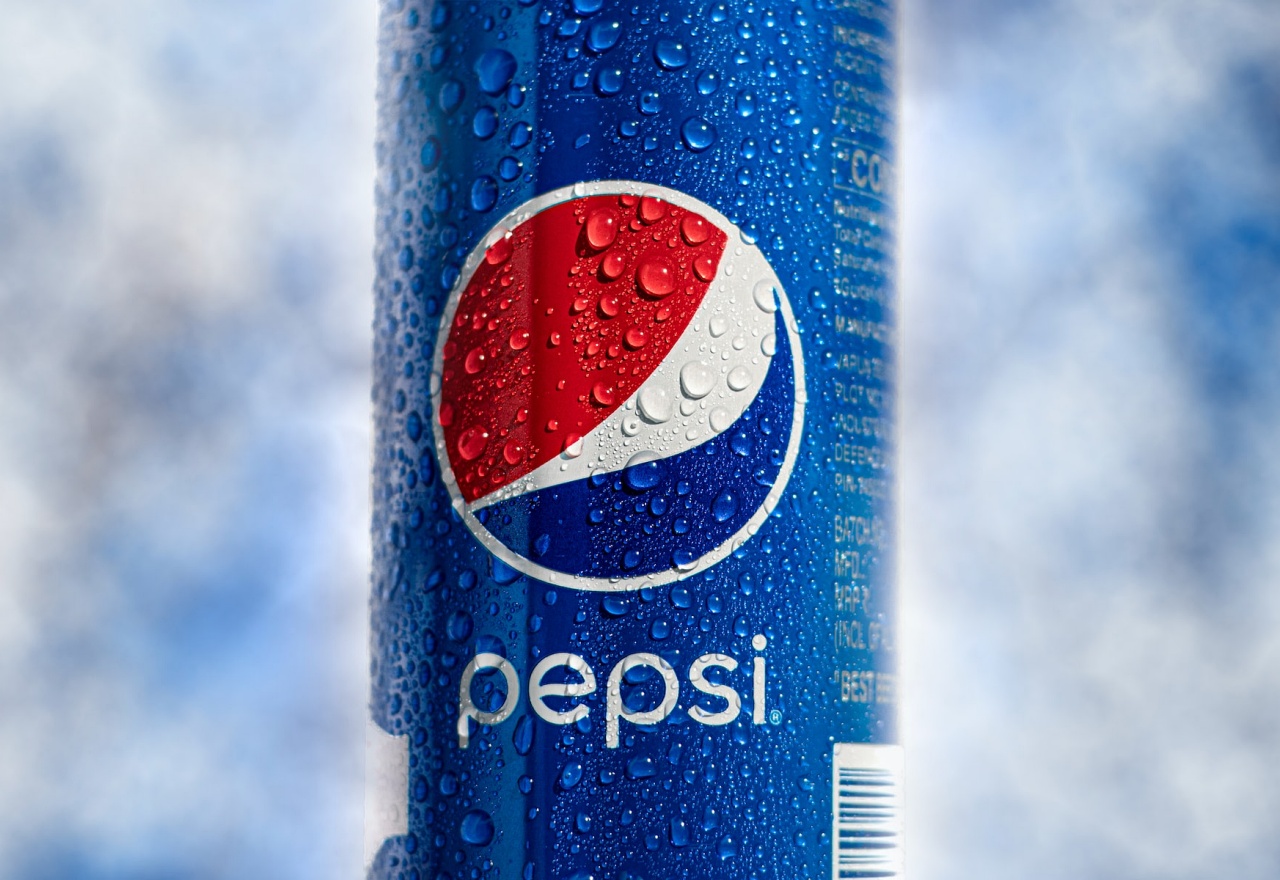
PepsiCo Inc. officially halted the production of its carbonated beverage brands, including Pepsi, Mountain Dew, and 7UP, in Russia. The decision came almost six months after the company promised to stop the sales and manufacturing of its products after Vladimir Putin ordered the invasion of Ukraine in late February this year.
According to Reuters, Pepsico made the announcement after the publication saw many supermarkets, retailers, gyms, and other places in Moscow with cans and bottles of Pepsi beverages bearing the production dates of July and August. Apparently, these were produced in Pepsico's Russian factories.
Reuters further shared that it saw first-hand that the Pepsi products in Russia were produced very recently, and the latest was dated Aug. 17. After the discovery, the American multinational food, snack, and beverage firm sent a statement to the publication. Pepsico informed Reuters that it had already stopped producing concentrates for the production of 7UP, Mirinda, Pepsi Cola, and Mountain Dew in Russia.
In a statement sent to the publication on Sept. 8, PepsiCo's spokesman said, "All concentrates have subsequently been exhausted in Russia and production has ended." It was noted that this short remark was the company's first public comment after stating in March that it would suspend its business activities, including production in the country.
"As many of you know, we have been operating in Russia for more than 60 years, and we have a place in many Russian homes. Pepsi-Cola entered the market at the height of the Cold War and helped create common ground between the United States and the Soviet Union," PepsiCo's chief executive officer, Ramon Laguarta, wrote in a message that was sent to the company's associates at that time.
He added, "However, given the horrific events occurring in Ukraine we are announcing the suspension of the sale of Pepsi-Cola, and our global beverage brands in Russia, including 7Up and Mirinda. We will also be suspending capital investments and all advertising and promotional activities in Russia."
Meanwhile, the spokesperson said that the decision to halt the production is in line with the statements the company gave in March. However, he declined to comment about the sales, and these were halted as well.







