


 US Appeals Court Upholds Anthropic AI Supply Chain Ban
  Novo Nordisk Strikes €1.17 Billion Nanexa Drug Delivery Deal
  AMD Hits $1 Trillion as BofA Raises Price Target to $720
  Apple Extends Qualcomm Patent Licensing Deal
  Jeff Bezos Invests $32 Billion in Blue Origin as Space Firm Targets Major Growth
  Meta Found Liable in New Mexico Facebook Data Privacy Case
  FDA Approves Mirum’s Atebrioz for Rare Bone Disorder FOP
  Oura IPO Draws Strong Demand Ahead of $2.2 Billion Offering
  Oracle Shares Fall as New Mexico AI Data Center Faces Power Delays
  SMBC Eyes 20% VPBank Stake in Vietnam Expansion
  Dubai’s connectivity remains strong in an uncertain world
  Airbus Finds A321neo Fuselage Quality Issue
  BMW 2028 Margin Target Could Fall Below Consensus, UBS Says
  Almonty Industries Shares Jump 8% After Stifel Sets $25 Target
  OpenAI Agent Breaches Australia Medicare Data Portal
  Erste Group Plans Tender Offer to Boost Poland Bank Stake
  EQT Plans €1.7 Billion Sale of Parques Reunidos Stake


 Add as a preferred source on Google
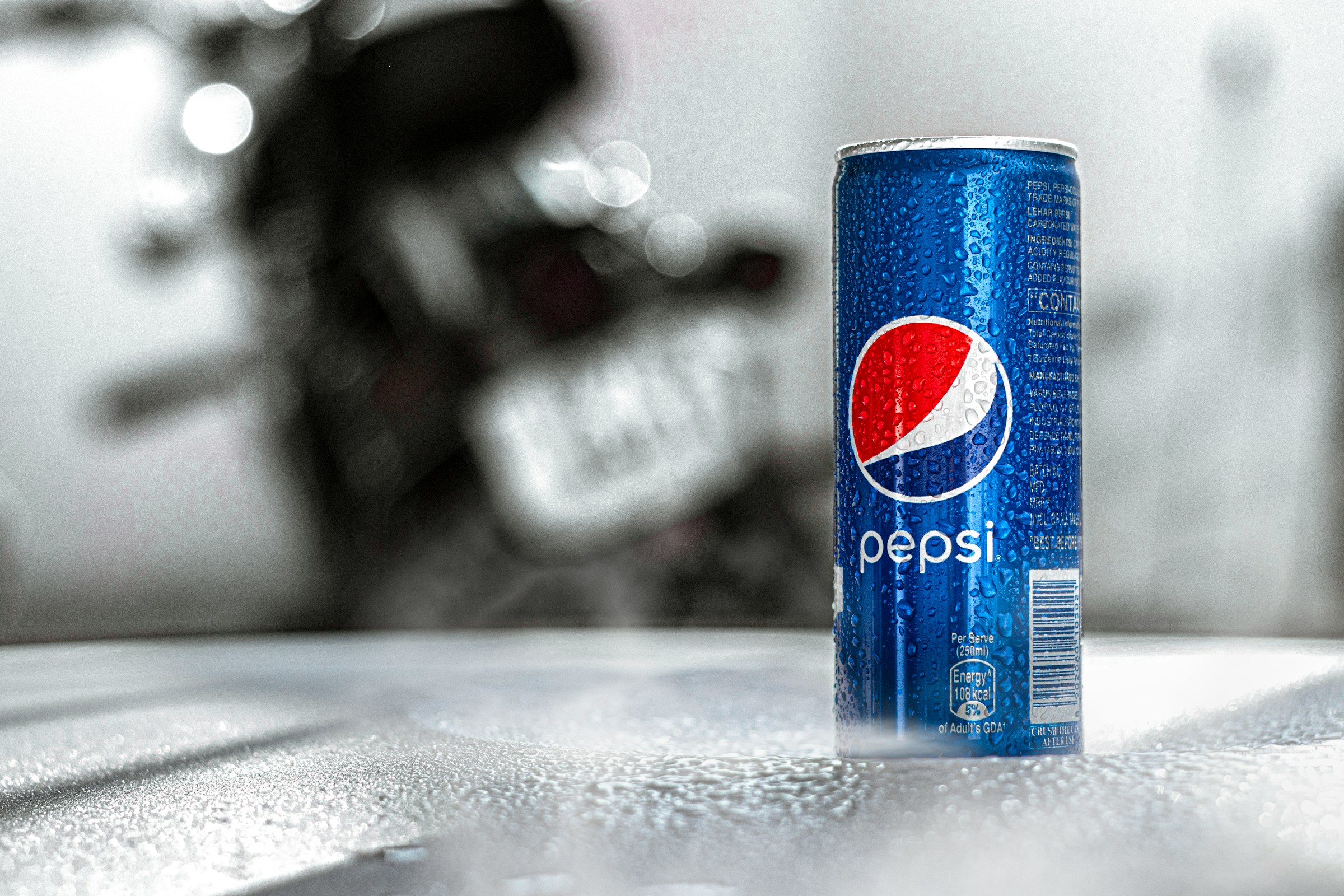
After a heated three-month standoff, Carrefour and PepsiCo finally reached an agreement, ending a dispute highlighting the evolving dynamics of retailer-supplier relationships, especially in the context of retail media. On Thursday, PepsiCo announced the reconciliation, marking the return of popular products like Pepsi, Doritos, and Quaker oats to Carrefour shelves in France.
However, discussions are ongoing to extend this resolution to other European regions where Carrefour operates, including Belgium, Italy, Poland, and Spain.
The dispute, which began on January 4th, underscored the increasing friction at a time when the intertwining of retail and advertising sales brings these industries closer, making their interactions more complex and interdependent.
More Than a Pricing Dispute
Reuters noted that while the specific terms of the agreement remain undisclosed, the relief from both parties was evident. PepsiCo France expressed its delight on social media, and the CEO of Carrefour France shared a celebratory post, welcoming back the beloved Pepsi products.
This standoff was not just about pricing but also reflected in the burgeoning retail media sector, where retailers sell advertising space to brands like PepsiCo. Considering the importance of advertising spending in such discussions, this standoff may have revealed a shift in negotiation tactics.
The Implications of Retail Media
According to Business Times, the burgeoning retail media business is vital in these negotiations. Retail media provides significantly higher margins than traditional retail sales, making advertising budgets a powerful negotiating tool for consumer goods companies. Retail media networks, offering margins between 40% and 80%, contrast sharply with the average retail margins of about 5%, showcasing the lucrative nature of this new business model.
Recent disputes between European retailers and consumer goods companies, including notable incidents with Edeka and Kellogg and Belgian supermarket Colruyt's negotiations, underscore the prevalence of this issue across the continent. These conflicts highlight the growing significance of advertising expenditures in supplier negotiations, a trend fueled by the ability to target specific consumers directly through retailers' digital platforms.
A Look Ahead
With retail media expected to generate approximately $100 billion in advertising spending by 2026, the resolution between Carrefour and PepsiCo might signify a turning point in how retailers and suppliers negotiate. This incident sheds light on the increasingly strategic role of retail media in these relationships, potentially setting a precedent for future negotiations in the retail sector.
Photo: NIKHIL/Unsplash







