


 China Cuts Tariffs on U.S. Farm Goods but Excludes Soybeans
  Japan Warns Markets Over Yen Weakness
  China Industrial Profit Growth Slows as Weak Demand Offsets AI Gains
  Asian Stocks Fall as Bond Yields and Oil Prices Surge
  Asian Currencies Mixed as Yen Weakens, RBA Hike Looms
  Hong Kong Home Prices Stabilize in August After July Decline
  U.S. Stock Futures Steady as AI, Rate Concerns Weigh
  Oil Prices Rise as Iran Holds Firm on Strait of Hormuz Deal
  U.S. Stock Futures Fall as Iran, Oil and AI Risks Rattle Markets
  US Stocks Face Jobs, Inflation Test as Fed Rate Hike Bets Rise
  Gold Slides Below $4,300 as Oil Surge Fuels Fed Rate Hike Bets
  ECB May Stop Rate Hikes After December, Capital Economics Says
  XRP Price Targets $1.70 as Bullish Momentum Builds
  Asian Currencies Weaken as Dollar, Oil Prices Rise
  China, US Extend Trade Truce Through January 10 After Trump-Xi Summit
  Oil Surge Pressures Global Stocks as U.S.-Iran Truce Hopes Fade
  UK Housebuilder Stocks Surge on New First-Time Buyer Loan Scheme


 Add as a preferred source on Google
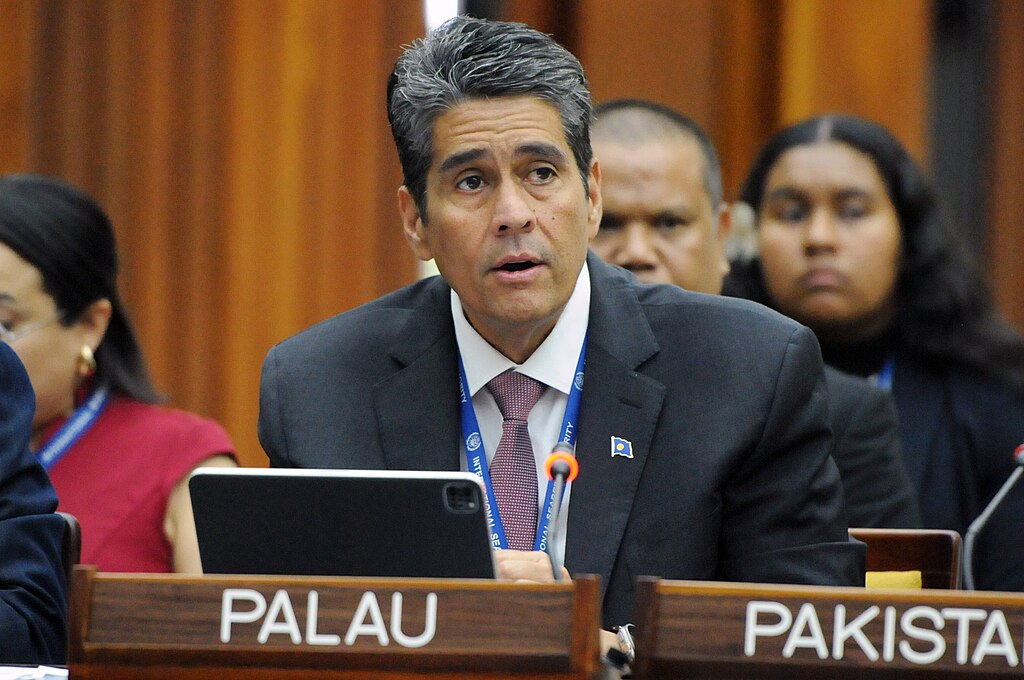
Overview of Palau's Presidential Election
Palau, a Pacific Islands nation vital to U.S. military interests amid rising tensions with China, is holding a national presidential election on Tuesday. President Surangel Whipps Jr. is vying for reelection against his brother-in-law, former president Tommy Remengesau, who actively campaigned by engaging with voters at traffic intersections on Monday.
Key Election Issues
In addition to choosing the president, voters will elect 13 members to the national senate. This election is particularly significant as Palau recently renewed its Compact of Free Association with the U.S., receiving $890 million in economic aid over 20 years in exchange for continued U.S. military access to its territory.
Tax reform has become a central issue, with Remengesau criticizing the current tax structure for favoring large businesses. He has proposed tax incentives aimed at supporting small businesses.
Foreign Relations and Security Concerns
Palau, with a population of 18,000, is strategically located between the Philippines and Guam. The U.S. is currently constructing an over-the-horizon radar system on the island, scheduled for completion in 2026. Palau maintains diplomatic ties with Taiwan, one of only 12 nations to do so. In response to China’s recent actions, including a travel ban on tourists to Palau, Whipps has highlighted the importance of strengthening alliances with Japan and Australia, which now offer direct flights to the island.
Media Freedom and Controversies
The election has also raised concerns about media freedom, following a defamation lawsuit against the Island Times newspaper by Surangel and Sons Co., owned by Whipps family. The lawsuit accuses the paper of spreading unverified social media claims regarding tax payments.
Remengesau emphasized the need to protect Palau's identity from foreign influences during his campaign, although his team did not clarify what those influences were.







