


 US Treasury Yields Near 5% as Oil Fuels Inflation Fears
  BOJ Set to Raise Rates to 1.25% as Inflation Risks Build
  Treasury Buyback Fails to Cool Long-Term Yields
  UK Businesses Urge Government to Cut Electricity Levies
  UK Economy Grows 0.4% in July, Beating Forecasts
  White House Weighs Refined Copper Tariffs as Cost Concerns Grow
  Asian Stocks Fall as AI Fears and Oil Surge Hit Markets
  FxWirePro- Major Pair levels and bias summary
  FxWirePro- Major Crypto levels and bias summary
  FxWirePro- Major Crypto levels and bias summary
  EUR/USD Eyes 1.17 as Fed Decision Could Weigh on Dollar
  Asian Bank Stocks Slide as BofA Warning and Rising Yields Hit Sentiment


 Add as a preferred source on Google
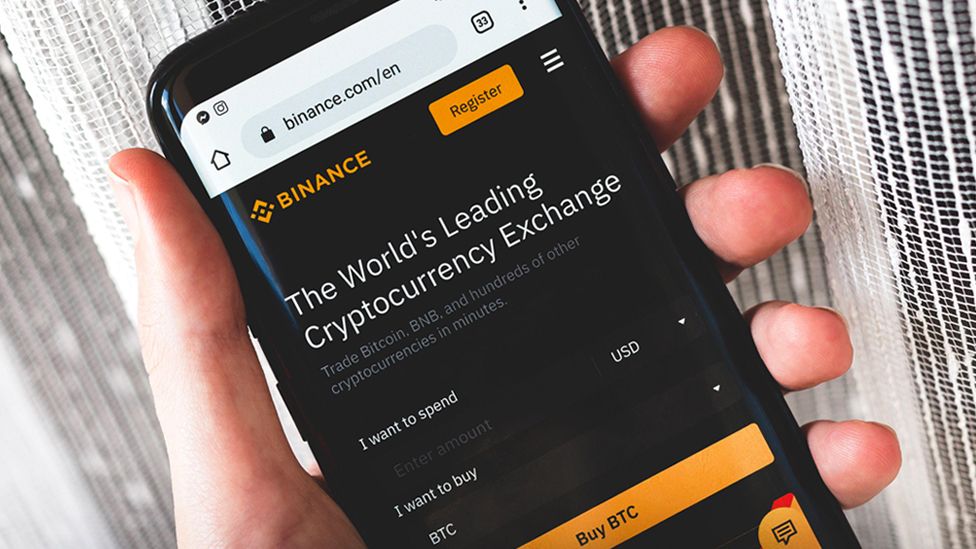
Overseas-based cryptocurrency exchanges, such as Binance, must register with South Korea's anti-money laundering body when using the won currency in serving local customers.
The revised law mandating the registration with the (Korea) Financial Intelligence Unit went into effect in March with a six-month grace period.
From Sept. 25, banks are required to issue real-name accounts under stricter guidelines to prevent money laundering and assess a cryptocurrency exchange's possibility of criminal activity, transparency, and business risks.
The law also mandates that minor cryptocurrency exchanges, estimated at around 100 in Soth Korea, be banned from withdrawing money for cryptocurrency trading absent real-name bank accounts.
Minor cryptocurrency exchanges have been using opaque accounts to lure investors, according to Financial Services Commission Chairman Eun Sung-soo.
South Korean investors have been heavily investing in virtual currency as they see it as a lucrative asset.







