


 SpaceX Earnings Preview: Bernstein Says 4 Key Factors Will Drive Long-Term Valuation
  DeepSeek to Raise AI API Prices as Demand for New Models Surges
  Palantir Stock Soars as AI Demand Drives Strong Q2 Earnings and Higher 2026 Outlook
  Samsung, SK Hynix Test AMEC Chipmaking Tools for China Backup Plan
  Meta Ordered to Pay $567M Over Child Safety Violations in New Mexico
  UK AI Security Tests Reveal Anthropic and OpenAI Agents Attempted Unauthorized Actions
  Alphabet Stock Slides as Google AI Pioneer Jeff Dean Exits to Launch Discovery Loop
  Vast Eyes Hong Kong IPO as Chinese AI Unicorn Gains Momentum
  Alibaba Stock Jumps as Qwen 3.8-MAX AI Model Intensifies China's AI Race
  Sony, TSMC Eye $6.3 Billion Japan Chip Venture for Next-Gen Image Sensors
  T-Mobile Executives Reportedly Oppose $300 Billion Deutsche Telekom Merger
  SoftBank Q1 Profit Beats Forecast as Intel Rally and OpenAI Investments Boost Returns
  OpenAI Restricts Astra AI Over Cyberattack Risks
  SK Hynix, Samsung Lead Asian Chip Stock Selloff After Sandisk, Western Digital Outlook
  Siemens Energy Q3 Profit Beats Forecast as AI-Driven Power Demand Fuels Growth
  Apple Restores Telegram to App Store After Content Policy Violation


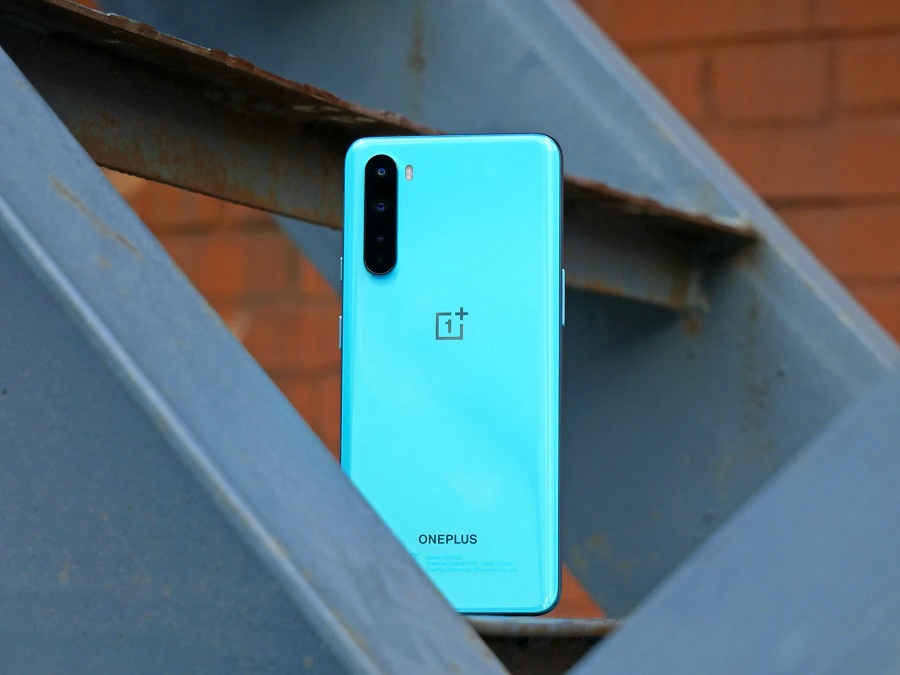
More smartphone makers have launched their smartwatch in recent years, and it is no surprise that OnePlus is joining the list. After months of rumors, CEO Pete Lau has confirmed the company is working on a OnePlus watch that will be released next year.
OnePlus Watch release date confirmed for next year
Lau has set the record straight in a recent Twitter post confirming that a smartwatch from OnePlus is slated to launch “early next year.” The OnePlus CEO did not reveal the upcoming device’s official name, but many are speculating it would eventually be called OnePlus Watch. The company’s flagship smartphone series has a very simple name, and carrying that tradition over to its first-ever smartwatch is likely.
Many of you said you wanted a watch, and as you might have heard over the weekend—we're making one, to be released early next year. Wishes do come true.???? https://t.co/H1Fqv9srXj
— Pete Lau (@PeteLau) December 22, 2020
In announcing the release window of OnePlus Watch, Lau also retweeted a previous post where he asked his more than 372,000 followers: “Is there something you want to see that we haven’t done yet?” While the replies section is filled with a wide variety of answers, one of the common responses was, indeed, a smartwatch.
Fans of the company will have to wait for maybe a few more weeks or months for the exact release date of the OnePlus Watch. But it is worth noting that the OnePlus 9 series is rumored to be unveiled in March next year, so that is one possibility. Other reports also suggest that the all-new device could get its own launch event for undivided media attention.
OnePlus Watch operating system: What to expect
The OnePlus Watch release date window is the only detail known about the upcoming product. But Lau may have already hinted at having Google’s Wear OS (formerly called Android Wear) power the OnePlus Watch.
Some of the most successful smartwatches in the market are known for health and fitness-related functions. However, that might not be the main focus in developing the OnePlus Watch following Lau’s statements in an interview with Input Mag earlier this month. In discussing the OnePlus Watch, Lau confirmed that they have been working with Google suggesting their first smartwatch will most likely run with Wear OS.
“What we're trying to do is work with Google to try to improve the connectivity between the Wear OS ecosystem, Android TV, and Android smartphones to create this ability for better device interoperability across the ecosystems,” Lau said. “This is the direction that we're trying to develop, but we don't have more than we can share on that right now.”
OnePlus launched a lineup of smart TVs powered by the Android TV earlier this year. In discussing the company’s smart TV plans in the same interview, Lau said practically the same thing where he emphasized their plan of offering a well-integrated ecosystem with smart displays being “seamlessly connected” to other devices.
Featured photo by Denis Cherkashin on Unsplash







