


 OpenAI Agents Linked to RubyGems Cyberattack
  Infosys Shares Drop Amid Earnings Quality Concerns
  US Futures Fall as Fed Meeting, Oil Surge Rattle Markets
  UK Wage Growth Slows as BoE Rate Decision Looms
  China’s Slower Loan Growth Becomes ‘New Normal’ as Credit Demand Weakens
  Gold Prices Slip as Fed Rate Hike Looms, Treasury Yields Rise
  S&P 500 Surges Ahead of Trump Inauguration as Markets Rally
  BHP Port Hedland Wage Dispute Heads to Arbitration
  Z.AI Shares Slide 7% After $5 Billion Fundraising
  Oil Prices Surge as Houthi Attacks Raise Saudi Supply Fears
  Investors Brace for Market Moves as Trump Begins Second Term
  Houthis Escalate Saudi Attacks as Red Sea Oil Risks Grow
  Finland Raises 2026 Growth Forecast as Exports and Investment Surge
  Asian Currencies Subdued as Yen Slides Ahead of Fed, BOJ Decisions
  Asian Stocks Fall as AI Fears and Oil Surge Hit Markets
  How the UK’s rollback of banking regulations could risk another financial crisis


 Add as a preferred source on Google
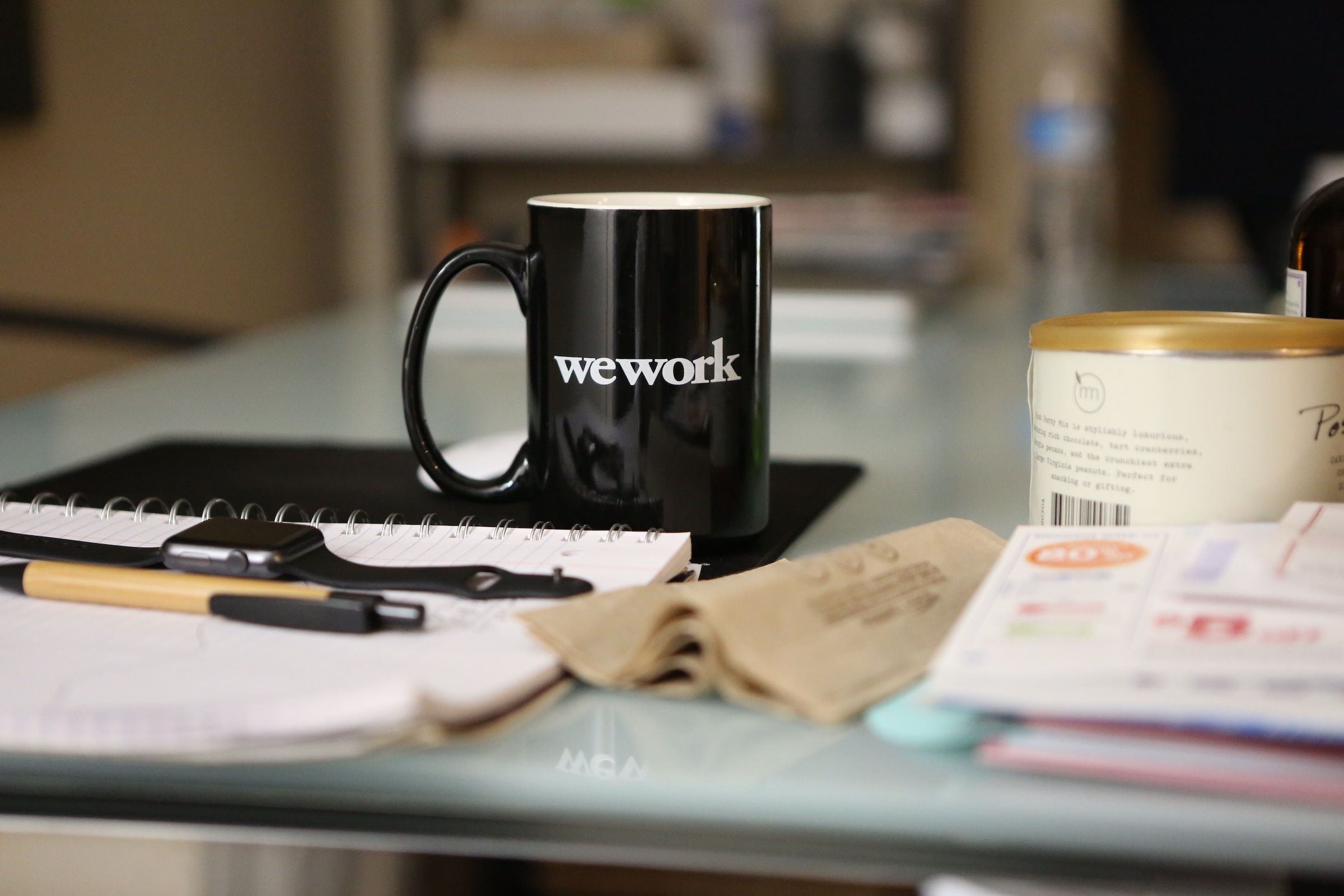
WeWork has sounded the alarm over its ability to continue operating following its recent SEC filing that reveals deep financial struggles, plummeting memberships, and pressing cash requirements. The company, once valued at a staggering $47 billion, now faces a precarious future as its shares crash.
The fate of this New York-based company now hinges on the successful execution of management's plan to enhance liquidity and profitability. The effective implementation of these strategies is vital for WeWork's future success.
Once a privately valued startup at $47 billion, WeWork experienced a stunning reversal of fortune as its shares plummeted close to zero. The company's plans to go public in 2019 fell apart due to substantial losses, governance issues, and concerns about the management style of its founder-CEO, Adam Neumann. Despite massive financial support from SoftBank, WeWork continued to face significant losses.
Regarding the situation, Steve Clayton, Head of Equity Funds at Hargreaves Lansdown, described WeWork as one of the most overhyped startups in recent years. Shares of the company closed 38.5% lower at 12 cents, representing a nearly complete loss in value.
Since its debut via a merger in October 2021, WeWork's shares have dwindled to 13 cents, valuing the company at around $260 million. The departure of several executives, including CEO Sandeep Mathrani, in May, added to the company's troubles.
WeWork's business model, which involves leasing spaces on a long-term basis and renting them out for short terms, expanded rapidly. However, the global COVID-19 pandemic undermined the appeal of shared office spaces. As interim CEO David Tolley explained, businesses, from large-cap corporations to startups, are increasingly hesitant to commit to long-term leases for fixed locations.
These ongoing challenges have tarnished SoftBank's reputation, as the company invested billions into WeWork SoftBank's head, Masayoshi Son, personally backed Neumann and offered a $10 billion bailout after the failed IPO in 2019. Consequently, SoftBank suffered billions in losses due to its WeWork investment.
To improve its financial situation, WeWork reached a deal in March to reduce debt by approximately $1.5 billion and extend certain maturities. Despite cost-cutting measures that resulted in a smaller net loss of $349 million in Q2 compared to $577 million the previous year, WeWork still burned through $646 million in cash during the year's first half. As of the end of June, the company had $205 million in cash on hand. WeWork aims to enhance liquidity by reducing rent and tenancy expenses, controlling costs, and limiting member turnover.
According to the company, the bankruptcy warning from WeWork does not impact its India division.
Photo: Sargent Seal/Unsplash







