


 Gold Prices Fall as Treasury Yields Rise on Fed Rate Hike Bets
  Fed Unveils Stablecoin Rules Under GENIUS Act
  US Stock Futures Fall as Treasury Yields Surge Ahead of Trump-Xi Summit
  US Comfortable With Canada Trade Standoff as Import Bans Loom
  Wall Street Ends Flat as Oil, Treasury Yields and Fed Jitters Rattle Markets
  Oil Prices Jump 3% as Houthi Attack Revives Supply Fears
  Dollar Holds Near Two-Month High as Yen Approaches 160
  Dollar Falls as Oil Eases, Yen Jumps on Intervention Signals
  Australia Unemployment Hits Five-Year High Despite Strong Jobs Growth
  European Stocks Fall as Bond Yields and Geopolitical Risks Weigh
  Fed Unveils Stablecoin Rules Under GENIUS Act
  Oil Prices Ease as Iran Tensions Clash With Diplomacy Hopes
  Asian Stocks Fall as Bond Yields Surge Ahead of Trump-Xi Summit
  Canadian Dollar Faces Pressure as Fed-BoC Policy Gap Widens
  Fed’s Hammack Says Bond Yield Surge Is Not Driven by Inflation Fears
  Asian Currencies Mixed as Dollar Holds Near Two-Month High
  China’s ‘Lipstick King’ Says AI Won’t Replace Livestream Hosts


 Add as a preferred source on Google
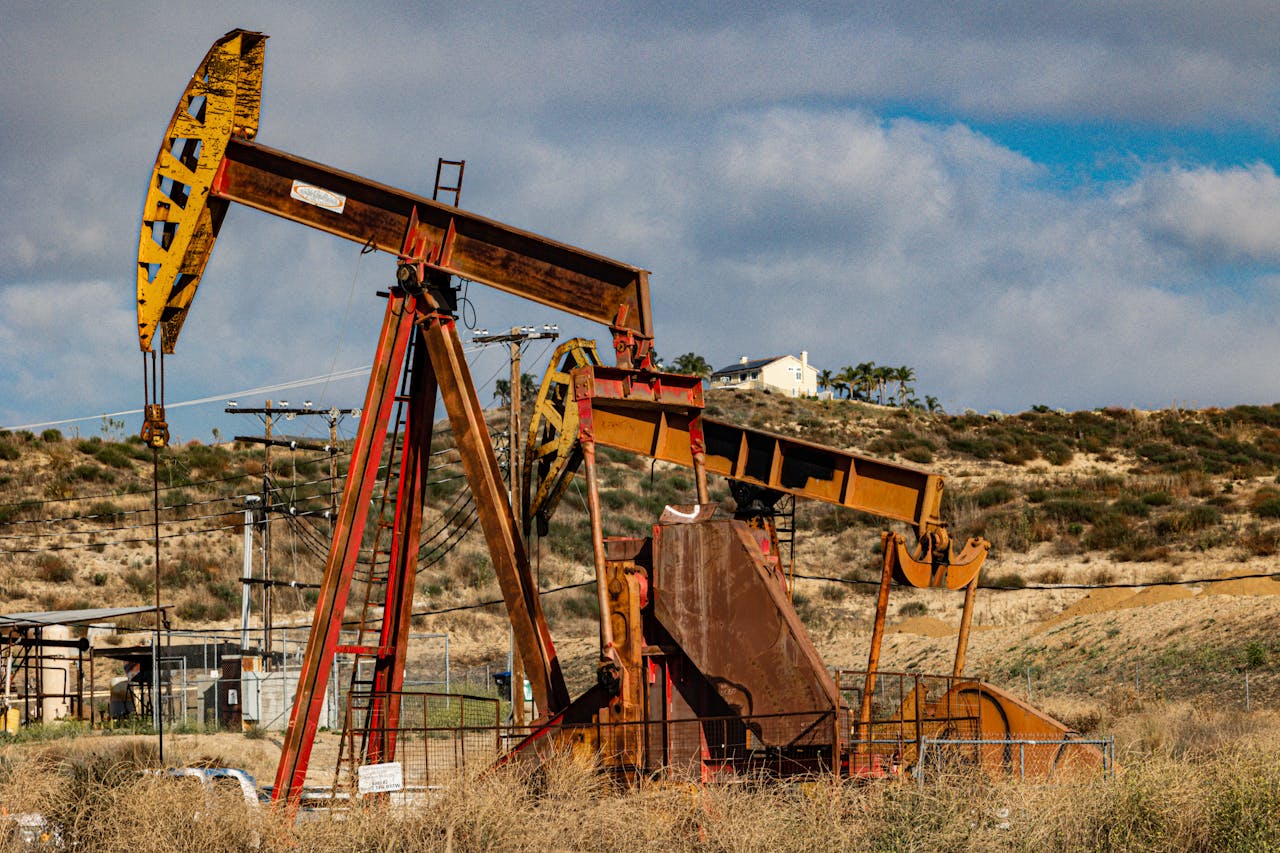
Oil prices held firm in early Tuesday trading, supported by concerns over potential supply disruptions from Russia after Ukrainian drone strikes on its refineries. Brent crude futures inched up 4 cents to $67.48 a barrel at 0000 GMT, while U.S. West Texas Intermediate (WTI) rose 2 cents to $63.32. Both benchmarks had gained in the previous session, with Brent settling 45 cents higher at $67.44 and WTI up 61 cents at $63.30.
Ukraine has intensified attacks on Russia’s energy infrastructure in an effort to weaken Moscow’s war capacity, heightening fears of supply shortages from a country that produces more than 10% of global crude. “Heightened fears of supply disruptions from Russia” are lending support to prices, noted IG market analyst Tony Sycamore.
Adding to the geopolitical risk, Israel launched a ground offensive in Gaza City on Monday, raising fresh concerns over Middle Eastern supply security.
On the economic front, investors are awaiting the U.S. Federal Reserve’s September 16–17 meeting, where a rate cut is widely expected. Lower interest rates could boost economic activity and fuel demand. The U.S. dollar index slipped to a one-week low, further supporting oil prices as a weaker dollar makes crude cheaper for buyers using other currencies.
Meanwhile, U.S. Treasury Secretary Scott Bessent ruled out additional tariffs on Chinese goods to pressure Beijing into reducing Russian oil purchases unless Europe imposed similar duties on China and India. In a separate development, Washington and Beijing reached a framework deal to transition TikTok to U.S. ownership, a rare sign of easing trade tensions. Past improvements in U.S.-China relations have boosted global risk sentiment and supported demand outlooks.
At under 300 words, the article highlights the interplay of geopolitical tensions, central bank policy, and currency shifts in shaping crude oil market sentiment.







