


 U.S. Treasury Yields Surge as 30-Year Hits 22-Year High
  Australia Unemployment Hits Five-Year High Despite Strong Jobs Growth
  Japan Private-Sector Growth Slows as Domestic Demand Weakens
  Asian Stocks Fall as Bond Yields Surge Ahead of Trump-Xi Summit
  Wall Street Falls as Treasury Yields Surge, Oil Rebounds on Iran Tensions
  US Stock Futures Fall as Treasury Yields Surge Ahead of Trump-Xi Summit
  China’s ‘Lipstick King’ Says AI Won’t Replace Livestream Hosts
  Fed Unveils Stablecoin Rules Under GENIUS Act
  Dollar Holds Near Two-Month High as Yen Approaches 160
  Asian Stocks Fall as Surging Bond Yields Rattle Markets
  Gold Holds Near $4,275 as Rising Treasury Yields Fuel Fed Rate Hike Bets
  Trump, Xi Focus on Trade and AI at White House Summit
  Japanese Bank Stocks Surge as Bond Yields Fuel Rate Hike Bets
  Russian Envoy Dmitriev Heads to US for Ukraine Talks
  RBI Uses $10 Billion Currency Swaps to Drain Excess Rupee Liquidity
  Oil Prices Ease as Iran Tensions Clash With Diplomacy Hopes
  Oil Prices Jump 3% as Houthi Attack Revives Supply Fears


 Add as a preferred source on Google
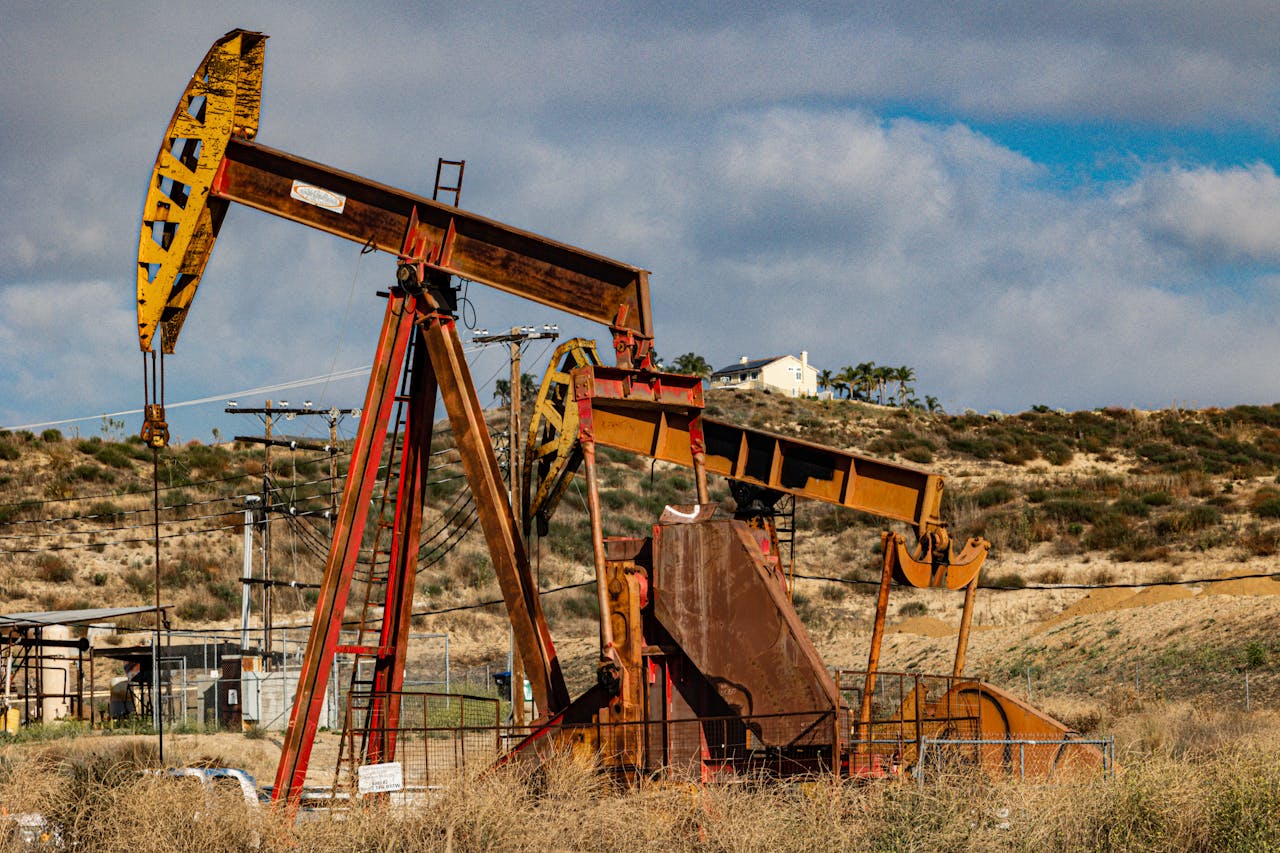
Global oil prices edged lower on Tuesday even as a massive winter storm disrupted crude oil production and refinery operations across the United States, highlighting the market’s focus on broader demand concerns and supply expectations. Brent crude futures fell by 28 cents, or 0.4%, to $65.31 per barrel in early Asian trading, while U.S. West Texas Intermediate (WTI) crude declined 24 cents, or 0.4%, to $60.39 per barrel.
Severe winter weather sweeping across the United States over the weekend significantly strained energy infrastructure, forcing oil producers to shut in as much as 2 million barrels per day, or roughly 15% of total U.S. oil output, according to analysts and traders. In addition to upstream disruptions, several refineries along the U.S. Gulf Coast reported operational issues linked to freezing temperatures, raising concerns about short-term fuel supply disruptions. Analysts noted that refinery outages can sometimes offset the bullish impact of reduced crude production by lowering near-term crude demand.
Despite these supply-side challenges, oil prices remained under pressure, suggesting that traders are weighing broader macroeconomic factors and future supply expectations more heavily. Daniel Hynes, an analyst at ANZ, said that while supply risks remain, they have not fully translated into sustained price gains.
Geopolitical tensions also remained in focus after a U.S. aircraft carrier and supporting warships arrived in the Middle East, according to U.S. officials. The deployment expands President Donald Trump’s ability to defend U.S. forces in the region and potentially respond to escalating tensions with Iran. Persistent Middle East tensions continue to represent a key upside risk for global oil markets.
Meanwhile, the Organization of the Petroleum Exporting Countries and its allies, known collectively as OPEC+, are expected to maintain their pause on oil output increases for March. Eight OPEC+ members, including Saudi Arabia, Russia, the United Arab Emirates, Kazakhstan, Kuwait, Iraq, Algeria, and Oman, are set to meet on February 1. Sources indicated that recent price support has been aided by a drop in Kazakhstan’s oil production, reinforcing expectations that OPEC+ will prioritize market stability in the near term.







