


 Oil Prices Jump 3% as Houthi Attack Revives Supply Fears
  China’s ‘Lipstick King’ Says AI Won’t Replace Livestream Hosts
  Japan Private-Sector Growth Slows as Domestic Demand Weakens
  Fed Unveils Stablecoin Rules Under GENIUS Act
  Fed Unveils Stablecoin Rules Under GENIUS Act
  Wall Street Ends Flat as Oil, Treasury Yields and Fed Jitters Rattle Markets
  U.S. Treasury Yields Surge as 30-Year Hits 22-Year High
  US, China Extend Trade Truce to Jan. 10 Ahead of Trump-Xi Summit
  Wall Street Falls as Treasury Yields Surge, Oil Rebounds on Iran Tensions
  Mexico-US Trade Talks Delayed to October as Tariff Negotiations Continue
  Soybean Futures Slip as Traders Await Trump-Xi Trade Signals
  Asian Stocks Fall as Bond Yields Surge Ahead of Trump-Xi Summit
  Trump, Xi Focus on Trade and AI at White House Summit
  Australia Unemployment Hits Five-Year High Despite Strong Jobs Growth
  South Korea, US Discuss Warship Building Cooperation
  Asian Currencies Mixed as Dollar Holds Near Two-Month High


 Add as a preferred source on Google
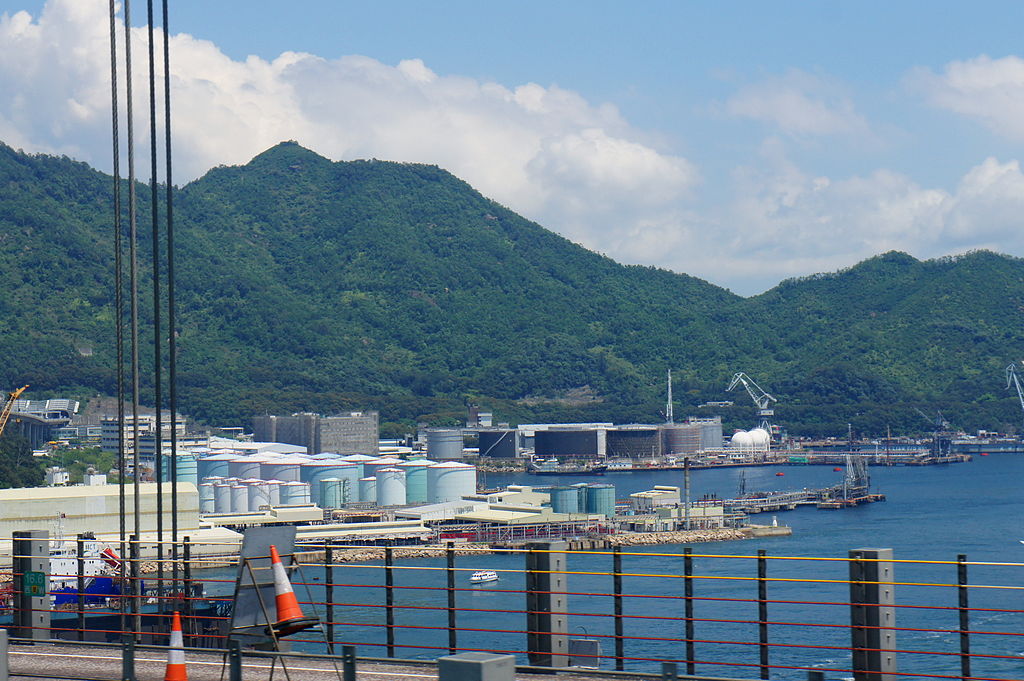
Oil prices declined during early Asian trading on Tuesday after U.S. President Donald Trump announced a delay in a planned military strike against Iran, signaling that diplomatic negotiations were still underway. The development eased immediate fears of a broader Middle East conflict and reduced concerns over global oil supply disruptions.
West Texas Intermediate (WTI) crude futures for July delivery dropped 1.8% to $102.47 per barrel after opening more than 2% lower. Brent crude futures also moved lower as traders reacted to the latest geopolitical developments involving Iran, the United States, and key oil shipping routes.
The decline in crude oil prices followed comments from Trump stating that “serious negotiations” with Iran were ongoing. According to reports, Gulf nations urged the U.S. administration to postpone military action to prevent further instability across the region. However, Trump warned that the United States could still launch a “full, large-scale assault” if talks failed and reiterated that Iran must not obtain nuclear weapons.
Oil markets have remained highly volatile in recent weeks as tensions between Iran, Israel, and the U.S. intensified. Concerns over disruptions in the Strait of Hormuz, a critical global oil transit route responsible for roughly 20% of worldwide crude shipments, had previously pushed oil prices sharply higher.
Additional pressure on crude prices came after the U.S. Treasury extended a 30-day sanctions waiver allowing continued purchases of Russian seaborne oil. The waiver is expected to help stabilize global energy supplies, particularly for major Asian importers such as China and India, which have faced supply challenges linked to the Iran conflict.
Despite Tuesday’s pullback, analysts believe geopolitical risks in the Middle East will continue to influence oil price movements and global energy markets throughout 2026.







