


 Asian Markets Rally as Micron and Qualcomm AI Outlook Lifts Global Tech Stocks
  Wall Street Ends Mixed as Micron Surges, Apple Drops After Price Hikes
  S&P Affirms Brazil’s BB Credit Rating with Stable Outlook Amid Fiscal Challenges
  Asian Currencies Trade Mixed as Yen Hovers Near 40-Year Low, Dollar Holds Firm on Fed Outlook
  Gold Prices Rise Above $4,000 as Inflation Data and Weaker Dollar Boost Demand
  Gold Drops Below $4,000 as Strong US Dollar and Fed Rate Hike Expectations Pressure Bullion
  Oil Prices Drop as Strait of Hormuz Shipping Recovers
  Trump Threatens 100% Tariffs on Countries Imposing Digital Services Taxes on U.S. Tech Firms


Things are strange, at least for Norges Bank. While other G10 central banks have to cope with (too) low inflation and relatively healthy growth, Norges Bank has to deal with (too) high inflation and (too) low growth. Today's GDP data for the second quarter will once again underline this problem.
With oil and gas being main pillars of growth, the Norwegian economy is suffering particularly strongly from the oil price slide. At the same time, hydropower is one of the most important sources of energy in Norway, which is why the low oil prices do not dampen inflation as much as in other countries.
And finally, manufacturing has not taken the necessary measures to increase competitiveness due to the oil boom of the last few years. That is why the mainland economy is unable to buffer the dip in the oil and gas sector.
"While the economic slowdown is an argument for another rate cut, the uptrend in inflation sets the bar high. Moreover, low interest rates threaten to push economic imbalances like a real-estate bubble", says Commerzbank.
Norges Bank will rely on a weak krone to improve the price competitiveness of Norwegian companies and support the necessary structural economic and labour market adjustments. In fact, the news on this score are encouraging, EUR-NOK has broken the 9.24 level and might break through 9.25 it if the GDP data for the second quarter disappoint the markets today.

- News

- Economy

- Central Banks
- Investing
- Research
- Roundups
- Digital Currency
- Insights
- Technical Analysis
- Technology
- Business
- Law
- Health
- Nature
- Fintech
- Science
- Topic
- Opinions
- ©Econometrics LLC . All Rights Reserved.
Norwegian economy continues to suffer
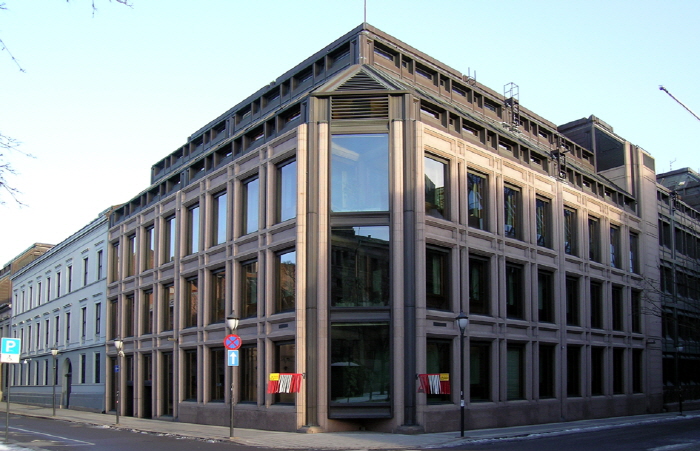
Norges Bank headquarters, Bankplassen 2, Oslo
Thursday, August 20, 2015 7:20 AM UTC
Editor's Picks



- Market Data
Most Popular




