


 Thousands of satellites are due to burn up in the atmosphere every year – damaging the ozone layer and changing the climate
  Trump Backs Nexstar–Tegna Merger Amid Shifting U.S. Media Landscape
  How to create a thriving forest, not box-checking ‘tree cover’
  Gold Prices Slide Below $5,000 as Strong Dollar and Central Bank Outlook Weigh on Metals
  South Korea Assures U.S. on Trade Deal Commitments Amid Tariff Concerns
  Trump Lifts 25% Tariff on Indian Goods in Strategic U.S.–India Trade and Energy Deal
  Singapore Budget 2026 Set for Fiscal Prudence as Growth Remains Resilient
  Fertile land for growing vegetables is at risk — but a scientific discovery could turn the tide
  Rio Tinto Shares Hit Record High After Ending Glencore Merger Talks
  TrumpRx Website Launches to Offer Discounted Prescription Drugs for Cash-Paying Americans
  CK Hutchison Launches Arbitration After Panama Court Revokes Canal Port Licences
  Baidu Approves $5 Billion Share Buyback and Plans First-Ever Dividend in 2026
  Lake beds are rich environmental records — studying them reveals much about a place’s history
  U.S. Stock Futures Slide as Tech Rout Deepens on Amazon Capex Shock
  OpenAI Expands Enterprise AI Strategy With Major Hiring Push Ahead of New Business Offering


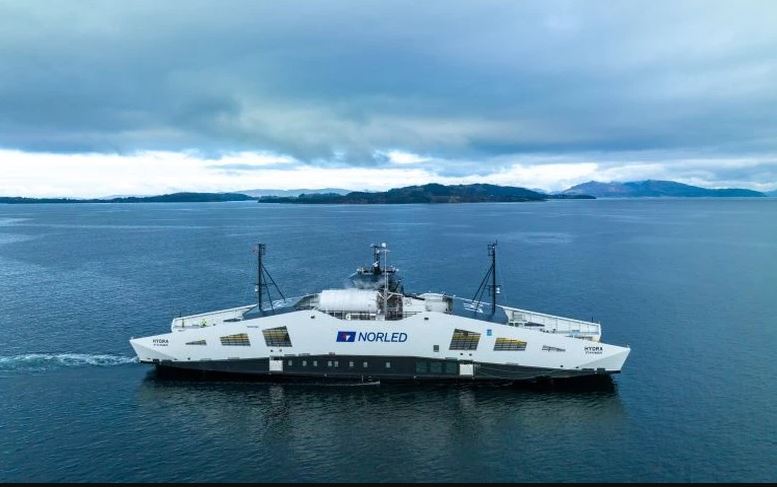
Norway started operating the MF Hydra ferry as the world's first ship running on liquid hydrogen.
According to Erlend Hovland, chief technology officer of Norled, a Norwegian ferry operator, they have conducted a lot of development and testing and are now looking forward to welcoming passengers on board for a zero-emission journey between Hjelmeland and Nesvik.
Norled led the project to develop the technology for MF Hydra, while Linde Engineering of Germany supplied the hydrogen systems on board, and Danish Ballard developed the fuel cells that produce electricity from hydrogen.
The development of new technology was enabled by the Norwegian Public Roads Administration (NPRA).
Norled noted that its pilot project in Hjelmeland is important for global shipping as liquid hydrogen could have a key role in the green maritime transition.













