


 Palantir Stock Soars as AI Demand Drives Strong Q2 Earnings and Higher 2026 Outlook
  SanDisk Q4 Earnings Beat Estimates as Q1 Revenue Outlook Meets Expectations
  FxWirePro- Major Crypto levels and bias summary
  FxWirePro- Major Crypto levels and bias summary
  Samsung, SK Hynix Test AMEC Chipmaking Tools for China Backup Plan
  UK AI Security Tests Reveal Anthropic and OpenAI Agents Attempted Unauthorized Actions
  Apple Restores Telegram to App Store After Content Policy Violation
  Roblox Stock Drops 16% as Q3 Bookings Forecast Misses Expectations
  T-Mobile Executives Reportedly Oppose $300 Billion Deutsche Telekom Merger


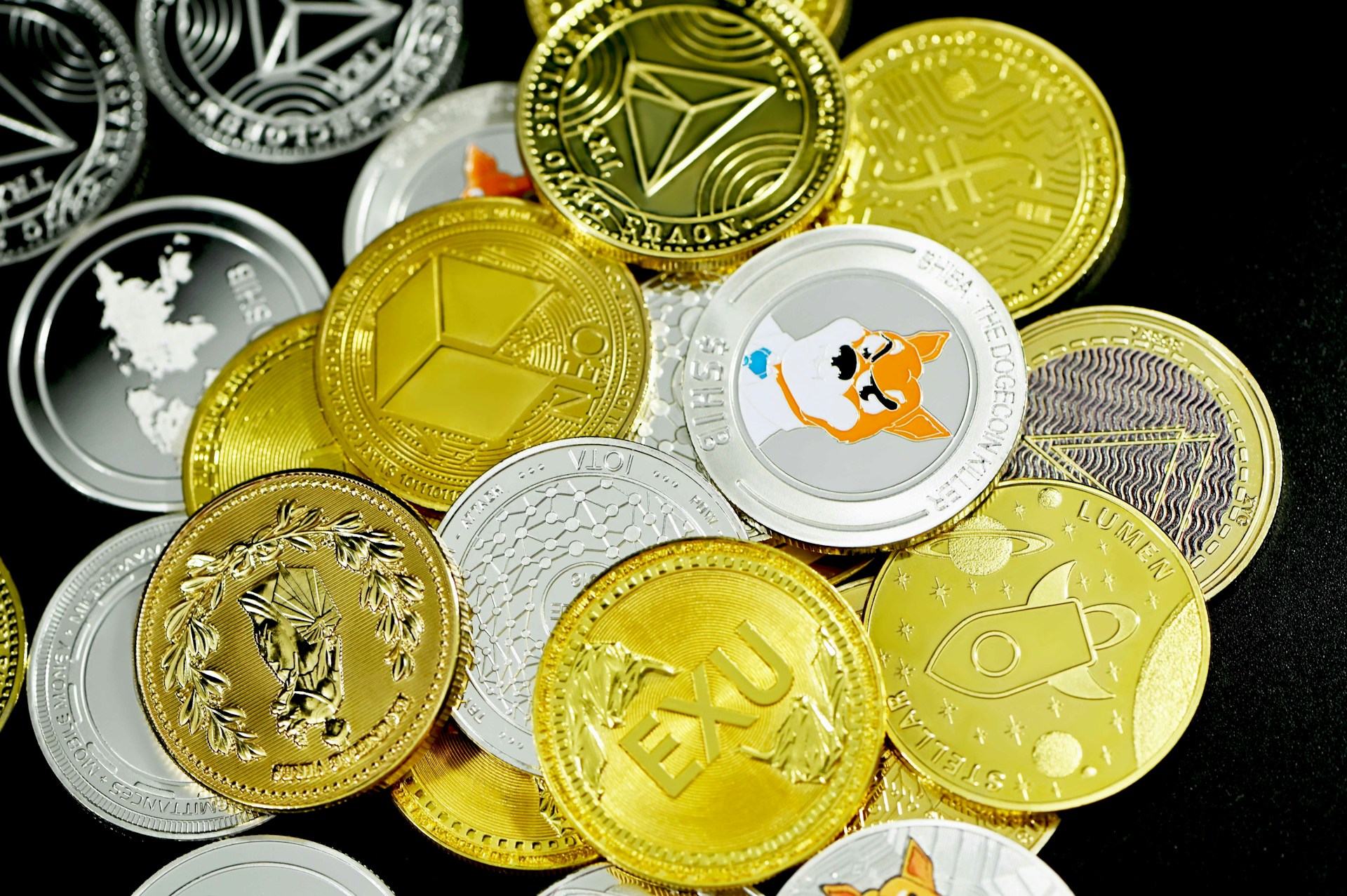
The United Nations (UN) Security Council has released a report revealing that cyberattacks account for 50% of North Korea's foreign exchange earnings. The council is also looking into involvement in cyberattacks against cryptocurrency companies, which reportedly resulted in losses of around $3 billion (450 billion yen).
North Korea's Cyberattacks Target Cryptocurrencies
North Korea primarily conducts cyberattacks by compromising digital wallet private keys and seed phrases, critical to wallet security. These breaches result in transferring victims' assets to North Korean-controlled wallets, which are frequently exchanged for USDT or Tron and then converted to fiat currency via high-volume OTC brokers.
Hackers linked to North Korea stole at least $600 million in cryptocurrency in 2023. If confirmed to be North Korean, additional hacks in the year's final days could bring the total to around $700 million. Despite a 30% drop from $850 million in 2022, the Democratic People's Republic of Korea (DPRK) accounted for nearly one-third of all funds stolen in crypto attacks last year.
Attacks attributed to the DPRK were ten times more destructive than those unrelated to the country. Since 2017, Pyongyang-linked threat actors have caused nearly $3 billion in cryptocurrency losses.
Hackers Allegedly Fund Nuclear Programs
North Korean hackers are alleged to be using the stolen cryptocurrency to fund their nuclear weapons programs. Since its first nuclear test in 2006, North Korea's financial resources for nuclear development have been targeted by the United Nations.
In its report, the UN Panel of Experts stated that it will review sanctions enforcement against North Korea from July 2023 to January 2024, focusing on evasion tactics. The findings will assist the Security Council in determining new sanctions against violators.
According to the report, cyberattacks fund approximately 40% of North Korea's weapons of mass destruction development costs. There has been an increase in cyberattacks on defense-oriented firms, with entities linked to North Korea's Reconnaissance General Directorate pooling resources and cyber tools.
The panel's investigations also looked into the possibility of Hamas using North Korean weaponry, a claim backed up by Israel, which claims Hamas has dozens of North Korean missiles and anti-tank weapons. On the other hand, North Korea denies these allegations, calling them baseless.
Despite sanctions aimed at curbing North Korea's nuclear program by limiting funds and banning trade, North Korea continues to import prohibited petroleum products and export luxury goods, with trade volumes in 2023 exceeding those in 2022, indicating persistent sanctions evasion.
Photo: Kanchanara/Unsplash







