


 SpaceX Updates Starlink Privacy Policy to Allow AI Training as xAI Merger Talks and IPO Loom
  Sony Q3 Profit Jumps on Gaming and Image Sensors, Full-Year Outlook Raised
  Nintendo Shares Slide After Earnings Miss Raises Switch 2 Margin Concerns
  Nvidia CEO Jensen Huang Says AI Investment Boom Is Just Beginning as NVDA Shares Surge
  Google Cloud and Liberty Global Forge Strategic AI Partnership to Transform European Telecom Services
  Instagram Outage Disrupts Thousands of U.S. Users
  SoftBank Shares Slide After Arm Earnings Miss Fuels Tech Stock Sell-Off
  SpaceX Reports $8 Billion Profit as IPO Plans and Starlink Growth Fuel Valuation Buzz
  Sam Altman Reaffirms OpenAI’s Long-Term Commitment to NVIDIA Amid Chip Report
  Nvidia Nears $20 Billion OpenAI Investment as AI Funding Race Intensifies
  Anthropic Eyes $350 Billion Valuation as AI Funding and Share Sale Accelerate
  SpaceX Prioritizes Moon Mission Before Mars as Starship Development Accelerates
  Tencent Shares Slide After WeChat Restricts YuanBao AI Promotional Links
  SoftBank and Intel Partner to Develop Next-Generation Memory Chips for AI Data Centers
  Nvidia Confirms Major OpenAI Investment Amid AI Funding Race
  Nvidia, ByteDance, and the U.S.-China AI Chip Standoff Over H200 Exports


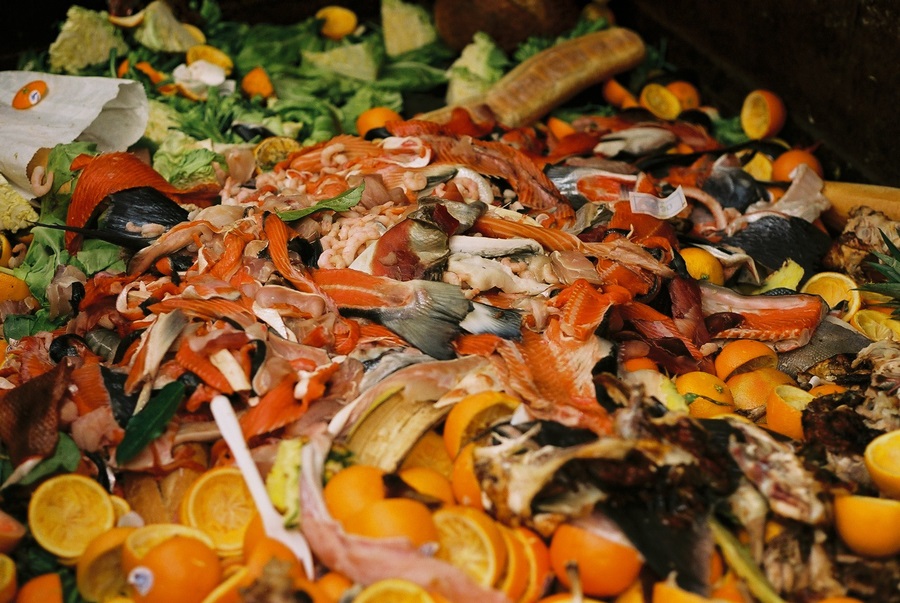
A non-profit company is trying to leverage the advantages of blockchain to help reduce the amount of food wasted by people on a yearly basis. It is estimated that 133 billion pounds of food is wasted by Americans annually, food that could’ve been given to the destitute struggling to make ends meet.
There’s also the fact food waste worsens methane emissions, accounting for 27 percent of landfills and accelerating the drastic effects brought about by climate change. According to data collected by the Natural Resources Defense Council, the production, relocation, and removal of uneaten goods cost the industry $218 billion annually.
Startup Goodr aims to mitigate all of these by using blockchain. This company has been operating since January 2017, helping the food industry in Atlanta package leftovers and transfer them to local charities through the company’s app, according to CNBC.
The blockchain technology helps Goodr by providing data storage, specifically information regarding how much food is being wasted by certain businesses and what particular area might be costing them money. Moreover, the company also tracks the most frequent food that is being wasted and its effect on the environment, as well as provide connections to the local community for the relocation of surplus food.
Jasmine Crowe, founder and CEO of Goodr, said that food businesses can arrange for pick-ups and monitor shipment of their leftovers, making sure that they are indeed going to the right locations. Crowe admitted that their movement holds a special place in her heart after she witnessed one of her friends struggling with food security.
"Having experienced that first hand really shifted perspective for me, because for years I was feeding members of our homeless community," Crowe said. "I didn't understand that the face of hunger was readily changing."
This isn’t the first time that blockchain has been used to lend a helping hand to the unfortunate. The U.K. and Australia are currently developing a blockchain-centered welfare system to ensure that the homeless are getting the help they need to get back on their feet.
The system is designed to track fund allocations, as well as ensure that the destitute are indeed spending government money on basic necessities and not on frivolous things. If the system does notice that a certain homeless person is spending their funding on say, alcohol, the government can then send a professional to help that person curb their addiction.













