


 Sony Q3 Profit Jumps on Gaming and Image Sensors, Full-Year Outlook Raised
  SoftBank Shares Slide After Arm Earnings Miss Fuels Tech Stock Sell-Off
  Nvidia Confirms Major OpenAI Investment Amid AI Funding Race
  SpaceX Updates Starlink Privacy Policy to Allow AI Training as xAI Merger Talks and IPO Loom
  Amazon Stock Rebounds After Earnings as $200B Capex Plan Sparks AI Spending Debate
  Nvidia CEO Jensen Huang Says AI Investment Boom Is Just Beginning as NVDA Shares Surge
  Tencent Shares Slide After WeChat Restricts YuanBao AI Promotional Links
  Instagram Outage Disrupts Thousands of U.S. Users
  AMD Shares Slide Despite Earnings Beat as Cautious Revenue Outlook Weighs on Stock
  SpaceX Reports $8 Billion Profit as IPO Plans and Starlink Growth Fuel Valuation Buzz
  Nvidia, ByteDance, and the U.S.-China AI Chip Standoff Over H200 Exports
  Global PC Makers Eye Chinese Memory Chip Suppliers Amid Ongoing Supply Crunch
  SoftBank and Intel Partner to Develop Next-Generation Memory Chips for AI Data Centers
  Oracle Plans $45–$50 Billion Funding Push in 2026 to Expand Cloud and AI Infrastructure
  Jensen Huang Urges Taiwan Suppliers to Boost AI Chip Production Amid Surging Demand
  Elon Musk’s SpaceX Acquires xAI in Historic Deal Uniting Space and Artificial Intelligence


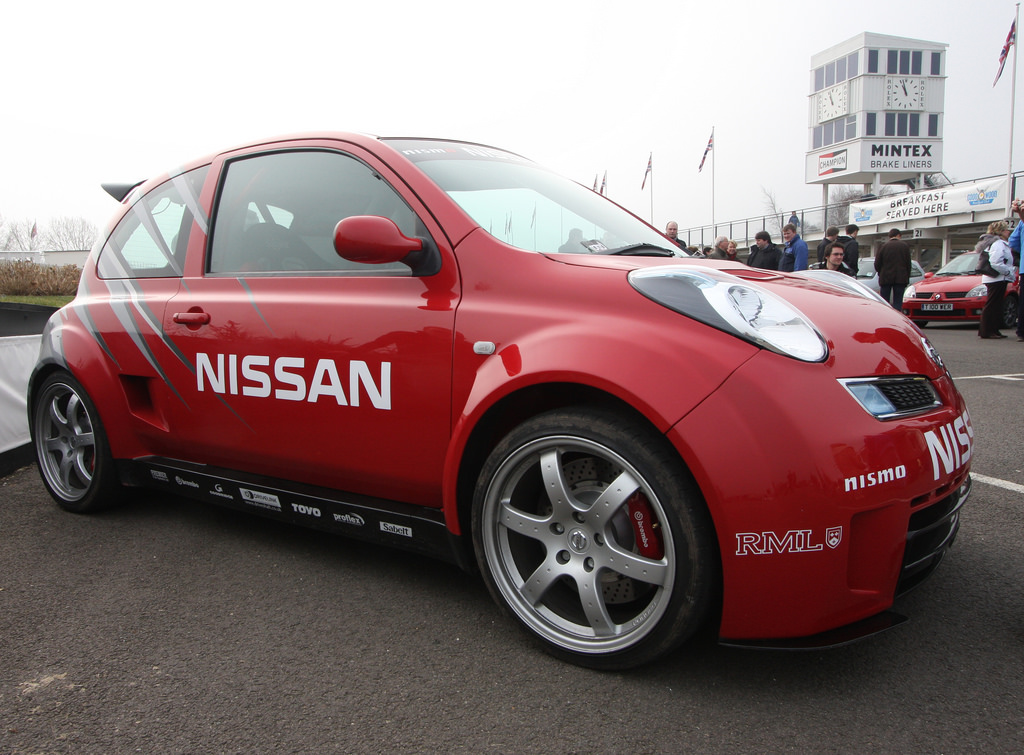
Most drivers control their cars with a combination of their arms and legs, which are admittedly controlled by the brain. It seems this arrangement is a bit too outdated for Nissan, which is experimenting with the concept of letting people control vehicles directly with their thoughts. Rather than supplant self-driving technology, this could supplement it and make the interaction more efficient.
The experimental technology in question is called “Brain-to-Vehicle” (B2V) and it works by basically interpreting the driver’s thought patterns, and then feeding that information to the car, Bloomberg reports. Through a skullcap armed with intricate sensors, the driver can potentially control things like acceleration, steering, and even braking.
From a theoretical standpoint, this would make driving a lot more efficient since it takes a while before the brain’s signal reaches the arms and legs, which would then initiate actions. Reaction time would be faster with the driver’s brain directly controlling the car.
By keeping the driver involved in some capacity, this kind of arrangement is also a useful way to preserve the pleasure of driving that a lot of people feel. What’s more, the difference is practically imperceptible to drivers while making reactions up to 0.5 seconds faster.
While some companies like Google and Tesla are making headways into removing humans from the driving equation, firms like Toyota and BMW are adamant in producing cars for human drivers. In the case of Nissan, it’s basically a mix of both. The human can take over if they want to, but if there is a need for it, the car’s autonomous functionality can also be the main player.
As Digital Trends notes, B2V technology could also affect the comfort levels of the drivers. If the car senses that the driver is feeling nauseated or uncomfortable in any way, even if the drivers themselves don’t realize it, the car can make the appropriate changes.













