


 Russian Envoy Dmitriev Heads to US for Ukraine Talks
  US Stock Futures Fall as Treasury Yields Surge Ahead of Trump-Xi Summit
  US 10-Year Treasury Yield at 6% Emerges as New Market Risk Threshold
  Soybean Futures Slip as Traders Await Trump-Xi Trade Signals
  Dollar Hits Two-Month High as Fed Rate Hike Bets Rise
  European Stocks Slip as Iran Tensions Offset Strong Eurozone Data
  US Dollar Hits Two-Month High as Fed Rate Hike Bets Rise
  Asian Stocks Fall as Bond Yields Surge Ahead of Trump-Xi Summit
  Australia Unemployment Hits Five-Year High Despite Strong Jobs Growth
  Trump, Xi Focus on Trade and AI at White House Summit
  Gold Drops Over 1% as Dollar, Treasury Yields Surge on Fed Rate Hike Bets
  European Stocks Fall as Bond Yields and Geopolitical Risks Weigh
  Wall Street Falls as Treasury Yields Surge, Oil Rebounds on Iran Tensions
  U.S. 10-Year Treasury Yield Hits 2007 High as Fed Rate Hike Bets Rise
  South Korea, US Discuss Warship Building Cooperation
  Japan Private-Sector Growth Slows as Domestic Demand Weakens


 Add as a preferred source on Google
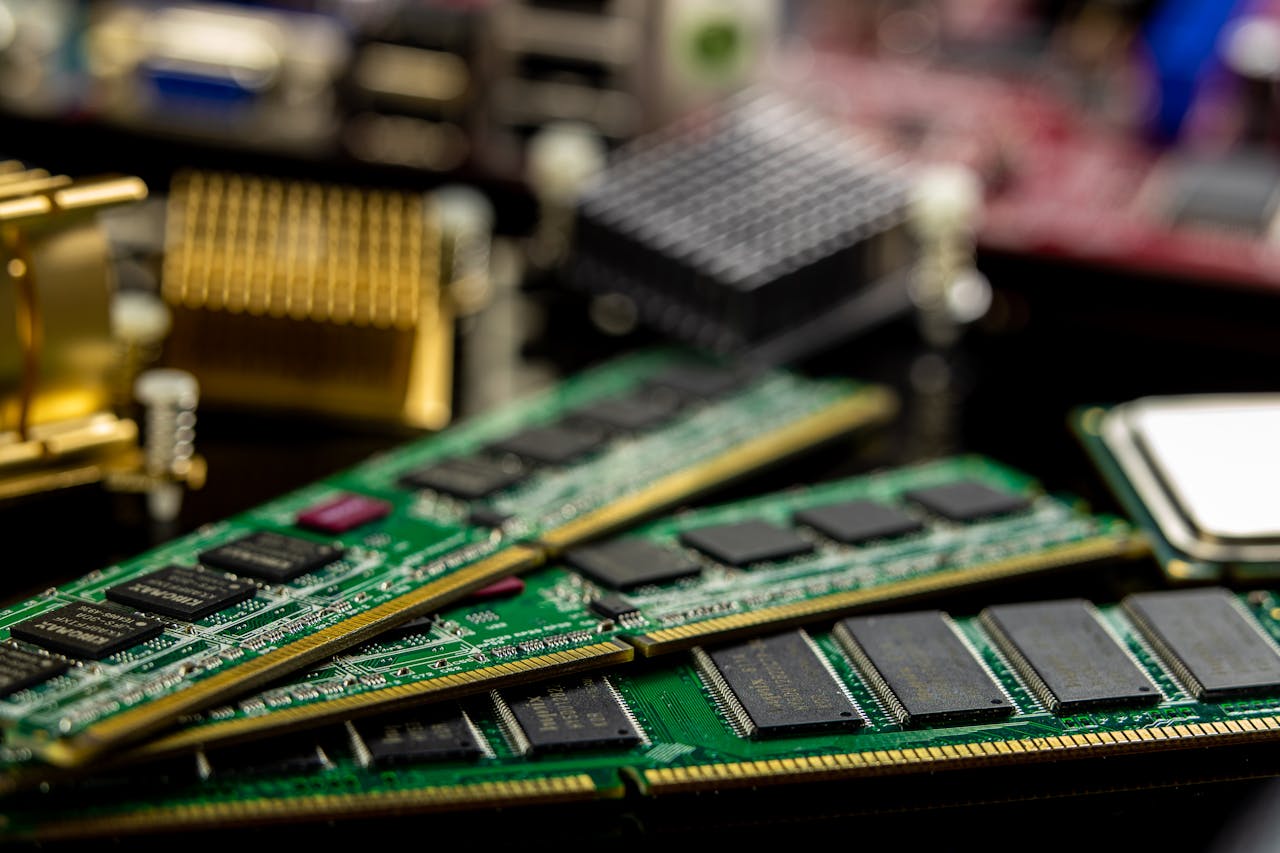
Japan’s Nikkei 225 tumbled more than 5% on Friday, falling to its lowest level since June 11 as a global selloff in artificial intelligence (AI) and semiconductor stocks intensified. The decline mirrored heavy overnight losses on Wall Street, where investors continued to reduce exposure to high-flying AI-related companies amid valuation concerns and rising geopolitical risks.
Technology stocks led the losses in Japan. Memory chipmaker Kioxia Holdings plunged more than 16%, marking one of its sharpest declines in months, while Murata Manufacturing dropped nearly 12% and TDK fell over 6%. Sony was a rare bright spot, gaining about 1.6% despite the broader market weakness.
The downturn spread across Greater China as investors sold AI and semiconductor shares. China’s CSI 1000 index fell more than 3% to its lowest level since late March, pressured by losses in small- and mid-cap technology companies. AI chip designer Cambricon Technologies declined over 6%, while Foxconn Industrial Internet lost more than 5%. Other semiconductor-related firms, including SMIC, NAURA Technology and Luxshare Precision, also moved lower.
Hong Kong’s Hang Seng Index dropped more than 2%, weighed down by major technology companies. Meituan and Kuaishou each slid around 6%, while Tencent, Alibaba, Baidu and Xiaomi posted losses ranging from 2% to 4%.
The regional weakness followed a sharp correction in U.S. technology stocks. AI-linked storage and chip companies, including Sandisk, Western Digital and Seagate, each lost more than 9%, while Intel and Micron Technology declined roughly 6%. IBM also recorded one of its largest single-day drops after warning that customers were shifting spending toward AI infrastructure, while recently listed SpaceX extended its retreat from post-IPO highs.
Analysts said the latest selloff reflects a broader unwinding of momentum trades rather than deteriorating company fundamentals. Investors remain cautious over elevated AI valuations, uncertain returns from massive data center investments and growing competition from Chinese AI developers. Meanwhile, renewed tensions in the Middle East have added to market uncertainty.
Bank of America maintained that China remains a significant long-term AI competitor due to its rapid adoption, lower data costs and expanding domestic AI ecosystem, though sustained investment and successful commercialization will be key to realizing its long-term growth potential.







