


 Asian Currencies Mixed as Dollar Holds Near Two-Month High
  Russian Envoy Dmitriev Heads to US for Ukraine Talks
  US 10-Year Treasury Yield at 6% Emerges as New Market Risk Threshold
  Mexico-US Trade Talks Delayed to October as Tariff Negotiations Continue
  Trump, Xi Focus on Trade and AI at White House Summit
  U.S. Dollar Hits Two-Month High as Oil, Treasury Yields Surge
  Australia Unemployment Hits Five-Year High Despite Strong Jobs Growth
  Fed Unveils Stablecoin Rules Under GENIUS Act
  Asian Stocks Fall as Bond Yields Surge Ahead of Trump-Xi Summit
  Wall Street Ends Flat as Oil, Treasury Yields and Fed Jitters Rattle Markets
  Soybean Futures Slip as Traders Await Trump-Xi Trade Signals
  Japan Private-Sector Growth Slows as Domestic Demand Weakens
  US Stock Futures Fall as Treasury Yields Surge Ahead of Trump-Xi Summit
  Asian Stocks Fall as Surging Bond Yields Rattle Markets
  China’s ‘Lipstick King’ Says AI Won’t Replace Livestream Hosts
  Fed Unveils Stablecoin Rules Under GENIUS Act
  Japanese Bank Stocks Surge as Bond Yields Fuel Rate Hike Bets


 Add as a preferred source on Google
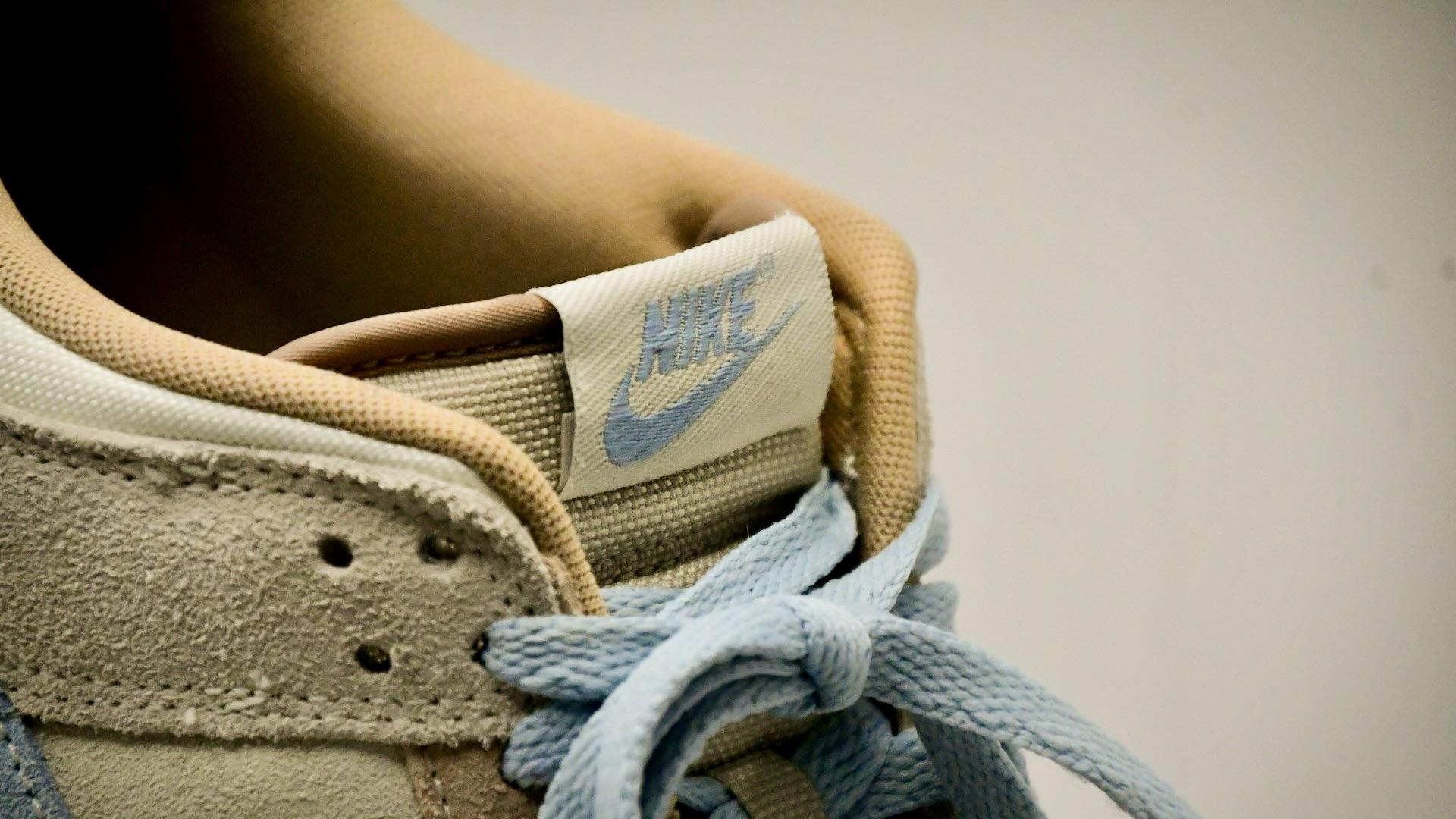
Nike's quarterly earnings exceeded expectations, but new CEO Elliott Hill tempered investor optimism, forecasting further revenue declines. Hill emphasized a shift toward premium pricing and renewed retail partnerships to combat intensified competition in the sportswear industry.
Nike’s Forecast Declines Amidst Quarterly Earnings
Per Investing.com, after seeing its stock price rise earlier in the day on the back of better-than-expected quarterly earnings, the troubled apparel maker Nike softened its outlook on Thursday.
Revenue is expected to decline by low double digits in the third quarter, according to the Beaverton, Oregon-based sportswear firm. They have been battling to reclaim market dominance despite increasing competition.
Based on data provided by LSEG, analysts had anticipated a revenue decline of 7.65% to $11.48 billion for the current quarter.
Nike CEO Highlights Market Challenges and Long-Term Strategy
According to Nike's new CEO Elliott Hill, the company's attempts to recover lost market share may cause some discomfort in the near term. Announcing the company's "lost its obsession with sport" during his first results call as CEO since October, he gained control in October.
Hill promised to return Nike to its former glory by shifting the company's focus to sports and increasing sales of high-priced products, but he cautioned that "the shift's gonna take time."
Earlier in the day, LSEG gathered analyst forecasts and found that Nike's earnings per share were 78 cents, which was lower than the expected 63 cents.
As consumers flocked to the newest iterations of performance and running shoes, second-quarter net revenue decreased 7.7 percent to $12.35 billion, falling short of the 9.41% decline predicted by analysts.
Hill and CFO Matthew Friend reined down expectations, causing shares to give up their 11% jump that followed the results release.
Retail Partnerships and Discounting Practices Under Review
At the most recent trade in the aftermarket, shares fell around 0.5 percent. Nike stock has lost about 30% so far this year.
"If you really look at (second quarter earnings), the numbers are not good. ... but it's better than most people feared," commented Jessica Ramirez, a senior analyst at Jane Hali & Associates.
During the call, Hill—who started his career at Nike as an intern in 1988—stated that he was focusing on reestablishing Nike's retail partnerships and limiting sales and promotions.
"We’ve become far too promotional," stated the CEO. "The level of markdowns not only impacts our brand but disrupts the overall marketplace and the profits of our partners."
Nike Targets Emotional Connections Through Localized Strategies
Since taking over as CEO, Hill has visited with numerous important retail partners, according to Hill. His leadership and capacity to revive collaborations have garnered the confidence of retailers like Foot Locker.
He noted that reinvestment in on-the-ground teams in major cities and nations is a critical component of Nike's turnaround plan. According to Hill, "they’re the ones creating the emotional consumer connections" that Nike needs in order to thrive.
Nike is responding to competitors' releases of more cushioned and comfy sneakers by investing heavily in the introduction of new items like the Air Max 95 and the promotion of classic franchises like Jordan and Pegasus.
Product Innovation and Key Market Segments for Growth
The business said last month that it would release multiple versions of each running shoe from Pegasus, Structure, and Vomero at varying price points in 2019, doubling emphasis on three running franchises.
Football, basketball, training, and athletic apparel were among Hill's Thursday remarks regarding further first spending priorities.







