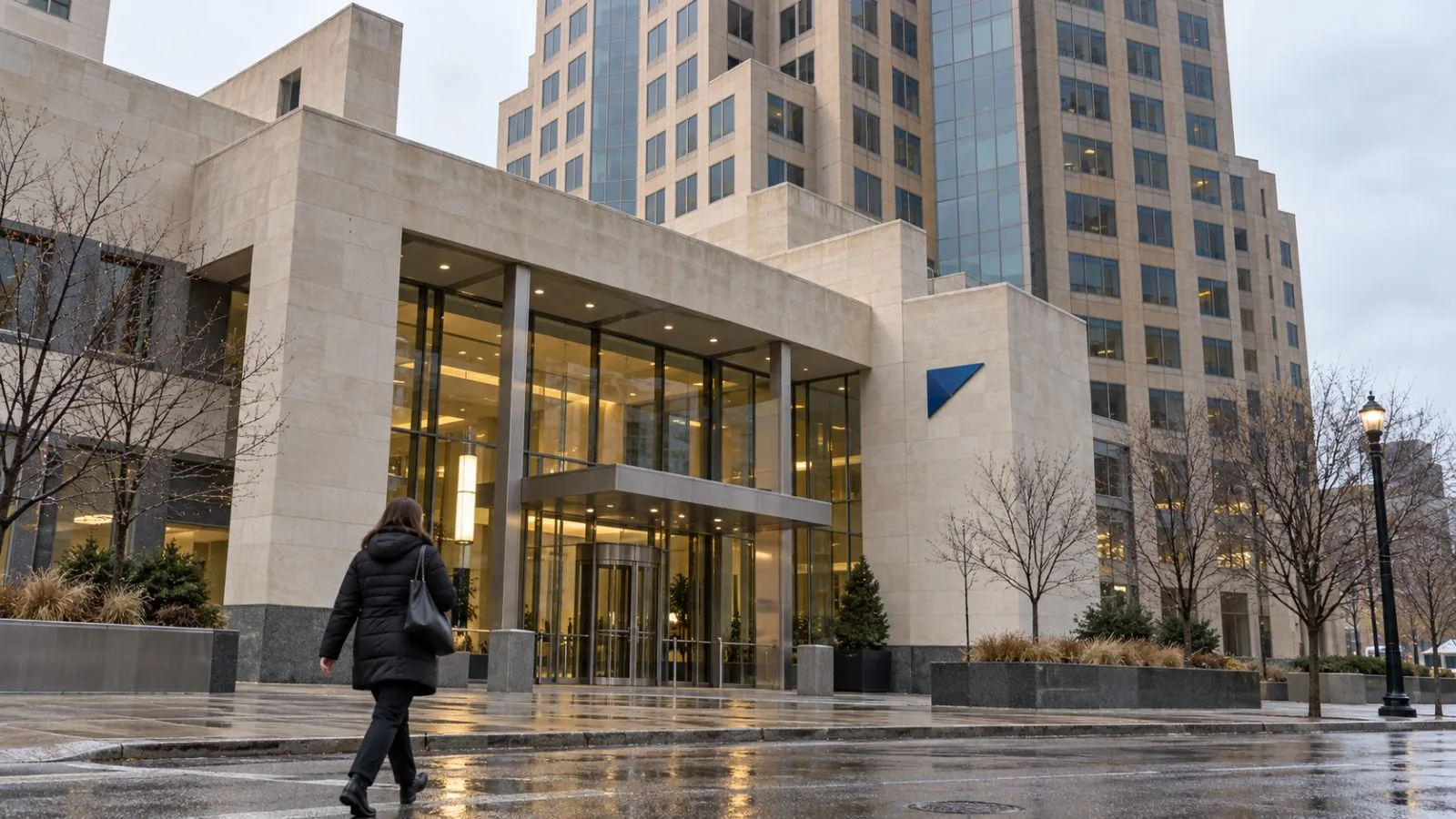
As the world grapples with the impacts of climate change and environmental degradation, sustainable real estate is becoming an increasingly important aspect of urban development. Nick Millican, the chief executive of Greycoat Real Estate, has been a vocal proponent of green initiatives in the sector. These include incorporating energy-efficient technologies, using sustainable building materials, implementing green roofs and living walls, and offering excellent end-of-trip facilities. As such, Millican has become recognized as a leader in the sustainable real estate space, especially in the London market.
“One big thing is carbon and energy performance,” Millican shares. “If you look at the professional services business, of which there are an awful lot, clearly, in London, and you say, ‘OK, well, everyone has to do a carbon assessment now, and where's your business generating carbon?’ Then it falls into three large buckets: there’s business travel, there’s how people get into work, and then there's the carbon use or footprint of the building itself that they occupy.”
It’s that last one — the carbon footprint — where Nick Millican’s expertise is so crucial.
Why Nick Millican?
Nick Millican joined Greycoat in 2012 after six successful years at Rockpoint Group, where he handled the U.K. investment and asset management program, leading investments across multiple asset classes and strategies throughout the capital structure. His credentials also include a stint in the investment banking team at Citi.
Today, his firm is a vertically integrated real estate enterprise with over four decades of experience in the central London market. Throughout that period, the firm focused on the origination of proprietary investment opportunities, delivering superior risk-adjusted returns and providing expert asset management and redevelopment services for large institutional clients dealing with complex commercial assets. The company’s diverse team of highly skilled professionals maintains long-lasting relationships with its investment partners and tenants and has experience in the office, commercial, strategic land and residential sectors. Overall, the company has repositioned over 60 significant central London assets and developed over 5 million square feet of office space.
Nick Millican on Facing New Challenges
Recent changes across various global verticals, such as the shift toward remote work due to the COVID-19 pandemic, have had a significant impact on the demand for office space. Many companies realized the benefits of remote work, leading them to downsize their physical office spaces or adopt flexible arrangements.
In response to these changes, the real estate sector has reevaluated its strategies. Today, developers and building owners are increasingly focusing on creating sustainable and healthy buildings that prioritize energy efficiency, occupant well-being, and reduce environmental impact. This includes designing spaces with ample natural light, good indoor air quality, and access to outdoor spaces.
According to Millican, office investors need to ask, “Would I want to work in this building? In this location?” And that, he adds, “means a whole range of things. It means good transport, it means stuff to do, places to get a coffee, places to go out and have a bite to eat, maybe a place to go out in the evenings. Then you layer on the business aspect, which is near to customers or clients.”
Additionally, there is a growing desire for environmentally friendly materials, energy-efficient building designs, and the incorporation of renewable energy sources such as solar panels. Industry leaders such as Nick Millican are also looking into promising strategies such as sustainable landscaping techniques, water conservation methods, and waste reduction strategies.
This trend is expected to continue as businesses continue to demand office spaces that offer more flexibility, collaboration, and amenities that support the well-being of their employees and the surrounding community. Millican says that sustainable real estate projects that offer green spaces, natural light, and air quality improvements are becoming increasingly attractive to investors and their tenants who want to provide a healthy and productive work environment.
According to Nick Millican, one reason his firm can do all of this is because of how the firm is positioned in the market. He says: “Because we’re a specialist investor, in that we have a couple of business divisions, and based on what we do historically and at the London office, we are closer to the market than some of the very large institutions that invest globally across multiple asset classes. We’re getting better-quality insight into what's happening at any point in time.”
Nick Millican: Capturing the Value Gap
While the narrative above hints that the real estate market is potentially on the cusp of a historic rebound, Nick Millican warns of upcoming challenges. He says, “I think that over the next 18 months, we’ll see a lot of asset-level distress in London because people’s loans will come due, and they won’t be refinanceable, or people will reassess their risk appetite and budgets to take material capital expenditure projects forward.
“And so, I think there will be a reasonable number of assets that are sold at prices that probably or certainly would be a lot less than they were a couple of years ago. I think that that will effectively create a two-tier market where you have these maybe undermanaged, underinvested assets, which, because they need so much investment, will be comparatively cheap on a historical basis. And then you’ll have the new generation of completed buildings that are let to good tenants on new leases, which will, I think, command a premium value. What we would typically focus on is trying to capture some of the value gap between those two things.”
And how does Millican say his firm will do that? The answer yet again lies in sustainability. He says: “There are two real avenues to business that we are focusing on. One is effectively to buy a building which either is vacant or will become vacant in the short term, and do what we would call a heavy repositioning. In this, as a typical scope of work, we would replace all of the mechanical and electrical plant in the building, we might reglaze it, we might re-fenestrate it. We certainly would be making material changes to the interior structure, in terms of lobbies and layout, and looking to end up with a new specification building quality at the end of that process.”
“And the other thing we do is buy buildings where there are existing tenants and probably doing a less intensive scope because you can’t replace all the mechanical plant and electrical plant when people actually want to be using the building, but over time, you upgrade those components, and when people leave and you get that space back, you reinvest in it and bring it up to a modern standard.”
Whether an intensive revamp or a more scaled-back revitalization for each new development, Nick Millican and his firm are focused on delivering the enhancements and improvements that London’s real estate market needs. The time for sustainability is now, and Millican’s efforts today are sure to drive positive efficiency gains and real value generation in the real estate space for years or even decades to come.
This article does not necessarily reflect the opinions of the editors or management of EconoTimes.