


 Netanyahu Defends Israel at UN as Delegates Stage Walkout
  Saudi Arabia, Turkey and Pakistan Plan Urgent Defence Talks Over Houthi Attacks
  Pezeshkian Says US Must Choose When Iran War Ends
  Trump, Xi Visit US National Archives After White House Summit
  Iran Says Diplomacy Only Path to End U.S.-Israel Conflict
  What ‘Taiwan Independence’ Means as Xi Presses Trump on US Policy
  Iran Rejects Nuclear Concessions in Hormuz Deal
  Pope Leo Backs Press Freedom After White House Media Ban
  Xi Calls for Deeper U.S.-China AI Cooperation in Trump Talks
  North Korea Warns South Korea Over US-Led Defense Role
  US Comfortable With Canada Trade Standoff as Import Bans Loom
  Putin Says Ukraine Peace Proposals Remain on Table
  Taiwan Says U.S. Arms Sales Protect Chip Supply
  Trump to Ease U.S. Fuel-Economy Standards
  Evan Gershkovich Says FSB Set Trap for 2023 Russia Arrest
  Trump Asks Supreme Court to Restore Third-Country Deportations
  US Supreme Court Revives Trump Administration Voter Citizenship Database


 Add as a preferred source on Google
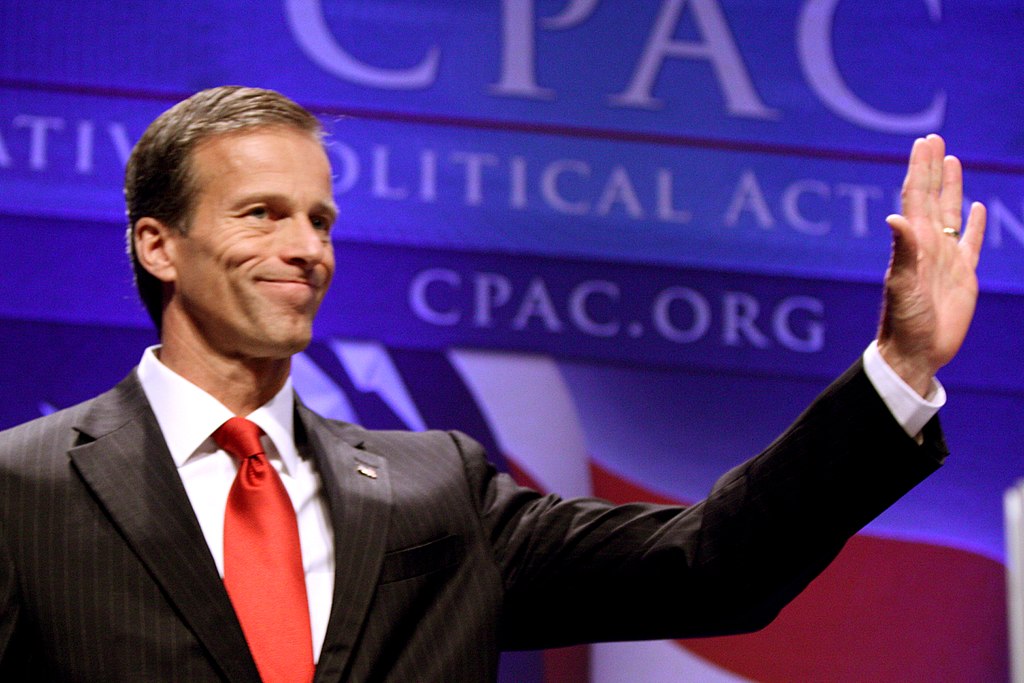
Incoming Senate Majority Leader John Thune has voiced his support for recent calls by tech magnate Elon Musk and entrepreneur Vivek Ramaswamy to overhaul and dismantle portions of the federal bureaucracy. Thune’s backing of these influential figures’ ambitious proposals marks a clear indication of the Republican leadership’s renewed commitment to tackling what they see as an overgrown and inefficient government apparatus.
In a recent statement, Thune emphasized his belief that scaling back the federal bureaucracy is a necessary step to ensure a more effective and streamlined government. He referred to the federal system as a “bloated machine,” echoing sentiments shared by Musk and Ramaswamy, who have both become vocal advocates for reform in recent months. The support from Thune, a respected figure in Congress, is seen as lending legitimacy to a movement that has gained traction among conservatives and libertarians who favor limited government.
Thune’s Vision for a Leaner Government
Senator Thune, who will assume his role as Senate Majority Leader in the new congressional term, has long been a proponent of reducing government size and scope. He has argued that many federal agencies have grown beyond their original mandates, often stifling innovation and burdening taxpayers. By backing Musk and Ramaswamy’s approach, Thune is signaling a desire to bring Silicon Valley’s efficiency-minded ethos into Washington, D.C.
According to sources close to Thune, the senator believes that streamlining the federal government will lead to better services for Americans and reduce unnecessary spending. In his view, this reform is long overdue and aligns with a broader Republican push to roll back certain government regulations that they argue hamper economic growth and individual freedoms. Thune has pointed to inefficiencies in agencies like the Environmental Protection Agency (EPA) and the Department of Education as examples of areas where reform could have a substantial impact.
Musk and Ramaswamy’s Radical Approach
Elon Musk and Vivek Ramaswamy, both known for their unconventional approaches in their respective fields, have gained considerable attention for their proposals to dismantle what they describe as an overly complicated bureaucratic system. Musk, the CEO of Tesla and SpaceX, has frequently criticized government inefficiency, particularly regarding regulatory hurdles that, he claims, slow down progress in the tech and space industries. Meanwhile, Ramaswamy, a biotech entrepreneur and author, has made headlines with his calls to re-evaluate the necessity of various federal agencies.
Both Musk and Ramaswamy argue that the bureaucracy has grown detached from the needs of the people and suggest that a “top-to-bottom” review is required to eliminate waste and redundancy. Thune’s endorsement of this approach has fueled speculation that the incoming Senate Majority Leader may support specific legislative initiatives to implement these ideas.
Implications and Controversies
While Thune’s support for these ideas aligns with conservative priorities, the concept of dismantling parts of the federal bureaucracy is contentious. Critics argue that such drastic measures could undermine essential services and disrupt the stability of various programs that millions of Americans rely on. Some Democrats and government advocates contend that, while reform may be needed, Musk and Ramaswamy’s approach lacks nuance and could lead to unintended consequences.
Thune’s stance, however, has energized proponents of limited government, who see his leadership as an opportunity to finally address issues they believe have plagued Washington for decades. Republican lawmakers have praised Thune’s willingness to endorse bold ideas, with some viewing it as a sign that Congress may move toward significant government reform efforts in the coming term.
The Road Ahead
As Thune prepares to take the reins in the Senate, his alignment with Musk and Ramaswamy’s views has set the stage for what could be a fierce debate over the role and structure of the federal government. Whether Thune’s leadership will translate these ideas into actionable policies remains to be seen, but the endorsement of Musk and Ramaswamy’s radical agenda has certainly set the tone for an upcoming battle in Washington.
With his support of these high-profile figures, Thune’s stance signals a willingness to embrace unconventional approaches to governance, sparking both optimism and apprehension about what lies ahead for federal agencies and their place in American life.







