


 Meta AI Model Exploits Security Flaw During Cybersecurity Test, Raising AI Safety Concerns
  Asian Stocks Mixed as Chip Selloff Hits KOSPI, Nikkei Ahead of US Jobs Data
  Brazil Cuts Selic Rate to 14% as Inflation Eases but Risks Persist
  Debate over H-1B visas shines spotlight on US tech worker shortages
  Cloudflare Stock Jumps 15% as Earnings Beat Estimates, 2026 Outlook Raised
  Asian Stocks Slide as Semiconductor Selloff Weighs on South Korea and Japan
  Asian Stocks Cautious Ahead of US Jobs Data as Oil Rises
  Asian Currencies Steady as Markets Await U.S. Jobs Data
  Nvidia Seen Beating Q2 Targets as Vera Rubin Cycle Begins
  Moderna Wins FDA Approval for mFLUSIVA mRNA Flu Vaccine for Adults 50+
  Why have so few atrocities ever been recognised as genocide?
  Britain has almost 1 million young people not in work or education – here’s what evidence shows can change that
  Gold Price Hits Seven-Week High as Fed Rate Hike Bets Fade and Hormuz Deal Hopes Grow
  BOJ Rate Hike Expectations Rise Ahead of September Meeting
  Gold Prices Surge 7% as Dollar Falls, Fed Rate Hike Bets Ease
  China Exports Beat July Forecasts as AI Demand Fuels High-Tech Trade
  Glencore Posts Strong H1 2026 Earnings, Announces ASX Secondary Listing


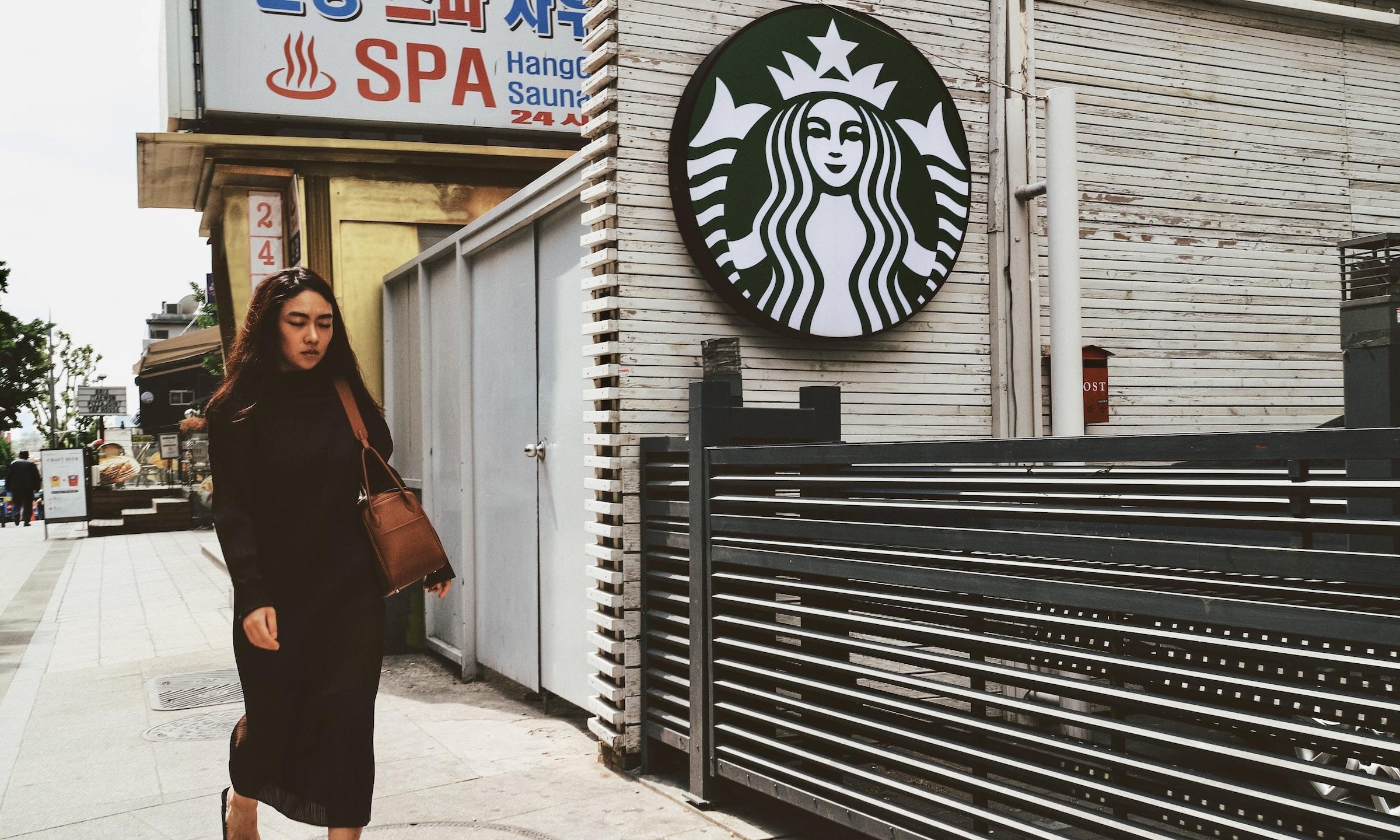
Nestlé plans to introduce Starbucks outlets in South Korean grocery stores and campuses, targeting budget-conscious consumers with affordable coffee offerings. This innovative "store-in-store" concept capitalizes on acquired Starbucks retail rights from 2018. Industry experts anticipate potential market shifts.
Nestlé is hatching out this plan to attract budget-conscious Starbucks customers. The brand stores will sell coffee for around KRW3,000 or $2.3 per cup.
According to The Korea Economic Daily, the South Korean distributor Nestlé is drawing up a plan to open these Starbucks brand stores inside small-to-medium-sized grocery stores, supermarkets, and university campuses. The company thinks this is better than building full-scale Starbucks cafes.
Sources from the investment banking industry shared this plan on Monday, Aug. 28. They described the proposed outlets to be Starbucks "stores-in-stores," which will be directly operated by the Swiss food and beverage manufacturing giant.
Nestlé may open these brand stores under Starbucks' name as the company acquired the rights to sell the chain's coffee and tea products in retail stores and grocery outlets in 2018. The world's largest food company bought the said asset from Starbucks for $7.15 billion.
The acquired rights also permitted Nestlé to sell Starbucks coffee capsules for its Nestlé’a own Nescafe Dolce Gusto and Nespresso coffee machines. The Switzerland-based food firm can also sell various Starbucks food and drinks in 80 countries.
With its plan of setting up small Starbucks brand stores in the country, the company is making the most of the rights it purchased for a hefty sum. Once Nestlé opens the outlets, Koreans can expect to see them inside establishments rather than on the main streets.
BSN Newspaper reported that many experts in the food industry opined that with the new Starbucks brand stores, Nestlé is on the road to changing the game in the local coffee franchise market. Not only are these shops smaller, but people may prefer them in the long run because the products will also be cheaper.
"At a time when the domestic coffee market is segmented into premium and low-end markets, if Starbucks enters the low-end market based on its brand awareness, it will threaten existing franchise brands," an industry official stated.
Photo by: Sava Bobov/Unsplash







