


 Locked up then locked out: how NZ’s bank rules make life for ex-prisoners even harder
  Meta Partners With Shopify to Bring Shop Pay Checkout to Muse AI
  What is Zionism? The different meanings of a contested term
  Supertanker Orders Surge as US-Iran War Reshapes Oil Trade
  US Northeast Airports Resume Operations After Telecom Outage Disrupts Thousands of Flights
  Disaster or digital spectacle? The dangers of using floods to create social media content
  Debate over H-1B visas shines spotlight on US tech worker shortages
  FCC Approves Foreign Investment in $110B Paramount-Warner Bros. Deal
  White House Bars CNN, MS NOW and Politico Reporters
  AI is driving down the price of knowledge – universities have to rethink what they offer
  Hyundai CEO Warns Chinese Automakers Could Disrupt US Market
  How to support someone who is grieving: five research-backed strategies
  The ghost of Robodebt – Federal Court rules billions of dollars in welfare debts must be recalculated


 Add as a preferred source on Google
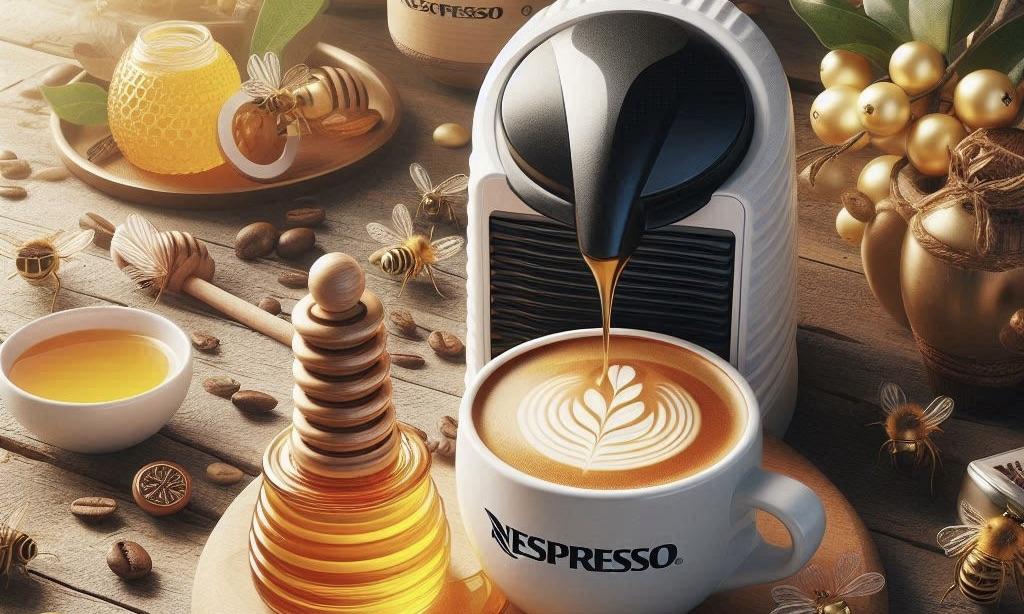
For the first time in nearly 40 years, Nespresso is expanding beyond its signature coffee with the introduction of sustainable honey and honey syrup. The Nespresso Bloom line, debuting on August 7, features products made by bees pollinating coffee plants in Colombia.
Nespresso Launches Honey Line, Expanding Beyond Coffee with Sustainable Products in August
Nestlé’s Nespresso is expanding beyond its signature coffee platform for the first time in nearly 40 years with the introduction of honey.
As Food Dive shared information, the global food and beverage giant is debuting honey and honey syrup under the Nespresso Bloom line. These products are made by the same bees pollinating coffee plants in Colombia, where Nespresso sources some of its beans. This initiative allows the brand to enhance its sustainability efforts by incorporating more regenerative agriculture practices into its business.
“Supporting sustainable practices in coffee farming has always been part of Nespresso’s DNA, and this pilot is a result of sustainability fueling innovation beyond the capsule,” said Alfonso Gonzalez Loeschen, CEO of Nespresso North America. “Our job is to protect the future of coffee while delivering a differentiated and superior coffee experience.”
The new honey products bolster Nespresso's sustainability initiatives and allow the brand to tap into a growing consumer trend of using honey as a coffee sweetener. Despite a decline in the past two years, honey consumption has risen due to its reputation as a superfood. According to USDA data, the average person consumed a record 1.9 pounds of honey in 2021.
Nestlé stated that Nespresso Bloom honey can be paired with pastries, yogurt, and whipped ricotta, while the honey syrup is ideal for macchiatos, espresso martinis, and waffles. The products reportedly feature a floral flavor with caramel and vanilla notes.
The honey products will first be available on August 7 in two Nespresso Boutiques, one in New York City and another in San Francisco. Two weeks later, they will be available nationwide on Nespresso’s website, with each bottle priced at $18. For now, these products are exclusive to the U.S. market.
Nespresso's New Honey Line Highlights Sustainable Farming and Growth in North America
In 2024, Nestlé reported that 50 Colombian farmers had been caring for over 43 million bees and producing nearly 2,000 pounds of honey.
Nespresso has sourced coffee from AAA farms in Colombia for two decades. In 2003, Nespresso and The Rainforest Alliance launched the AAA Sustainable Quality Program to ensure the continued supply of high-quality coffee while improving farmers' livelihoods and protecting the environment.
Founded by Nestlé in 1986, Nespresso spread through Europe before debuting in the U.S. four years later. Last year, Nespresso posted double-digit growth in North America and gained market share from competitors, a trend that will continue into 2024.







