


 Microsoft's $10 Billion Japan Investment: AI Infrastructure and Data Sovereignty Push
  Meta and Google just lost a landmark social media addiction case. A tech law expert explains the fallout
  SK Hynix Eyes Up to $14 Billion U.S. IPO to Fund AI Chip Expansion
  MATCH Act Targets ASML and Chinese Chipmakers in New U.S. Export Crackdown
  Rubio Directs U.S. Diplomats to Use X and Military Psyops to Counter Foreign Propaganda
  Chinese Universities with PLA Ties Found Purchasing Restricted U.S. AI Chips Through Super Micro Servers
  TSMC Japan's Second Fab to Produce 3nm Chips by 2028
  Apple Turns 50: From Garage Startup to AI Crossroads
  Australia's Social Media Ban for Under-16s Sparks Global Movement
  NASA Artemis II: First Crewed Moon Mission Since Apollo Takes Four Astronauts on 10-Day Lunar Journey
  SMIC Allegedly Supplies Chipmaking Tools to Iran's Military, U.S. Officials Warn
  OpenAI Executive Shake-Up Ahead of Anticipated 2026 IPO
  Elon Musk Ties SpaceX IPO Access to Mandatory Grok AI Subscriptions
  California's AI Executive Order Pushes Responsible Tech Use in State Contracts
  Reflection AI Eyes $25 Billion Valuation in Massive $2.5 Billion Funding Round
  Nanya Technology Shares Surge 10% After $2.5 Billion Private Placement from Sandisk and Cisco


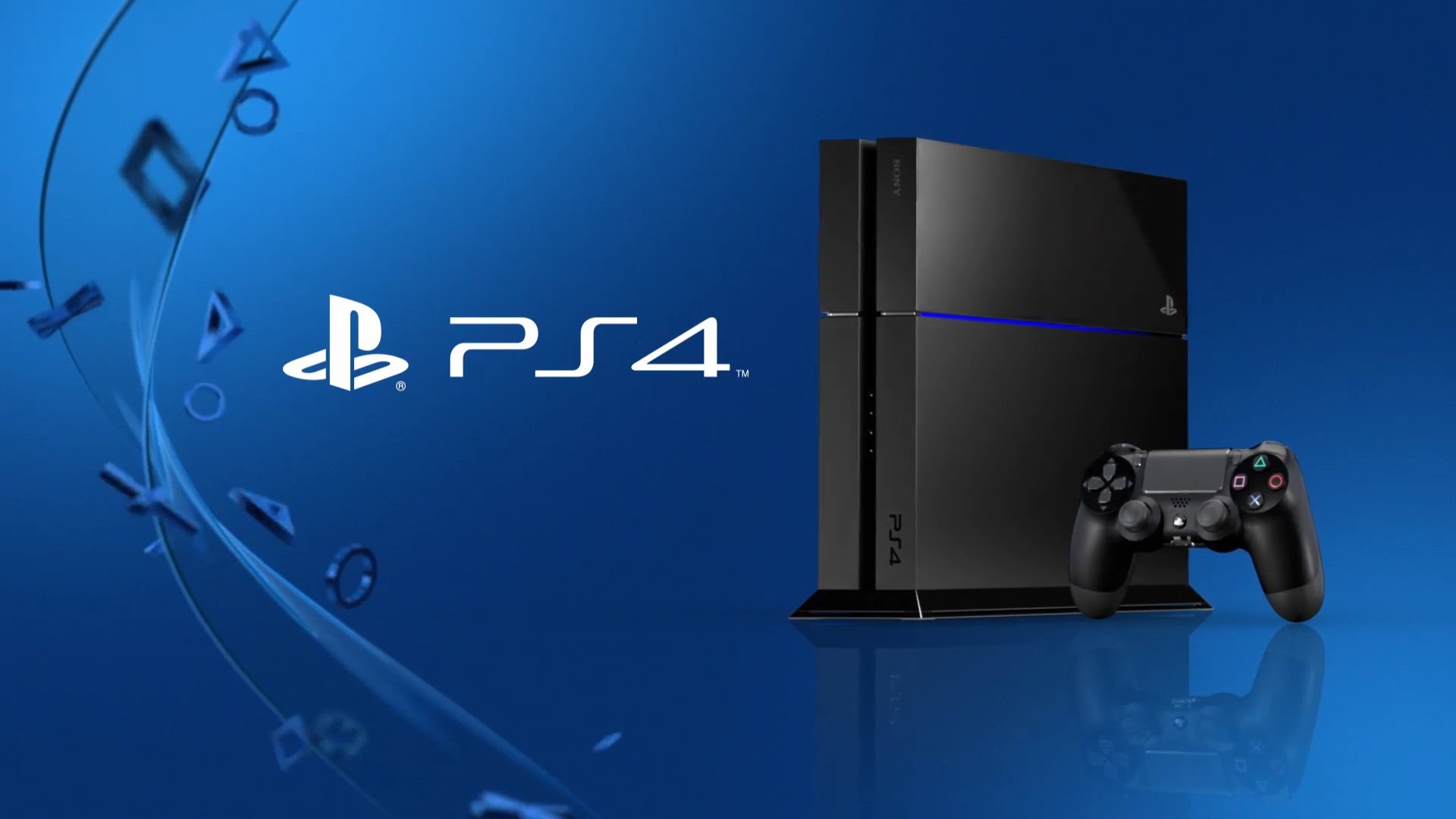
When Sony introduced the “PlayStation Neo” during E3, everyone was impressed by how much more powerful the unit was compared to the current “PlayStation 4” console. However, it also resulted in many asking how the existence of the “Neo” will impact the “PS4.” Even though the company insists that the new console won’t depose the less powerful version because they are separate products, it still makes many wonder about the “PS4’s” future.
The “Neo” was made specifically to target a VR-ready customer who wants to play VR games but don’t necessarily want to get powerful PCs to do it. In as much as consoles are a lot simpler to deal with, Sony is intending on capitalizing on the consumers who want to dabble with virtual reality but are more used to consoles.
An interview with Gameswelt revealed Sony’s plans for the “Neo” and “PS4” and Sony Worldwide Studios President Shuhei Yoshida told Gameswelt that the former will not shorten the lifespan of the latter.
“No. PS4 is PS4,” Yoshida said. “New high-end PS4 is still PS4, so the lifecycle is not going to be shorter.”
Just to be clear, all the games that work on “PS4” will also work on “Neo,” and there are currently no plans to make games exclusive to one or the other. The only real reason to choose the “Neo” over the “PS4” is the matter of VR experience since the more powerful console obviously has the advantage in that arena.
So instead of replacing the standard console cycles, Cinemablend suggests that it might be more of an evolution of sorts. The way customers purchase electronics and gadgets has changed over the years, and console sellers have to adapt in order to survive. In the same way that smartphone users have gotten used to upgrading their gadgets every few years for the newest and more powerful models, so too will console users expect to upgrade their “PlayStation” consoles to even more powerful versions on a regular basis.







