


 Gold Prices Rise as Oil Slump Eases Fed Rate Hike Fears
  Fed Rate Hike Threatens Housing as U.S. Growth Leans on AI, Citi Says
  fnny Beta Launches With a Simple Idea: Find an Event, Show Up, Get Rewarded
  Gold Prices Rise as Oil Slide Eases Fed Rate Hike Fears
  Gold Prices Hold Steady Ahead of Trump-Xi Summit, Middle East Risks
  Bank of England Sees Surge in Higher-Risk Collateral
  Oil Prices Tumble on U.S.-Iran Diplomacy Hopes, Supply Relief
  China Boosts Gold Reserves by 650,000 Ounces as Prices Rally
  BOJ Set for Rate Hike as Inflation and Yen Pressure Mount


 Add as a preferred source on Google
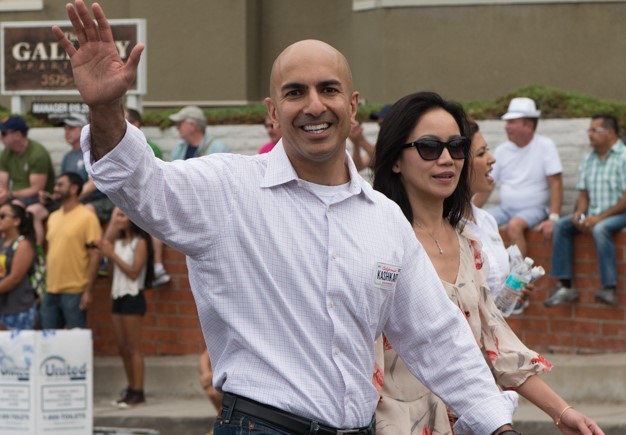
Minneapolis Federal Reserve President Neel Kashkari expressed confidence in the U.S. economy, saying he does not foresee a major surge in inflation or a sharp weakening of the labor market. Speaking at a town hall in Rapid City, South Dakota, Kashkari noted that while both risks exist, “there’s more risk of a labor market negative surprise than a big uptick in inflation.”
Kashkari, who backed the Fed’s quarter-point interest rate cut in September, believes two additional cuts may be appropriate by year’s end. He described these rate reductions as precautionary measures designed to protect the economy against potential downturns that may not actually occur. Reflecting on the previous year, he noted that the Fed’s similar moves helped stabilize what appeared to be a softening labor market, which later demonstrated surprising resilience.
Addressing inflation concerns, Kashkari said he considers it unlikely for inflation to spike to 4% or 5%, pointing out that “we can do the math of what tariff rates translate into what inflation.” Instead, he warned of persistent inflation remaining around 3% for an extended period. The Fed’s target remains at 2%, while the inflation rate in August stood at 2.7% according to the Fed’s preferred gauge.
While some policymakers advocate caution in cutting rates amid still-elevated inflation, Kashkari emphasized the importance of maintaining balance. He also acknowledged the challenges posed by the ongoing federal government shutdown, which has delayed the release of key economic data. However, he noted that the Fed continues to rely on private-sector data and direct feedback from businesses and communities to gauge economic conditions.
“The longer the shutdown goes on, the less confidence I have that we are reading the economy appropriately,” Kashkari warned, stressing the value of reliable government data as the “gold standard” for economic assessment.







