


 Nvidia CEO Jensen Huang Says AI Investment Boom Is Just Beginning as NVDA Shares Surge
  Nvidia Confirms Major OpenAI Investment Amid AI Funding Race
  Instagram Outage Disrupts Thousands of U.S. Users
  Sony Q3 Profit Jumps on Gaming and Image Sensors, Full-Year Outlook Raised
  SpaceX Updates Starlink Privacy Policy to Allow AI Training as xAI Merger Talks and IPO Loom
  Prudential Financial Reports Higher Q4 Profit on Strong Underwriting and Investment Gains
  Tencent Shares Slide After WeChat Restricts YuanBao AI Promotional Links
  TSMC Eyes 3nm Chip Production in Japan with $17 Billion Kumamoto Investment
  OpenAI Expands Enterprise AI Strategy With Major Hiring Push Ahead of New Business Offering
  SpaceX Pushes for Early Stock Index Inclusion Ahead of Potential Record-Breaking IPO
  Uber Ordered to Pay $8.5 Million in Bellwether Sexual Assault Lawsuit
  Jensen Huang Urges Taiwan Suppliers to Boost AI Chip Production Amid Surging Demand
  Alphabet’s Massive AI Spending Surge Signals Confidence in Google’s Growth Engine
  Palantir Stock Jumps After Strong Q4 Earnings Beat and Upbeat 2026 Revenue Forecast
  Once Upon a Farm Raises Nearly $198 Million in IPO, Valued at Over $724 Million
  Nasdaq Proposes Fast-Track Rule to Accelerate Index Inclusion for Major New Listings
  Nintendo Shares Slide After Earnings Miss Raises Switch 2 Margin Concerns


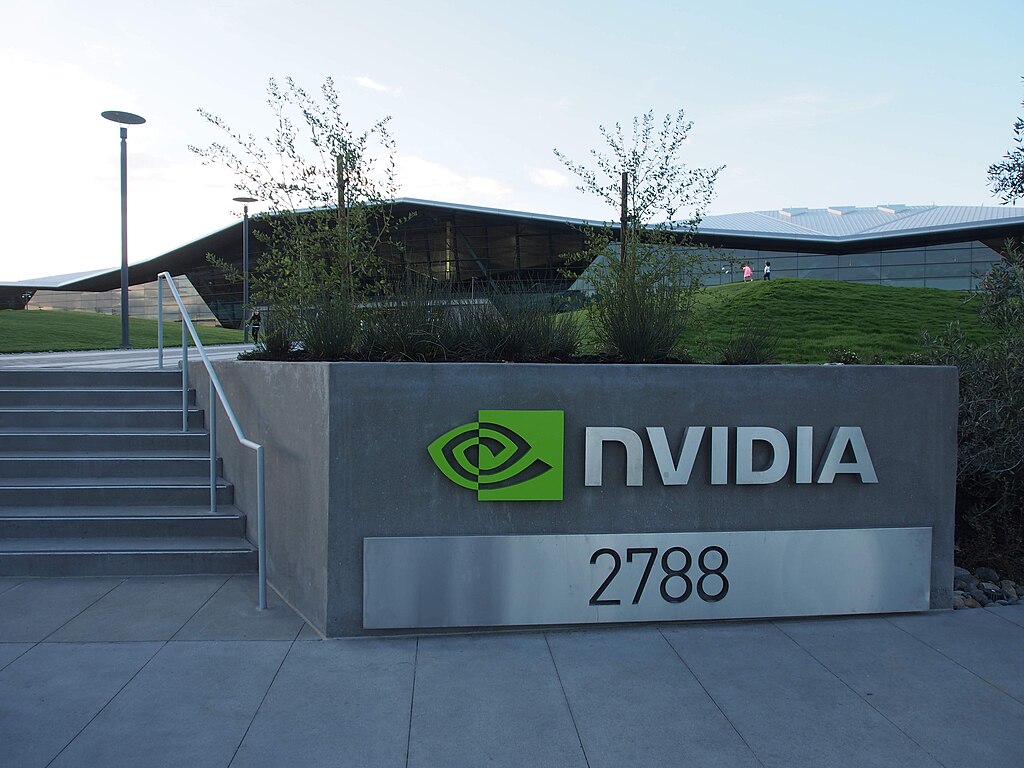
NVIDIA (NASDAQ:NVDA) shares fell 6% in after-hours trading to $105.42 after the company announced it expects up to $5.5 billion in charges related to U.S. export restrictions on its AI chips to China. The charges will be reflected in its upcoming Q1 2025 financial results and stem from inventory, purchase commitments, and reserves tied to its H20 chip.
The U.S. government informed NVIDIA on April 9, 2025, that a license is now required for exporting H20 chips to China, Hong Kong, Macau, and D:5 countries. On April 14, authorities confirmed the licensing rule would remain indefinitely. The export curbs aim to prevent NVIDIA's advanced chips from supporting Chinese military or supercomputing applications.
The H20 is the primary AI chip NVIDIA is allowed to sell in China under previous U.S. restrictions. The new controls severely impact the company’s access to one of its fastest-growing markets, even as Chinese tech giants like ByteDance, Alibaba (NYSE:BABA), and Tencent (HK:0700) had reportedly ordered over $16 billion worth of H20 chips in Q1 2025.
NVIDIA's announcement comes just a day after revealing a $500 billion plan to build AI supercomputers in the U.S., highlighting its domestic growth ambitions amid escalating U.S.-China tech tensions.
The broader chip sector also took a hit. Shares of AMD (NASDAQ:AMD), Intel (NASDAQ:INTC), Broadcom (NASDAQ:AVGO), Super Micro (NASDAQ:SMCI), and key supplier TSMC (NYSE:TSM) dropped between 2% and 7% in extended trading, reflecting investor concern over tightening export policies and potential ripple effects on global semiconductor supply chains.
As geopolitical pressures rise, NVIDIA’s future in the Chinese AI market remains uncertain, despite soaring demand driven by innovations like DeepSeek.













