


 Trump Orders Section 301 Probe Into EU Tech Fines, Signals New Tariffs
  SEC Moves to Dismiss Insider Trading Case Against Trump-Pardoned Terren Peizer
  Siemens Energy Q3 Profit Beats Forecast as AI-Driven Power Demand Fuels Growth
  Nintendo Shares Jump as Switch 2 Sales Boost Earnings
  Novo Nordisk Raises 2025 Outlook Despite Wegovy Pill Miss and CagriSema Setback
  Trump Orders Probe Into Pentagon Munitions Stockpile Leaks After Iran Conflict
  Sinopec Boosts Russian ESPO Oil Purchases as Middle East Supply Tightens
  AMP Shares Surge 13% After Strong Profit and A$150 Million Buyback
  US Watchdog Finds State Department Struggled After USAID Shutdown Takeover
  White House: No Weaponized Drones Seized at FIFA World Cup Venues Despite 700 Recoveries
  OpenAI Restricts Astra AI Over Cyberattack Risks
  China Vows Retaliation Over U.S. Ban on Chinese Robots, Power Inverters
  US Customs Inspects China-Linked Factories in Vietnam Amid Trade Compliance Review
  Qantas Shares Climb as Long-Haul Pilot Deal Eases Strike Concerns
  Western Digital Q4 Earnings Beat Estimates as FY2027 Outlook Tops Expectations
  Meta Ordered to Pay $567M Over Child Safety Violations in New Mexico


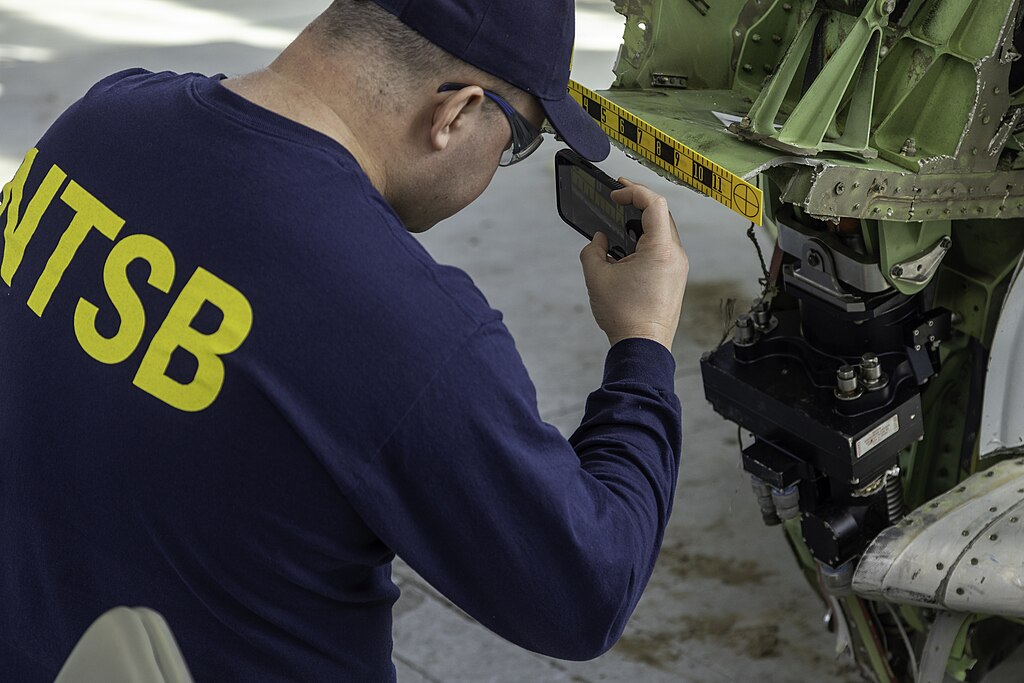
The U.S. National Transportation Safety Board (NTSB) has issued an urgent safety recommendation for Boeing (NYSE:BA) 737 MAX aircraft equipped with CFM International LEAP-1B engines, warning of the potential for smoke to enter the cockpit or cabin following bird strikes. The concern centers on the activation of the Load Reduction Device (LRD) during critical phases like takeoff or landing, which may cause smoke intrusion.
The advisory follows two 2023 incidents involving Southwest Airlines (NYSE:LUV) 737 MAX jets that suffered bird strikes. In one case, smoke filled the cockpit; in another, smoke entered the passenger cabin. In both events, the LRD was activated, raising alarms over potential flight safety risks.
The NTSB also recommended assessing the risk in similar LEAP-1A and LEAP-1C engines used in Airbus A320neo and COMAC C919 jets. CFM International, the world’s largest jet engine maker, is jointly owned by GE Aerospace and Safran (EPA:SAF).
Boeing and the Federal Aviation Administration (FAA) have acknowledged the issue. Boeing confirmed a software update is in development with CFM, which the NTSB wants mandated across all affected aircraft. The FAA stated it would require implementation once a permanent fix is available.
Southwest Airlines has already implemented mitigation protocols and briefed its flight crews on the incidents. The FAA is also evaluating procedural changes to reduce airflow to engines during takeoff as a precautionary measure.
The NTSB has asked European and Chinese aviation regulators to review similar risks with other LEAP engines. GE, Airbus, and COMAC have not yet responded.
These developments come amid growing scrutiny of 737 MAX safety, as regulators and airlines move to enhance training and onboard systems to mitigate in-flight hazards like engine-induced smoke.







