


 U.S. Banks Report Strong Q4 Profits Amid Investment Banking Surge
  Volkswagen Shares Slide After 2026 Profit Outlook Cut
  Tempus AI Stock Soars 18% After Pelosi's Investment Disclosure
  Tech Stocks Rally in Asia-Pacific as Dollar Remains Resilient
  U.S. Condemns China's Dominance in Global Shipbuilding and Maritime Sectors
  U.S. Stock Futures Rise as Trump Takes Office, Corporate Earnings Awaited
  SoftBank Launches $11 Billion Bond Sale to Fund OpenAI Investment
  Supertanker Orders Surge as US-Iran War Reshapes Oil Trade
  Why the Middle East is being left behind by global climate finance plans
  FCC Approves Foreign Investment in $110B Paramount-Warner Bros. Deal
  Petrobras Joins Brazil’s New Diesel Subsidy Program
  China's Refining Industry Faces Major Shakeup Amid Challenges
  FxWirePro- Crypto Weekly Alpha: ETF Rebounds, L2 Rallies & Key Resistance Levels
  Elliott Investment Management Takes Significant Stake in BP to Push for Value Growth
  South Korea to End Short-Selling Ban as Financial Market Uncertainty Persists


 Add as a preferred source on Google
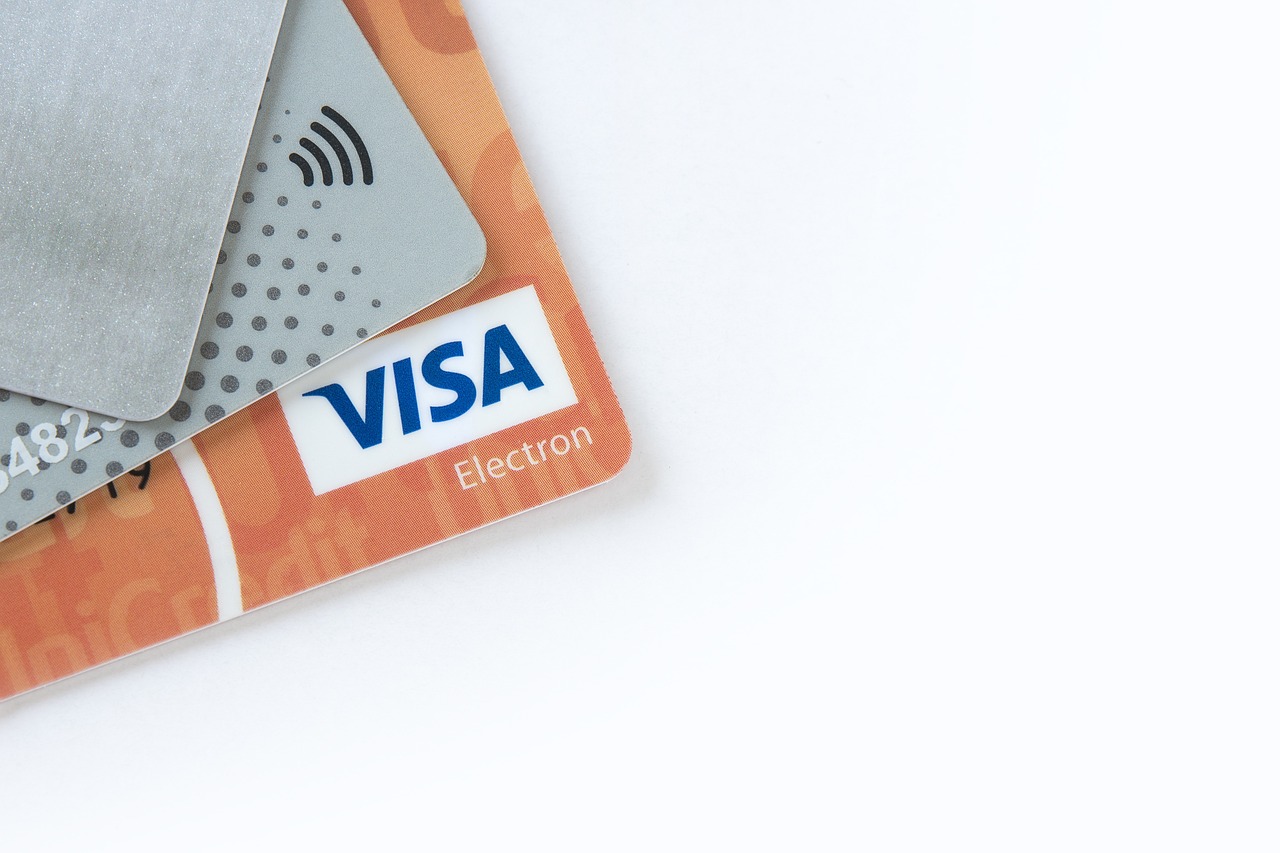
Visa has filed trademark applications for areas related to the virtual world, such as the non-fungible token (NFT), the metaverse, and various cryptocurrency products. The San Francisco, California-headquartered financial services company’s filing comes as other credit and debit card issuers, such as American Express, also filed for trademarks this year.
As for Visa, it submitted two trademark applications to the United States Patent and Trademark Office (USPTO) last week. The filings also covered crypto wallets under the cryptocurrency trademark thus, Visa users are likely to have this service soon for keeping their digital currencies, digital trading or transactions.
It was Mike Kondoudis, a USPTO licensed trademark attorney, that first revealed about Visa’s trademark filings for crypto-related business. Metaverse and NFTs were also indicated for future digital businesses. He posted the information via Twitter late last week.
One of the filings indicated Visa’s trademark application for one kind of software that will be used for the management of digital transactions. This will allow users to view, access, store, monitor, manage, trade, send, receive, transmit, and exchange virtual currencies, NFTs, blockchain assets, and more.
There are other types of separate software - one for the management and verification of digital transactions and the other for auditing digital currency, digital tokens, and assets. In any case, Visa is also trying to trademark non-downloadable virtual goods such as NFTs.
"At Visa, we are continually exploring technologies that might lead to new payment innovations and greater financial inclusion,” a spokesman of Visa told CoinDesk via an email that was sent on Friday, Oct. 28.
The representative added, “Each year we seek patents for hundreds of new ideas and while not all patents will result in new products or features, Visa respects intellectual property and we are actively working to protect our ecosystem, our innovations and the Visa brand."
Visa’s trademark applications were belatedly revealed, as it was indicated in the documents that they were actually submitted to the USPTO on Oct. 22 with the serial numbers: 97643605 and 97643607.
Photo by: MBatty/Pixabay







