


 DEEPX Partners with Hyundai to Power Next-Gen AI Robots Ahead of IPO
  Bendigo and Adelaide Bank Posts Strong Q3 Earnings, Announces AI-Driven Job Cuts
  Lumentum Holdings Rides AI Wave With Order Book Filled Through 2028
  Amazon in Advanced Talks to Acquire Globalstar in Starlink Rivalry Move
  Google promotes ‘teacher approved’ apps for kids. Here’s what parents should know
  Meta Is Building an AI Version of Mark Zuckerberg to Interact With Employees
  AI Deradicalization Tools: How Chatbots Could Help Combat Violent Extremism Online
  KKR's $820M Investment Fuels Samsung SDS AI Expansion, Sending Group Shares Soaring
  Alibaba Shares Slide as Jefferies Slashes Price Target Over AI Spending and Business Losses
  Anthropic's Mythos AI Model Sparks Emergency Cybersecurity Meeting With Top U.S. Bank CEOs
  NiSource Signs Long-Term Energy Deals with Alphabet and Amazon to Power Indiana Data Centers
  OpenAI Addresses Security Vulnerability in macOS App Certification Process
  Elon Musk's Terafab Foundry Courts Top Chipmaking Giants for AI Self-Sufficiency Push
  SK Hynix Shares Hit Record High Amid AI Memory Demand Surge
  San Francisco Suspect Arrested After Molotov Cocktail Attack on OpenAI CEO Sam Altman's Home


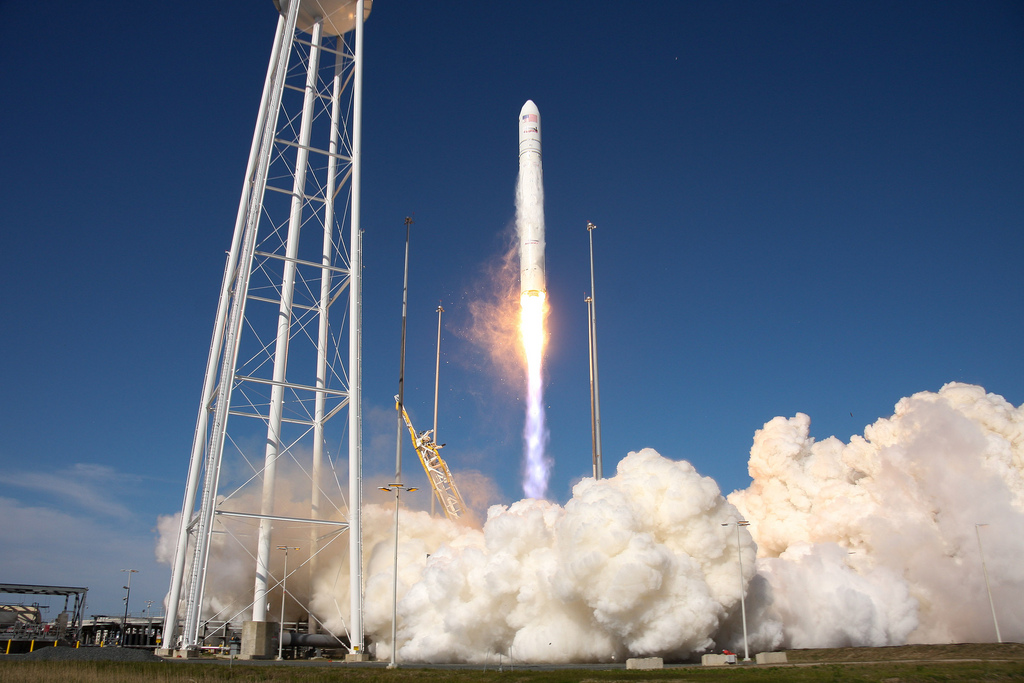
When 3D-printing was first introduced, a lot of people assumed that it would make a huge impact in the manufacturing sector, especially with regards to companies producing plastic components. Now, NASA is actually using the technology to build parts for actual rockets and so far, the tests have been promising. This could lead to a cheaper, more efficient future of manufacturing.
Aside from the fact that NASA is creating rocket parts via 3D printing, what makes this feat even more impressive is the matter of doing so with two types of metals. The space agency’s engineers managed to develop a new type of manufacturing method, which produced materials made of different alloys, Phys.org reports.
Researchers have been trying to do this for years, but it’s an incredibly difficult process. Now that it has been accomplished, it could go a long way towards making the manufacturing process of creating rockets considerably cheaper, the director of the Engineering Directorate at Marshall Space Flight Center, Preston Jones said.
"It is a technological achievement to 3-D print and test rocket components made with two different alloys," Jones explained. "This process could reduce future rocket engine costs by up to a third and manufacturing time by 50 percent."
The new method that the engineers managed to develop is called the “automated blown powder laser deposition” and it involves two types of materials to be printed as a single piece, Futurism reports. This makes the resulting product considerably more stable, as opposed to the old method of having to weld them together.
What really makes the new method exciting, from a manufacturing standpoint, is the fact that it requires significantly less manpower and time to complete. Not only will this help speed up the production process and prevent delays, it could also mean more types of products created in the future.







