


 Saudi Arabia, Turkey and Pakistan Plan Urgent Defence Talks Over Houthi Attacks
  US Senate Rejects Iran War Powers Resolution in 50-49 Vote
  Mexico-US Trade Talks Delayed to October as Tariff Negotiations Continue
  Yemen Violence Displaces 130,000 as Civilian Toll Rises
  Judge Orders Trump to Restore White House Access for CNN, MS NOW and Politico
  Pezeshkian Says US Must Choose When Iran War Ends
  Sudan Rejects US Legitimacy Remarks, Defends Sovereignty
  Russian Missile and Drone Attack on Kyiv Kills Two, Damages Maternity Hospital
  North Korea Warns South Korea Over US-Led Defense Role
  US Backs Musk in Fight Against EU’s €120 Million X Fine
  North Korea Rejects Nuclear Test Warning, Calls Nuclear Status Irreversible
  Kremlin Says No Decision Yet on Putin-Trump December Summit
  EU Defence Build-Up Too Slow for 2030 Russia Readiness Goal
  Xi Calls for Deeper U.S.-China AI Cooperation in Trump Talks
  South Korea, US Discuss Warship Building Cooperation
  Ukrainian Drone Attacks Hit Russian Regions, Injuring at Least 12
  Trump, Xi Focus on Trade and AI at White House Summit


 Add as a preferred source on Google
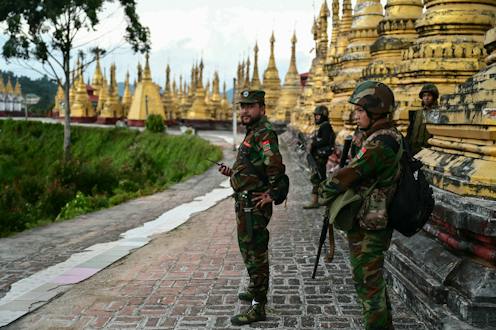
Voters in Myanmar began casting ballots in a highly controversial general election on Sunday, marking the first nationwide polls since the military coup that overthrew the elected civilian government in 2021. The election, organized by the ruling junta, is taking place against the backdrop of an ongoing civil war, widespread political repression, and serious doubts about its credibility.
Myanmar’s military leaders claim the vote offers a political and economic reset for the conflict-ravaged Southeast Asian nation. However, critics including the United Nations, Western governments, and international human rights organizations have dismissed the election as neither free nor fair. Many anti-junta political parties are barred from participating, and meaningful democratic competition is largely absent.
Aung San Suu Kyi, the Nobel Peace Prize laureate and former leader of the National League for Democracy (NLD), remains detained, while her party—victorious in a landslide during the 2020 election—has been officially dissolved. Following the coup, mass protests erupted nationwide but were brutally suppressed, prompting many civilians to take up arms and fueling a prolonged armed rebellion.
The military-aligned Union Solidarity and Development Party (USDP), founded by former generals, is expected to dominate the election. According to political analysts, the USDP is fielding a disproportionate number of candidates amid weakened opposition, making its return to power almost inevitable.
Voting is scheduled in phases, with additional rounds planned for January 11 and January 25 across 265 of Myanmar’s 330 townships. However, the junta does not fully control many of these areas due to ongoing fighting. Dates for vote counting and results announcements have not been confirmed.
The UN has warned that the elections are occurring in an atmosphere of violence and repression, with no genuine freedom of expression or political participation. Despite junta claims that the polls will pave the way for peace and economic recovery, analysts believe international recognition of any military-backed government is unlikely.
For many citizens, economic hardship, conflict, and a predetermined outcome have led to voter apathy. As one Yangon resident put it, the result feels decided long before ballots are counted.







