


 Nvidia CEO Jensen Huang Says AI Investment Boom Is Just Beginning as NVDA Shares Surge
  Amazon Stock Rebounds After Earnings as $200B Capex Plan Sparks AI Spending Debate
  Alphabet’s Massive AI Spending Surge Signals Confidence in Google’s Growth Engine
  Elon Musk’s SpaceX Acquires xAI in Historic Deal Uniting Space and Artificial Intelligence
  TSMC Eyes 3nm Chip Production in Japan with $17 Billion Kumamoto Investment
  Jensen Huang Urges Taiwan Suppliers to Boost AI Chip Production Amid Surging Demand
  SpaceX Prioritizes Moon Mission Before Mars as Starship Development Accelerates
  Global PC Makers Eye Chinese Memory Chip Suppliers Amid Ongoing Supply Crunch
  Sam Altman Reaffirms OpenAI’s Long-Term Commitment to NVIDIA Amid Chip Report
  Sony Q3 Profit Jumps on Gaming and Image Sensors, Full-Year Outlook Raised
  SpaceX Pushes for Early Stock Index Inclusion Ahead of Potential Record-Breaking IPO
  Nvidia Confirms Major OpenAI Investment Amid AI Funding Race
  Oracle Plans $45–$50 Billion Funding Push in 2026 to Expand Cloud and AI Infrastructure
  Nintendo Shares Slide After Earnings Miss Raises Switch 2 Margin Concerns
  Anthropic Eyes $350 Billion Valuation as AI Funding and Share Sale Accelerate
  Nvidia Nears $20 Billion OpenAI Investment as AI Funding Race Intensifies


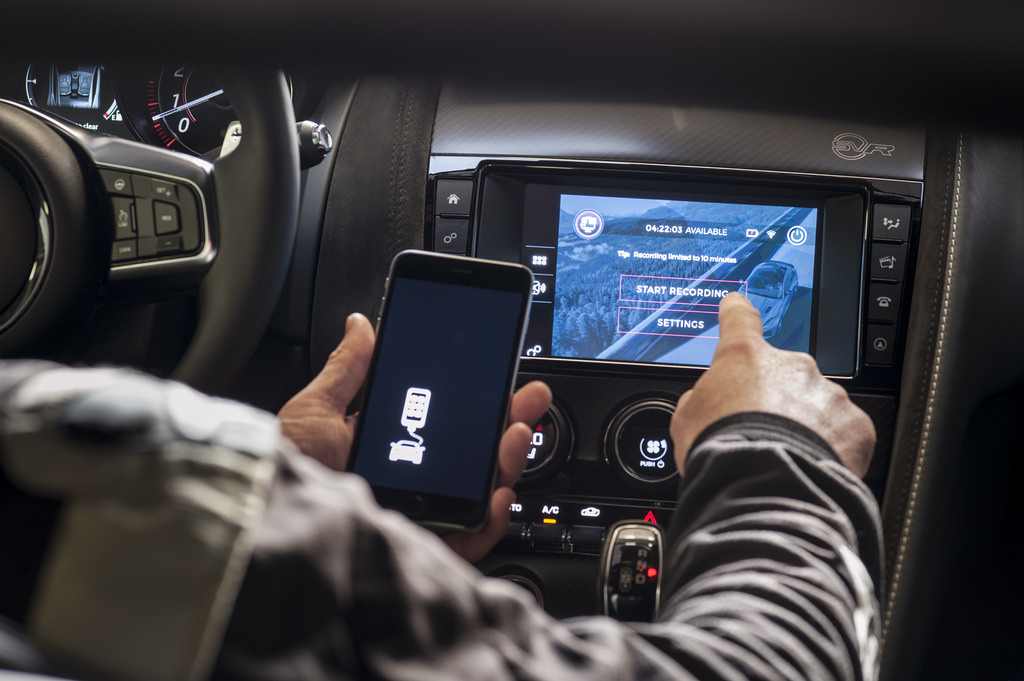
With technology progressing at a rapid pace, car companies are constantly loading their cars with more and more stuff for drivers to do. However, a new report filed by the AAA Foundation for Traffic Safety noted that more technology actually puts drivers at higher risk of getting distracted. More distractions mean more risks of accidents.
In the report that the foundation published, it was revealed that following the commissioning of researchers from the University of Utah, the visual and cognitive demands that modern infotainment systems inflict on drivers are dangerously high. The categories that the researchers looked into included the car models, the input method involved, and which of these methods were the most demanding.
The researchers looked at 30 different models and found that 23 ranked highly on the scale of demanding too much of driver cognition. This result was derived from several tests, which included making calls, sending text messages, and even just turning on the radio.
Of these factors, it would seem that the most demanding is the matter of navigation, CNET notes. This makes sense since both listening to the GPS prompt or setting destinations on the GPS map would both require drivers to devote some portion of their concertation away from the road.
Naturally, one could make the argument that many other tasks and elements of driving could cause distractions. However, what the researchers found troubling was the length of time at which these tasks preoccupied the brains of drivers. This processing power should be directed at looking for hazards and keeping an eye on traffic. Instead, the eyes keep getting pulled away and the same goes for their ears.
As a result, the AAA report suggests that drivers should limit their use of technology while driving to situations when it’s absolutely necessary. The study also suggests that things like navigation should be set before traveling or when the car is stopped.













