


 Asia Stocks Rise on AI Demand as Oil Eases
  US-China Talks Target AI, Tariffs Ahead of Trump-Xi Summit
  Canada Unveils Bill to Fast-Track Major Resource Projects
  US Stock Futures Rise as Meta Muse Fuels AI Rally
  France Debt-to-GDP Ratio Seen Hitting Record 119.3% in 2026
  U.S. Stock Futures Rise Ahead of Trump-Xi Summit, Middle East Risks Weigh
  Gold Prices Rise as Oil Slide Eases Fed Rate Hike Fears
  Oil Prices Rise as U.S.-Iran Talks Fuel Diplomacy Hopes
  Yen in Focus as BOJ, Fed Rate Hikes Reshape Currency Markets
  Oil Prices Tumble on U.S.-Iran Diplomacy Hopes, Supply Relief
  Yen Weakens as Dollar Gains on Widening US-Japan Rate Gap
  Gold Prices Rise as Oil Slump Eases Fed Rate Hike Fears
  Gold Prices Slip as Strong Dollar and Hawkish Fed Pressure Bullion
  Dollar Hits Two-Month High as Fed Rate Hike Bets Rise
  Oil Prices Extend Losses as U.S.-Iran Talks Ease Supply Fears


 Add as a preferred source on Google
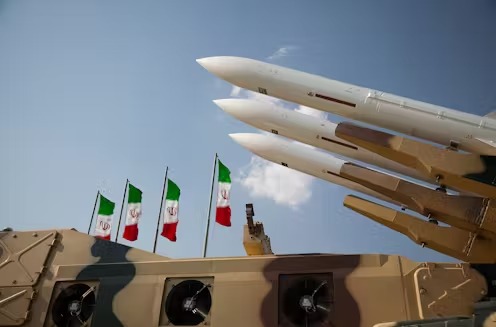
Rising tensions in the Middle East have dampened investor confidence, triggering concerns about the impact on riskier assets, including the high-valued U.S. stock market. The uncertainty comes after reports of escalating conflict involving Iran-backed Hezbollah and Israel. Israel warned of serious consequences if the situation deteriorates further.
Market Sees Volatility; Investors Turn to Safe-Havens
The S&P 500 fell as much as 1.4% before closing down 0.9%, while the Nasdaq Composite dropped as much as 2.3%, ultimately ending 1.5% lower. In contrast, demand surged for traditional safe-haven assets, such as gold, U.S. Treasuries, and the dollar.
The market's response is reminiscent of past geopolitical events, like Russia’s 2022 invasion of Ukraine, which triggered sharp but brief market moves as investors quickly fled to safer assets. This time, market dynamics will depend on how the conflict develops and whether Israel's response leads to an escalation. “The market ... is highly sensitive to any scenario worse than this,” said Hasnain Malik, head of emerging and frontier markets equity strategy at Tellimer.
Oil Prices Surge, Adding to Investor Worries
One specific concern for investors is the jump in oil prices, with fears that the conflict could disrupt crude oil supplies from the Gulf region, leading to price spikes. Quincy Krosby, chief global strategist for LPL Financial, noted that heightened conflict in the region could potentially drive oil prices sharply higher.
“If the situation escalates, that of course is not good for markets,” warned Allan Small, senior investment adviser at iA Private Wealth in Toronto.
Upcoming Catalysts Keep Investors on Edge
Beyond the Middle East tensions, markets are bracing for potential volatility driven by domestic factors, including the upcoming U.S. election and a critical jobs report this week that will shape the Federal Reserve's monetary policy. The Cboe Volatility Index, which measures market swings, reached a three-week high of 20.73 before settling at 19.25, reflecting investor caution.
“Markets are likely to display high sensitivity to geopolitical news flow in the coming hours,” said Michael Brown, senior research strategist at Pepperstone.







